
How Advanced Sports Turf Systems Perform in North Texas Heat and High-Impact Use
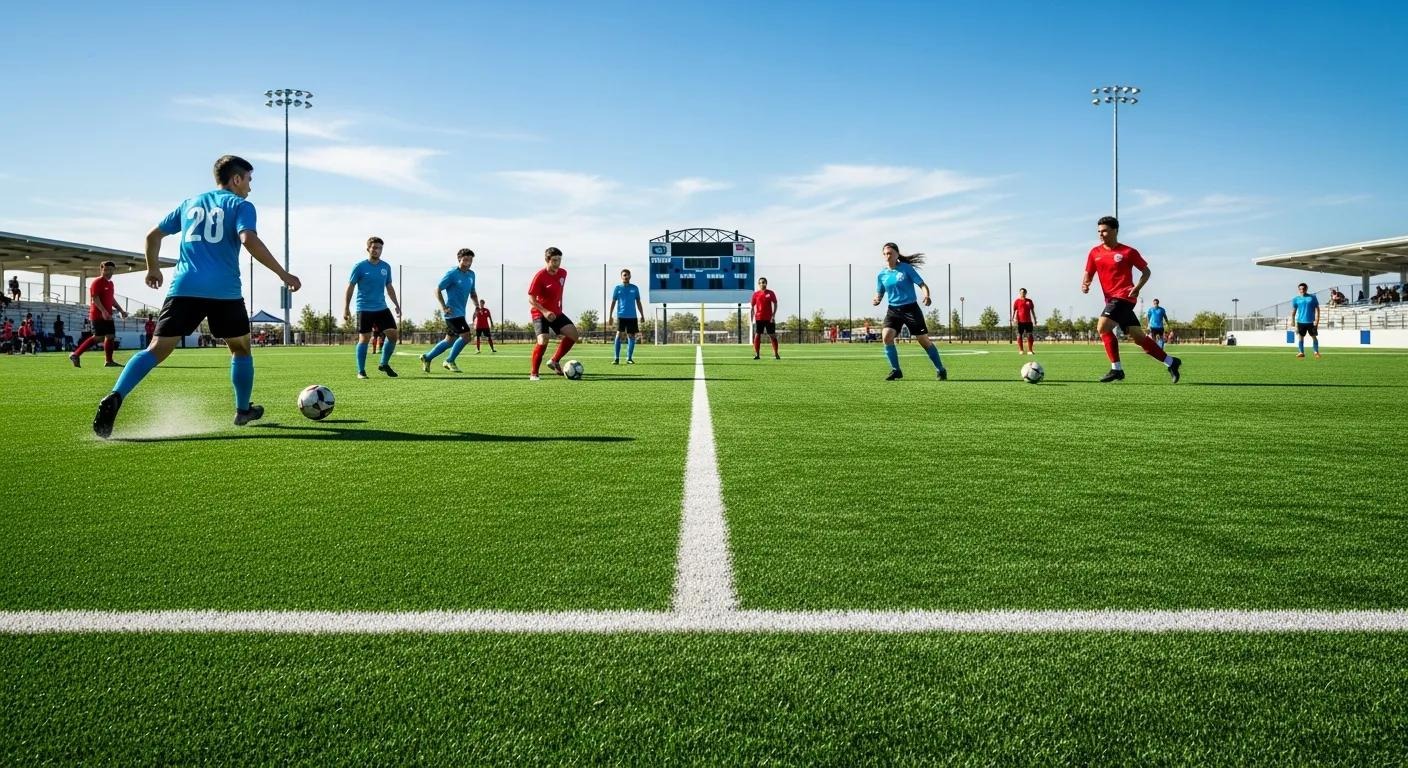
North Texas summers create conditions that accelerate wear on sports fields. Advanced turf systems address those risks with engineered materials and installation methods that prioritize player safety and long-term performance. This article outlines the climate challenges, available heat-resistant technologies, and practical maintenance approaches. The goal is to help sports organizations choose and manage sports turf systems that deliver reliable performance over time.
What Challenges Does North Texas Heat Present to Sports Turf Systems?
Intense summer heat stresses turf materials, accelerating color loss and fiber breakdown. Surface temperatures on artificial turf can rise to uncomfortable and unsafe levels for athletes. Heat also increases maintenance needs by accelerating wear and tear, leading to more frequent repairs. Recognizing these challenges is the first step to selecting a system built for regional conditions.
How Does Extreme Heat Affect Artificial Turf Durability and Safety?
Prolonged high temperatures degrade polymers in fibers, backing, and some infill types. That degradation reduces shock absorption and shortens service life. Higher surface temperatures also elevate the risk of heat-related injuries. Selecting systems engineered for thermal stability preserves structural integrity and maintains safety standards.
What Are the Unique High-Impact Use Conditions in Dallas-Fort Worth Sports Fields?
Dallas–Fort Worth features heavy sun, high UV exposure, periodic heavy rain, and intense foot traffic. UV and sunlight speed material breakdown, while poor drainage risks waterlogging and accelerated wear. High usage further stresses fibers and infill. Systems must address heat resistance, UV stability, and effective drainage to perform under these pressures.
Which Heat Resistance Technologies Enhance Artificial Turf Performance in Hot Climates?

Manufacturers offer several targeted technologies to reduce surface temperature and material degradation. These options help maintain playability and extend service life in hot climates.
- UV-Stabilized Fibers: These fibers are treated to resist UV-induced degradation, ensuring the turf maintains its color and integrity over time.
- Cooling Technologies: Some turf systems incorporate cooling infill materials that help lower surface temperatures, making the playing field more comfortable for athletes.
- Heat-Reducing Infill: Advanced infill materials can reflect sunlight and reduce heat absorption, helping keep the playing surface cooler.
These engineered components reduce heat retention and slow material breakdown, preserving performance and safety in intense conditions.
Independent research supports the temperature benefits of cool-climate turf products, reinforcing their role in hot environments.
Synthetic Turf Temperature Reduction for Hot Climates
The study reported lower surface temperatures on cool-climate products, supporting the sustained use of synthetic turf in hot regions.
Comparison of surface temperatures of different synthetic turf systems and natural grass: Have advances in synthetic turf technology made a difference, LA Petrass, 2015
What UV Protection Features Are Incorporated in Advanced Sports Turf Fibers?
Advanced fibers incorporate UV stabilizers, consistent pigments, and robust backing systems. These elements slow photo-degradation and preserve both appearance and mechanical properties under prolonged sun exposure.
- UV Stabilizers: These additives help prevent fiber degradation caused by sun exposure, maintaining the turf’s appearance and performance.
- Consistent Pigmentation: High-quality pigments are used to ensure that the turf’s color remains vibrant and does not fade over time.
- Durable Backing Systems: The turf backing is engineered to withstand UV exposure, ensuring it remains intact and functional throughout its lifespan.
Together, these features help turf retain functionality and visual quality in sunny climates.
How Do Turf Fiber Types and Construction Improve Heat Tolerance?
Fiber composition, construction, and base design drive thermal performance. UV-stabilized fibers resist breakdown, and a well-prepared base improves drainage and reduces heat retention. Choosing lighter-colored or specialized infill further reduces heat absorption. Optimizing these elements improves on-field comfort and system longevity.
How Is Durability Measured and Ensured in High-Impact Sports Turf Systems?
Durability is validated through standards, material selection, and maintenance protocols. Meeting recognised test criteria, using high-quality components, and following scheduled upkeep all contribute to consistent, long-term performance.
- ASTM Compliance: Adhering to ASTM standards ensures the turf meets specific performance criteria for durability and safety.
- Material Selection: Choosing high-quality materials that withstand heavy use is essential for long-lasting turf.
- Regular Maintenance Practices: Implementing a routine maintenance schedule helps identify and address wear and tear before it becomes a significant issue.
Combined, these measures preserve safety and extend the expected service life of sports turf.
What Testing Standards Validate Turf Longevity Under Heavy Use?
Standards such as ASTM F1292 assess impact attenuation and help predict how the turf will perform under repeated loading. Material degradation tests further indicate expected lifespan and inform product choices that meet durability targets.
Research confirms that the structural design—fiber height, infill, sub-base, and elastic layers—affects impact attenuation and player safety.
Artificial Turf Components for Impact Attenuation & Injury Protection
The study concludes that structural components (fiber height, infill, sub-base, and elastic layer) determine mechanical properties, and that greater force reduction reduces impact on players, which may help prevent injuries compared to harder surfaces.
Influence of the structural components of artificial turf systems on impact attenuation in amateur football players, J Sánchez-Sánchez, 2019
How Do Installation Methods Influence Turf Durability and Performance?
Proper installation is a primary determinant of field longevity. Precise base preparation, correct infill application, and accurate seaming reduce stress points and improve drainage. Following best-practice installation protocols ensures the system performs as intended.
What Maintenance Practices Maximize Synthetic Grass Longevity in Dallas Heat?

Routine maintenance preserves cushion, fiber resilience, and appearance. Key tasks include debris removal, brushing to restore fiber uprightness, and infill checks to maintain shock absorption and stability.
- Regular Cleaning Frequency: Keeping the turf clean helps prevent debris and contaminants from building up, which can degrade the material.
- Brushing Techniques: Regular brushing helps maintain the fibers’ upright position, ensuring optimal performance and appearance.
- Infill Maintenance: Checking and replenishing infill materials is crucial to maintaining the turf’s cushioning and stability.
Consistent upkeep mitigates accelerated wear caused by heat and heavy use, extending the field’s service life.
How Often Should Synthetic Turf Be Maintained to Prevent Heat Damage?
Regular, scheduled maintenance limits heat-related deterioration. Monthly cleaning, periodic brushing, and routine infill checks form a practical baseline for most installations.
- Regular Cleaning and Brushing: Clean at least once a month, and brush every few weeks to keep the fibers upright.
- Infill Checks: Infill levels should be monitored and adjusted as needed to ensure proper cushioning and support.
- Professional Inspections: Scheduling professional inspections at least twice a year can help identify potential issues before they become significant problems.
Adhering to these routines reduces the likelihood of heat damage and keeps performance consistent.
What Are Best Practices for Cleaning and Caring for Heat-Resistant Turf?
Effective care combines simple, regular actions with seasonal attention. Remove debris, rinse dust, and address pet waste promptly. Carry out deeper cleanings ahead of and after high-use periods.
- Routine Cleaning Methods: Use a leaf blower or vacuum to remove debris, then rinse the turf with water to remove dust and dirt.
- Pet Turf Care Considerations: For pet-friendly turf, ensure waste is promptly removed and cleaned to prevent odors and staining.
- Seasonal Maintenance Tasks: Conduct thorough cleanings before and after peak usage seasons to prepare the turf for heavy use.
These steps preserve turf integrity and visual quality, keeping the surface safe and fit for play.
How Does Expert Installation Enhance the Heat Resistance and Durability of Sports Turf?
Expert installation ensures product selection and construction match local climate demands. Skilled teams apply correct base preparation, drainage strategies, and cooling options where appropriate. That attention to detail reduces risk and increases service life.
What Customized Solutions Does Synthetic Grass DFW Offer for North Texas Conditions?
Synthetic Grass DFW provides tailored solutions for North Texas conditions. Their approach combines material choices and installation techniques designed to manage heat, UV and drainage challenges.
- Material Selection for Local Climate: Choosing turf materials that are engineered to withstand high temperatures and UV exposure.
- Cooling Solutions Offered: Implementing cooling technologies that help reduce surface temperatures, making the turf more comfortable for athletes.
- Installation Techniques Tailored to Conditions: Utilizing installation methods that account for local weather patterns and soil conditions to enhance durability.
These tailored measures help ensure fields remain reliable, safe, and cost-effective in the region’s demanding environment.
How Does Professional Installation Mitigate Heat and Impact Risks?
Professionals select heat-resistant materials and build bases that promote drainage and reduce thermal retention. Proper installation lowers impact risks and supports consistent performance under heavy use.
What Are the Long-Term Benefits and ROI of Investing in Advanced Sports Turf Systems?
Advanced turf systems deliver durable performance, lower ongoing maintenance, and reduced water use. Those outcomes translate into a predictable operating budget and a stronger long-term return on investment for facilities.
- Durability and Longevity: High-quality turf systems can last many years, reducing the need for frequent replacements.
- Maintenance Cost Savings: Advanced turf systems often require less maintenance, resulting in lower overall costs.
- Water Conservation Benefits: Synthetic turf eliminates the need for irrigation, resulting in significant water savings.
When you weigh upfront cost against multi-year savings and reduced downtime, high-quality turf is a strategic facility investment.
How Does Heat-Resistant Turf Reduce Maintenance Costs Over Time?
Heat-resistant systems resist UV and thermal damage, which reduces repair frequency and material replacement. That lowers labor and parts costs over the asset’s life.
- Durability Against Heat and UV Exposure: These systems are designed to withstand harsh conditions, minimizing wear and tear.
- Minimal Maintenance Requirements: With advanced materials, the need for frequent repairs and maintenance is reduced.
- Water Conservation Impact: Eliminating the need for irrigation not only saves water but also reduces associated costs.
Investing in heat-resistant turf reduces the total cost of ownership while maintaining consistent field availability.
What Warranty and Support Services Ensure Customer Confidence?
Warranties, professional installation, and maintenance plans combine to protect your investment. Clear warranty terms and ongoing service options reduce operational risk and provide predictable support.
- Warranty Coverage Details: Comprehensive warranties covering material defects and performance issues provide peace of mind.
- Importance of Professional Installation: Ensuring that qualified professionals perform installation can prevent many common issues.
- Ongoing Maintenance Plans: Offering maintenance plans helps customers keep their turf in optimal condition, extending its lifespan.
These service elements strengthen trust and help ensure the turf performs to expectations over time.
What Do Local Case Studies Reveal About Turf Performance in North Texas Heat?
Local case studies reveal real-world metrics on performance, durability, and user satisfaction. They help validate material choices and installation methods for the region.
- Performance Metrics from Local Installations: Data on how different turf systems have fared in similar conditions can guide future decisions.
- Client Feedback on Durability: Testimonials from local organizations can shed light on the real-world performance of turf systems.
- Comparative Analysis of Turf Systems: Evaluating various systems helps identify which options offer the best performance and value.
These insights provide evidence-based guidance for planning turf investments.
How Have Sports Fields Maintained Quality Under High-Impact Use?
Fields that retain quality combine robust product selection, correct installation, and regular maintenance. That integrated approach minimizes premature wear under heavy use.
- Durability Under High-Impact Conditions: Selecting turf systems designed for heavy use ensures longevity.
- Maintenance Practices that Support Quality: Regular maintenance helps address wear and tear before it becomes a significant issue.
- Client Testimonials on Performance: User feedback highlights the effectiveness of the chosen systems in real-world scenarios.
Applied consistently, these strategies maintain field quality and player safety over time.
What Feedback Do Dallas-Fort Worth Clients Provide on Turf Durability?
Clients in the Dallas–Fort Worth area report satisfaction with durability and lower maintenance demands compared with natural grass. Many note sustained performance under local climate stresses.
- Client Satisfaction Ratings: Many clients report high satisfaction with the performance and longevity of their turf systems.
- Long-Term Performance Feedback: Clients frequently note that their turf has held up well under the region’s challenging conditions.
- Comparative Analysis with Natural Grass: Many clients prefer synthetic turf for its lower maintenance requirements and consistent performance.
That feedback supports the case for high-quality synthetic turf in demanding regional conditions.
How Can Prospective Clients Request Consultations and Free Quotes for Heat-Resistant Turf?
Requesting a consultation is straightforward. Contact the provider by phone or email, share project details, and schedule a site evaluation to receive a tailored quote.
- Contact Methods for Consultations: Clients can reach out by phone or email to initiate a consultation.
- Information Needed for Customization: Providing details about the project type, site conditions, and usage patterns helps tailor solutions.
- Process for Obtaining Quotes: Clients can expect a straightforward process to receive quotes based on their specific needs.
By facilitating easy communication, Synthetic Grass DFW ensures a smooth experience for clients seeking turf solutions.
What Information Is Needed to Customize Turf Solutions for Residential and Commercial Needs?
Provide project type, site conditions, expected usage, and budget. That information enables experts to recommend materials and installation approaches that align with performance and cost objectives.
- Project Type and Site Conditions: Understanding whether the project is residential or commercial helps tailor the solution.
- Usage Patterns and Desired Features: Information on how the turf will be used and any specific features desired can guide material selection.
- Budget Considerations: Knowing the budget enables recommendations that align with financial expectations.
Supplying these details ensures your proposal is accurate and aligned with your priorities.
How Does Synthetic Grass DFW Facilitate Easy Contact and Service Scheduling?
Synthetic Grass DFW offers phone and email contact, a streamlined scheduling process, and personalized site evaluations. These elements speed responsiveness and simplify project planning.
- Contact Methods Available: Clients can reach out by phone or email for inquiries and consultations.
- Service Scheduling Process: A streamlined process ensures clients can easily schedule installations and maintenance.
- Personalized Site Evaluations: Offering site evaluations enables customized recommendations based on specific conditions.
These procedures improve the client experience and make it easier to secure reliable turf services.
Frequently Asked Questions
What are the environmental benefits of using synthetic turf in North Texas?
Synthetic turf reduces water use by eliminating the need for irrigation. It also cuts fertilizer and pesticide use, lowering chemical runoff and related environmental impacts. For drought-prone areas, those savings are significant and support more sustainable facility operation.
How does the choice of infill material affect turf performance in hot climates?
Infill choice directly affects surface temperature and cushioning. Light-coloured or cooling infills reflect more sunlight and absorb less heat. That reduces surface temperature and improves player comfort. Selecting the right infill also maintains shock absorption and longevity.
What role does drainage play in maintaining synthetic turf in high-impact areas?
Proper drainage prevents water buildup that can stress fibers and the base. It preserves surface consistency and reduces the risk of damage from waterlogging. Well-designed drainage supports durability and keeps the field available after heavy rain.
How can turf systems be customized for specific sports and activities?
Customization covers fiber height, density, infill type, and field markings. Those choices match surface behavior to sport-specific needs, such as traction, ball roll, and impact attenuation. Working with experienced installers ensures the system meets the sport’s performance and safety requirements.
What are the signs that synthetic turf needs professional maintenance?
Look for flattened or frayed fibers, uneven or depleted infill, persistent odors or staining, and visible surface irregularities. These signs indicate it’s time for professional inspection and maintenance to restore performance and safety.
What are the long-term cost benefits of investing in advanced sports turf systems?
Advanced turf lowers ongoing maintenance costs, reduces water costs, and extends its usable life compared with poorly specified alternatives. Over time, those savings and improved field availability deliver a measurable return on investment for organizations.
Conclusion
Advanced sports turf systems combine material science, proper installation, and routine maintenance to deliver durable, heat-resistant fields in North Texas. These practices enhance athlete safety, reduce long-term costs, and protect your investment. Contact us today to explore customized turf options that meet your specific needs.