
What Type of Artificial Turf Works Best for Backyard Putting Greens?
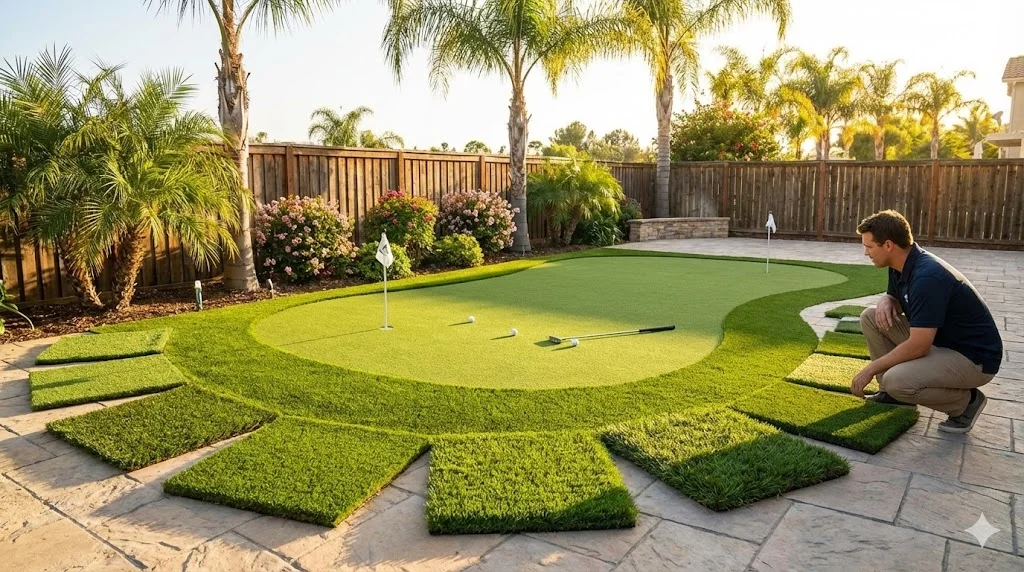
Picking the right artificial turf for a backyard putting green determines how the ball rolls, how long the surface lasts, and whether you can play all year in DFW’s weather. This guide breaks down what putting green turf is, how materials and construction affect speed and consistency, and why drainage and UV protection matter in Texas heat and seasonal storms. You’ll learn to compare polypropylene and polyethylene, how pile height, face weight, and infill change green speed, and which Stimp ranges suit casual play versus serious practice. We also walk through installation steps, custom design options, maintenance routines, and realistic cost factors so you can plan a green that fits both your practice goals and your landscape. Throughout, practical ranges and side-by-side comparisons make decisions easier and show when it’s time to ask Synthetic Grass DFW for a tailored estimate.
Which Artificial Turf Materials Are Ideal for Backyard Putting Greens?
Turf types differ by polymer, fiber resilience, and backing systems — and those differences directly affect ball roll, fiber recovery after foot or club traffic, and long-term wear. Polypropylene and polyethylene feel softer and more natural, but differ in how they stand up to repeated compaction. Your choice comes down to priorities: maximum durability and true roll for focused practice, or a realistic, comfortable feel for casual backyard greens at a lower cost. Paired with the right pile height, face weight, and infill, the right material will deliver the speed and maintenance profile you want.
The table below compares common turf polymers to help homeowners match material traits to use and budget.
| Turf Type | Durability / Feel | Cost | Best Use Case |
|---|---|---|---|
| Polypropylene | Softer, more natural feel; can mat faster | Low–Medium | Casual backyard greens where feel and price matter |
| Polyethylene | Good balance of softness and durability; strong UV resistance | Medium | Residential greens that need both aesthetics and performance |
How Does Polypropylene Turf Compare for Realistic Feel and Cost?
Polypropylene offers a softer, more natural touch at a lower price, which appeals to homeowners who value appearance and comfort over intense practice durability. Those fibers give pleasing short-game feedback and a forgiving surface for chips, but they can mat more quickly without higher face weight or specialized pile designs. Brushing and a solid base extend life, and pairing polypropylene with the right infill helps preserve loft and roll. For budget-friendly backyard greens where look and feel lead the decision, polypropylene is a sensible option if you accept some trade-offs in long-term recovery.
How Do Pile Height, Face Weight, and Infill Affect Putting Green Performance?
Pile height, face weight, and infill are the mechanical core of a putting green: together (fiber length, yarn mass per square yard, and the granular infill) they determine ball speed, surface stability, and maintenance needs. Pile height affects how the ball sits, and the surface friction; face weight correlates with durability and resistance to matting; infill stabilizes fibers and adjusts firmness and Stimp speed. Small changes in any of these affect ball roll, so installers balance them to reach target green speeds while keeping drainage and longevity in mind.
Before we get specific, this quick table links each attribute to its effect so you can see how choices change playability.
| Attribute | Effect on Ball Roll / Stability | Recommended Range / Notes |
|---|---|---|
| Pile Height | Affects friction and how the ball sits; shorter piles give truer roll | 0.4″–0.6″ for most residential putting greens; shorter for faster roll |
| Face Weight | More yarn mass increases durability and consistent roll | 40–80 oz/yd² common; higher for heavy-use greens |
| Infill Type | Supports fibers and tunes speed; denser infill slows the roll | Silica sand, coated sands, or hybrid infills at ~0.2–0.5″ depth depending on target Stimp |
What Is the Optimal Pile Height and Face Weight for True Ball Roll?
For most residential putting greens, aim for pile heights between 0.4″ and 0.6″ — a sweet spot that minimizes friction while keeping enough fiber to feel natural. Face weights of about 40–80 oz/yd² give enough yarn to resist matting and keep roll consistent; heavier face weights add durability but may slightly increase resistance, especially if combined with taller pile. The trade-off is simple: lower pile and lighter face weights for a faster surface, taller and denser constructions for more forgiveness and longevity. Ask for product specs and sample swatches or on-site mockups to confirm roll and feel before committing.Which Infill Types Enhance Stability and Ball Speed?
Infill selection is how you fine-tune speed and fiber support: silica sand gives a firm, true roll and resists movement; coated sands and polymeric infills reduce compaction and protect yarns; hybrid systems mix sand with specialty granules to balance speed and comfort. For faster practice greens, denser silica sand with minimal top dressing delivers quicker roll. For family-friendly greens, a lighter or hybrid infill keeps fiber loft and player comfort. Regular checks and occasional top-ups preserve designed speeds and prevent low spots that upset roll — part of the routine maintenance homeowners should plan for.
What Is the Role of Stimp Rating and UV Stability in Backyard Putting Greens?
Stimp rating is the standard way to express green speed — how far a ball rolls under controlled conditions — and installers tune Stimp by adjusting pile, infill, and compaction. UV stability describes yarn resistance to ultraviolet light and heat, which is critical in DFW where strong sun and high temperatures can accelerate fading and material breakdown if yarns aren’t stabilized. Together, Stimp tuning and UV protection determine whether a backyard green keeps its intended speed and look season after season.
Use this quick reference for common Stimp targets and UV/drainage priorities based on homeowner goals.
| Goal | Typical Stimp Target | UV / Drainage Priority |
|---|---|---|
| Recreational backyard play | 6–8 | Moderate UV stabilizers; standard drainage |
| Serious practice / short game | 8–10+ | High UV stabilization; enhanced drainage |
| Multi-use landscape integration | 5–8 | Balance UV protection with color/texture needs |
How Does Stimp Rating Customize Green Speed for Different Skill Levels?
Installers reach Stimp targets by tweaking pile height, infill type and depth, and surface compaction, often using rolling to fine-tune speed after installation. Recreational players usually prefer Stimp in the 6–8 range for a forgiving backyard surface; golfers wanting tournament-like practice aim for 9–10+ with tighter pile and denser infill. Maintaining your target Stimp requires regular brushing, occasional rolling, and managing infill migration. Tell your installer the Stimp you want early so material and construction choices are aligned with your skill level.
Why Is UV Protection and Proper Drainage Crucial for DFW Climates?
UV stabilizers in yarn formulas slow photodegradation that weakens fibers and causes fading — an important consideration in DFW where prolonged sun and heat speed up wear. Proper drainage — a permeable base, good grading, and effective subsurface layers — prevents ponding and keeps backing and infill from washing out during heavy rains. Using UV-stable yarns with a well-designed base reduces lifecycle risks and helps the green stay consistent year-round. Addressing these climate factors during planning and installation minimizes repairs and keeps playability steady.
Research details how UV exposure affects polyethylene turf and why stabilizers matter for long-term appearance and performance.
UV Degradation & Stability of Polyethylene Artificial Turf
Synthetic turf used outdoors is exposed to UVA and UVB, which can break polymer bonds in polyethylene, causing cracking and color change over time. Manufacturers add UV stabilizers to slow those effects, but effectiveness varies with UV type and exposure. Understanding this helps explain why UV-rated yarns and proper specification matter for long-term turf performance.
How Does Synthetic Grass DFW Ensure Expert Installation and Custom Design?
Synthetic Grass DFW follows a clear installation workflow that starts with a detailed site review and ends with a finished green tuned to homeowner goals. We assess sun exposure, drainage, and expected use to recommend polymers, pile heights, face weights, and infill strategies suited for DFW. Installations include engineered base work and finish techniques to hit the target Stimp and long-term stability. We position our service as the no-guesswork option for homeowners who want professional results — and we invite prospective clients to request a free quote so we can propose a materials and installation plan specific to each yard.
- Site Assessment and Design Review: Evaluate slope, drainage, sun/shade, and preferred hole locations.
- Material Specification and Sampling: Choose turf polymer, pile height, face weight, and infill based on intended use.
- Base Excavation and Sub-Base Construction: Install compacted aggregate and proper grading for reliable drainage.
- Turf Installation and Infill Application: Lay turf, secure seams, and apply/level infill to tune speed.
- Finishing, Rolling, and Quality Checks: Cut cup locations, roll to the target Stimp, and run drainage tests.
What Are the Steps in Our Professional Putting Green Installation Process?
A professional installation begins with careful site prep: removing existing turf or landscaping, grading for drainage, and compacting a permeable base to create a stable platform. After base prep, we add geotextile or drainage layers as needed, set the turf with precise seam alignment, and apply infill in stages until the design firmness and Stimp targets are met. Cup placement, fringe and chipping area integration, and final rolling follow, with checks on seam strength, surface evenness, and drainage flow. Each step includes inspections to confirm materials and workmanship meet performance goals for a backyard setting.
How Can Custom Shapes, Contours, and Features Enhance Your Backyard Green?
Custom shapes, contours, and features — like fringe areas, chipping zones, bunkers, and multiple hole placements — boost practice value and curb appeal while giving varied shot scenarios. Contours built into the sub-base change ball break and putt difficulty, letting you simulate greenside slopes and practice reads. Steeper contours need careful compaction and backing support to avoid turf separation, so design choices influence material and installation methods. Thoughtful feature integration balances playability, maintenance, and aesthetics to maximize both use and property value.
What Are the Benefits and Cost Considerations of Artificial Putting Greens in DFW?
Artificial putting greens provide predictable play, big water savings, and reduced routine maintenance — a practical investment for homeowners who want practice with minimal upkeep. Benefits include year-round play regardless of rain, no mowing or fertilizing, and the ability to design custom practice layouts into your landscape. Costs depend on turf material, green size and complexity, base preparation, drainage upgrades, and optional features like fringe or bunkers. These factors shape the upfront price and the long-term return on investment. Weighing initial cost against water and maintenance savings plus household enjoyment helps determine lifecycle value.
| Cost Factor | One-time / Ongoing | Value / Example |
|---|---|---|
| Turf Material | One-time | Major cost driver: Polyethylene offers a balance of durability and performance at a lower upfront cost than alternatives. |
| Base & Drainage | One-time | Essential for longevity; can be phased if budget requires |
| Maintenance | Ongoing | Low: occasional brushing, infill adjustments, debris removal |
| Water Savings | Ongoing | Substantial reduction versus natural grass; lowers utility bills |
That breakdown shows initial costs vary, but water savings and lower maintenance often offset the investment over the life of a quality installation.
If you want a tailored cost estimate and design recommendation, request a free quote from Synthetic Grass DFW. We provide site assessments and material recommendations tuned to DFW conditions and homeowner goals so proposals reflect realistic installation costs and maintenance needs. A short consultation clarifies whether a phased approach or full installation best fits your budget and performance expectations, making cost planning straightforward.
How Do Artificial Greens Save Water and Reduce Maintenance?
Artificial greens remove the need for routine irrigation, creating measurable water savings compared with natural turf — especially during hot, dry summers — because synthetic turf stays playable without watering. Maintenance shifts from mowing and fertilizing to occasional debris removal, brushing to redistribute infill, and periodic top-offs; these tasks take far less time and expense than natural grass care. Seasonal checks for drainage and minor repairs protect performance and extend life. Savings vary by green size and previous irrigation habits, but many homeowners see noticeable annual reductions in utility and maintenance costs after installation.
What Is the Typical Installation Cost and Long-Term Value?
Installation cost depends on turf material, green size, base complexity, and added features; small, simple residential greens are less expensive, while large, contoured practice greens with multiple features cost more. Key drivers are polymer choice (polypropylene vs. polyethylene), face weight and pile construction, grading and drainage work required, and custom design elements. Long-term value arrives from lower water bills, reduced maintenance, and more usable practice time, with durable systems offering predictable performance for years. Requesting a site assessment turns variables into a specific, reliable estimate for your property.
What Are Common Questions About Backyard Putting Green Turf?
Homeowners often ask which turf balances ball roll and durability, how to tune green speed for different players, and what maintenance keeps playability year-round. Clear, practical answers explain trade-offs and give steps for evaluating samples, confirming Stimp targets, and planning upkeep. Addressing these commonly asked questions helps prospective owners make informed choices and avoid mistakes like underestimating drainage needs or picking the wrong infill. Clear guidance also streamlines conversations with installers so quotes match the true scope of work.
Here are the most common homeowner concerns and the practical actions that resolve them.
- Material Choice: Pick polyethylene/polypropylene for a softer feel, depending on how you plan to use the green.
- Speed Tuning: Define your desired Stimp early so materials and infill can be selected to meet it.
- Maintenance Plan: Schedule regular brushing, debris removal, and infill checks to keep speed and appearance consistent.
What Is the Best Artificial Turf for a Putting Green?
The best turf depends on use: choose polyethylene or polypropylene for recreational greens that favor a softer feel and lower cost. Decide whether you want tournament-style Stimp speeds or a forgiving family surface — that choice guides polymer, pile height, face weight, and infill selections. Ask for swatches and an on-site mockup to confirm how the product performs in your yard before you commit. The right turf blends material science with your preferred play and budget.
How Do You Maintain an Artificial Putting Green Year-Round?
A seasonal maintenance routine keeps playability: remove debris and brush weekly to prevent buildup and restore pile; check infill distribution and seam integrity monthly; and perform an annual review of drainage and UV condition to catch issues early. Deal with spills, pet traffic, and displaced infill quickly to avoid localized problems and to preserve your target Stimp. In DFW, watch for heat-related softening and verify drainage after heavy rains to prevent pooling that can deform the surface. Regular care extends life and keeps the green ready for practice.
- Weekly: Clear leaves and debris; brush high-traffic areas to revive pile.
- Monthly: Inspect seams, measure infill levels, and redistribute where needed.
- Annually: Review drainage performance, UV condition, and make any repairs.
Frequently Asked Questions
What factors should I consider when choosing the location for my backyard putting green?
Choose a spot with good sunlight to avoid excess moisture and algae, consider drainage patterns so water won’t pool, and avoid locations directly under large trees where roots and shade cause issues. Make sure the area is accessible for maintenance and fits with your overall landscaping so the green looks intentional and functions well.
How can I customize the design of my putting green?
Customization lets you match practice needs and style. Add multiple hole placements, chipping areas, contours, fringe, and bunkers to create varied shots and a challenge. Work with an installer to translate feature ideas into buildable details — steeper contours, for example, need careful base work — so design choices support both playability and appearance.
What maintenance is required for artificial putting greens?
Maintenance is straightforward: remove debris regularly, brush to restore the pile, check and top up infill as needed, and inspect seams and drainage. Annual checks for UV wear and any settled areas catch problems early. A consistent routine keeps the green performing and reduces the chance of costly repairs.
How does the climate in DFW affect the choice of artificial turf?
DFW’s hot summers and periodic heavy rain make UV resistance and drainage priorities. Choose UV-stabilized yarns to minimize fading and weakening, and plan a permeable, well-graded base to handle storms without ponding. Accounting for climate during selection and installation preserves both looks and playability.
What are the long-term cost benefits of installing an artificial putting green?
Over time, artificial greens reduce water bills, cut routine maintenance costs, and eliminate mowing and fertilizing. Durable turf lowers repair and replacement frequency. Many homeowners find the initial investment is offset by ongoing savings plus the added value of year-round practice and improved landscaping.
Can I install an artificial putting green myself, or should I hire a professional?
DIY installations are possible for very simple projects, but professionals bring site evaluation, proper base construction, and material selection expertise that prevent common failures like poor drainage or seam issues. A professional installation typically delivers better, longer-lasting results and fewer headaches down the road.
Conclusion
Choosing the right artificial turf for your backyard putting green means balancing ball roll, durability, and DFW climate needs. Understanding materials, pile height, and infill helps you get the playability you want while keeping maintenance low. For a customized solution that fits your goals and yard, reach out for a professional consultation. Explore our services and let us help you turn your backyard into a functional, attractive practice space.


