
Artificial Grass That Looks Real: How Modern Technology Enhances Natural Appearance
By Chad Harris, Synthetic Grass DFW
Advances in artificial grass manufacturing now produce products that closely replicate the look and feel of natural lawns, offering homeowners and businesses a durable, low‑maintenance alternative. This article examines how modern technology improves the aesthetics, durability, and environmental performance of synthetic turf. It covers realistic appearance, material and blade innovations, installation best practices, and the long‑term value of choosing quality synthetic turf. For property owners seeking attractive lawns with reduced upkeep, artificial grass is a practical and lasting solution.
Experts note that artificial turf delivers a natural aesthetic while substantially reducing water use and routine maintenance.
Artificial Turf: Natural Look, Low Maintenance & Water Saving
Artificial turf creates a natural-looking surface while using minimal water, fertilizer, and routine maintenance. Often described as an artificial grass surface (sometimes called AstroTurf), synthetic turf commonly uses infill materials such as crumb rubber.
Crumb rubber infill, Synthetic turf, RN Desai
Realistic Aesthetics
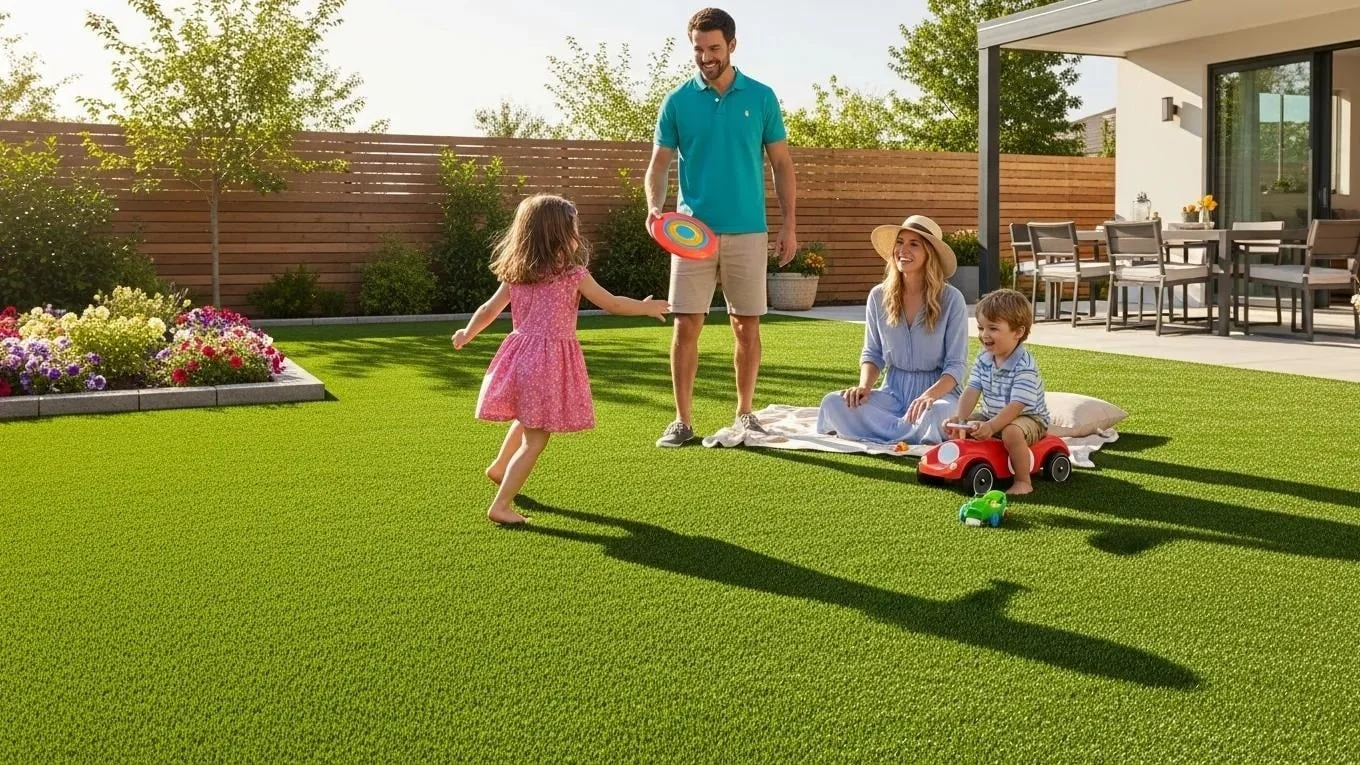
Modern manufacturing techniques enable artificial grass to closely mirror the natural beauty of real turf. Producers offer a range of colors, textures, and custom options so homeowners can match aesthetic preferences while maintaining uniform coverage. Realistic aesthetics improve curb appeal and create a welcoming space for outdoor activities.
In practice, realistic appearance is a combination of visual and physical cues: mixed blade tones, subtle thatch layers, and varied blade geometry create depth and reduce uniform sheen. Designers often specify a slightly uneven color palette—mixed greens with occasional brown or straw-colored thatch—to replicate seasonal variation and natural depth. When paired with thoughtful edging, planting beds, and hardscape elements, synthetic turf blends into landscapes rather than reading as a single flat surface.
Durability
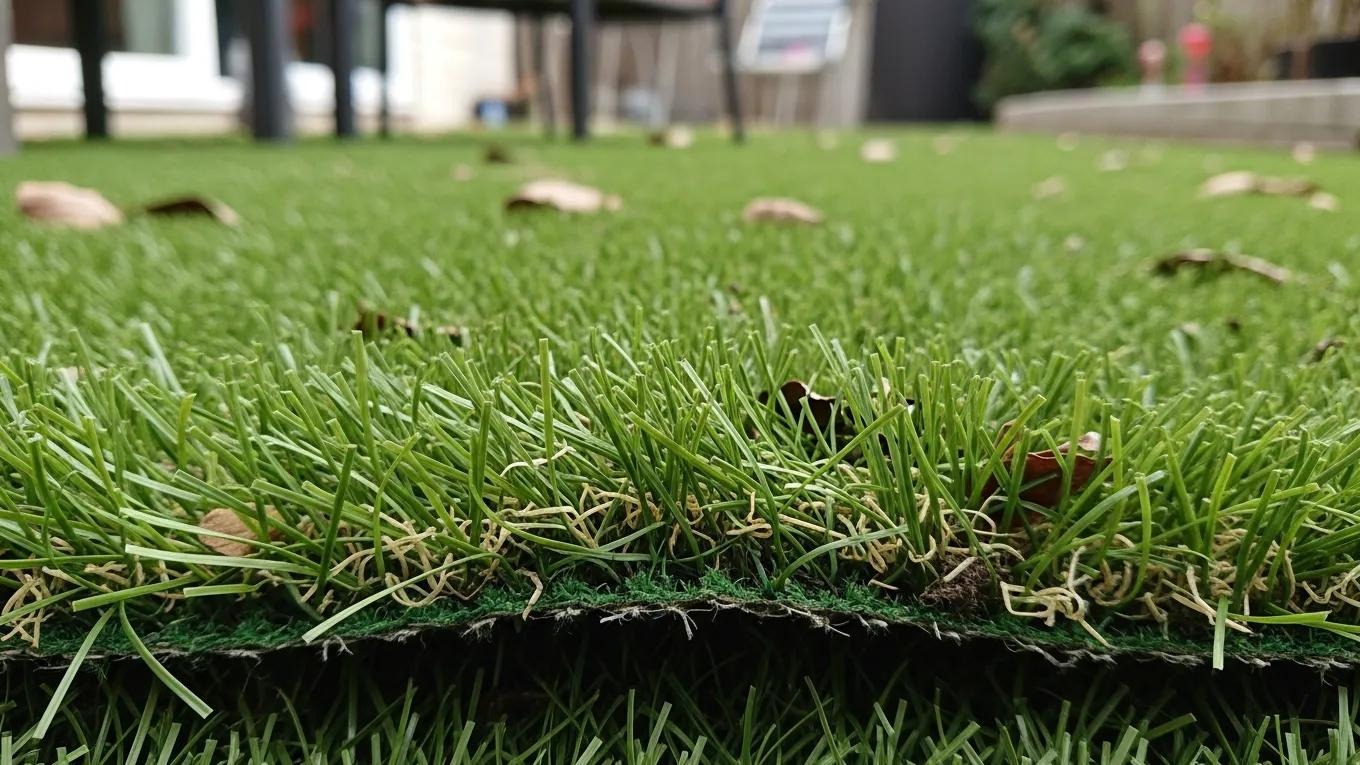
Synthetic grass is engineered to resist heavy foot traffic and weathering, using high‑quality polymers that extend service life. This durability reduces replacement and repair costs, making it a cost‑effective choice for residential and commercial applications where wear is a concern.
Durability features to review when selecting turf include fiber resilience (how quickly blades spring back after compression), backing strength (resistance to delamination), and drainage performance. These properties combine to reduce visible matting, prevent edge separation, and keep the surface usable under regular use. For areas with children, pets, or frequent events, prioritize higher-density constructions and manufacturer guidance on appropriate infill and installation methods.
Low Maintenance
Artificial grass eliminates the need for routine mowing, watering, and fertilizing, saving time and operational costs. Simple care—periodic brushing and cleaning—preserves appearance. For busy households and commercial properties, the reduced maintenance burden is a clear practical benefit.
A straightforward maintenance routine keeps the surface performing well: weekly debris removal, monthly light brushing in high-traffic zones, and seasonal inspections. For pet areas, more frequent rinsing and odor control are recommended. Using a stiff broom or power brush at low settings restores pile orientation; avoid harsh power tools that could damage fibers. Following manufacturer care guidance ensures cosmetic benefits without voiding warranties.
Environmental Benefits

Artificial grass conserves water and lowers the need for chemical fertilizers and pesticides, which can benefit local ecosystems. Reduced use of petrol-powered lawn equipment also cuts carbon emissions. These environmental advantages make synthetic turf an attractive option for environmentally conscious property owners.
When evaluating environmental benefits, consider product materials, end-of-life recycling options, and the choice. Many modern products use recycled content or are designed for easier recovery, and non-toxic infill options reduce concerns about runoff. Combining synthetic turf with drought-tolerant plantings and efficient irrigation for planted areas creates a lower-impact overall landscape strategy.
Safety and Comfort
Modern synthetic grass features soft fibers that provide comfortable, safe surfaces for play and relaxation. Many products are designed to be hypoallergenic, reducing allergy triggers and supporting use by children and pets. The combination of comfort and safety improves the everyday experience of outdoor spaces.
Additional comfort and safety come from layering systems: shock pads or resilient infill materials improve impact attenuation for play areas, while proper drainage prevents standing water that can harbor bacteria. For pet owners, select turf systems designed for quick drainage and easy surface cleaning, and follow recommended sanitation routines. Softness and traction are both important—choose a product that balances comfort with slip resistance for active use.
What Advances in Artificial Turf Blade Technology Make Synthetic Grass Look Natural?
Advances in blade technology directly improve the realism of synthetic turf. Innovations address color variation, blade shape, thatch, pile structure, texture, infill, and installation to create a more natural appearance.
Manufacturers now combine multiple small refinements—slight matte finishes, mixed fiber cross-sections, and engineered thatch—to reduce shine and add complexity. These refinements make short viewing distances look convincing and help the surface age more naturally. When specifying turf for a project, request sample swatches under natural light and consider installation orientation and landscape context to maximize realism.
Varied Coloration
Varied coloration—using earthy tones and subtle shade differences—prevents an overly uniform look and helps mimic real grass.
When choosing coloration, evaluate samples outdoors under direct and diffuse light. Multi-tone blends that include three or more complementary shades often read as more natural than single-tone products. Consider how surrounding plants, paving, and building colors interact with the turf to maintain a cohesive landscape aesthetic.
Thatch Layer
A thatch layer adds depth and breaks blade uniformity, imitating natural undergrowth to enhance realism.
The thatch layer also provides functional benefits: it supports blade stability, reduces backing visibility, and can improve foot comfort. Thatch should be balanced to support realism without trapping excessive debris; maintenance routines should include brushing to keep thatch functional and free of compacted materials.
Blade Shape
Blade geometry, such as flat or C‑shaped profiles, changes how light reflects and how the turf feels underfoot; manufacturers use multiple shapes to reproduce natural variation.
Different blade profiles perform differently underfoot and visually: some shapes appear more matte, others have superior resilience. For high-traffic zones, choose profiles designed for recovery; for ornamental spaces, prioritize blades that provide a softer, more natural look. Combining multiple profiles within a product line can deliver both durability and realism.
Pile Height and Density
Pile height and density are key to achieving a lush, natural look. Selecting the right combination hides backing visibility and delivers the appearance and performance suited to the site’s use.
Shorter, higher-density piles make durable, groomable surfaces ideal for play areas or patios, while taller, moderately dense piles create softer, more ornamental lawns. Discuss anticipated use—play, lounging, pets—with your installer to select pile characteristics that balance look and performance.
Texture and Feel
Texture and softness affect comfort for activities from play to lounging; manufacturers balance fiber composition and construction to replicate a natural underfoot feel.
Test textures in the field when possible: touch and walk on sample rolls to assess softness, traction, and spring. Some fibers are engineered to feel cool to the touch and avoid the plastic-like feel associated with early-generation turf. If barefoot comfort is a priority, look for systems with a supporting pad or softer infill designed for human use.
Infill Materials
Infill provides stability, cushioning, and contributes to a springy feel. Choosing appropriate infill influences drainage, comfort, and overall realism.
Infill options range from traditional crumb materials to rounded mineral or natural alternatives; the selection affects compaction, heat retention, and drainage characteristics. Follow manufacturer guidance on infill type and placement to balance performance and maintenance needs. Well-chosen infill can also reduce dust and improve blade stand-up in high-traffic areas.
Installation Techniques
Correct installation—thorough site preparation, effective weed barriers, accurate seam placement, and a compacted base—ensures the turf’s longevity and appearance. Professional installation helps maintain performance over time.
A strong installation begins with grading and sub-base compaction to achieve a stable, well-draining surface. Geotextile membranes can prevent weed intrusion while perimeter edging secures seams. Proper seam alignment and adhesive choices reduce visible joins. After laying turf, installers groom the fibers, set the infill to the recommended levels, and verify drainage before handing off the project. Insist on a site inspection and a detailed installation plan so future maintenance and repairs are straightforward.
How Do Multi-Tone Polyethylene Blades Improve Realism?
Multi‑tone polyethylene blades replicate natural color variation and reduce the unnatural bright sheen of single‑tone products, improving visual authenticity.
Polyethylene fibers are often chosen for their balance of softness and color retention. Multi-tone manufacturing techniques blend pigments at the fiber level, so tones remain visible as the blades move, making the surface look dynamic rather than static. For best results, review sample panels at the installation site to see how multi-tone effects interact with local light and surroundings.
What Role Does Blade Texture and Color Variation Play in Natural Appearance?
Blade texture and color diversity work together to create an authentic appearance; realistic blade profiles combined with mixed shades produce a synthetic lawn that closely resembles natural turf.
Texture controls perceived softness and light reflection while color variation masks repetitive patterns. Both elements reduce the “manufactured” look when combined thoughtfully. When matching turf to existing landscaping, aim for subtle contrasts rather than vivid uniformity.
Which Features Define the Best Artificial Grass for Landscaping in Dallas-Fort-Worth?
For Dallas‑Fort Worth landscaping, prioritize features that match the local climate and intended use.
- Durability: Look for products engineered to withstand local climate conditions and heavy foot traffic.
- Appearance: Choose grass that offers realistic color and texture variations to enhance curb appeal.
- Maintenance Requirements: Opt for low-maintenance options that require minimal upkeep to save time and resources.
Choosing products with these attributes delivers a durable, attractive lawn tailored to homeowners’ needs.
For local climates with intense sun and heat, emphasize UV-stabilized fibers and robust backing systems. Proper drainage remains critical: even in drier regions, sudden storms require reliable runoff management. Work with suppliers who can recommend turf systems tested for regional exposure and provide local references.
How Does UV Resistance Enhance Synthetic Grass Durability?
UV resistance prevents fading and helps preserve material integrity, extending the service life of artificial lawns—particularly important in sunny regions like Dallas‑Fort Worth.
UV stabilizers in fibers minimize color loss and embrittlement from prolonged sun exposure. When evaluating warranties and sample aging results, prefer products with proven UV treatments and documentation of long-term color retention from manufacturers or accredited testing laboratories.
What Eco-Friendly Materials Are Used in Modern Artificial Turf?
Modern turf incorporates recycled plastics and non‑toxic infill options to reduce environmental impact, aligning with demand for more responsible landscaping solutions.
Look for manufacturers that disclose material sourcing and recyclability. Some systems use post-consumer recycled content in backing or fibers and specify end-of-life recycling programs. Eco-conscious projects also consider local waste management and options for repurposing old turf when replacement becomes necessary.
How Does Expert Installation Impact the Longevity and Appearance of Artificial Grass?
Expert installation—proper site prep, quality materials, and experienced techniques—is essential to maximize both longevity and visual performance. Investing in professional installation yields more reliable, long‑term results.
An experienced installer will evaluate existing soil conditions, recommend the correct base aggregate, and ensure seams, edges, and transitions to other surfaces are handled cleanly. Properly graded and compacted bases reduce settlement and maintain blade orientation, preserving both function and appearance for many years.
What Are the Key Steps in Installing Realistic Artificial Turf?
Installing realistic turf follows a series of proven steps.
- Site Preparation: Clear the area of debris and ensure proper drainage.
- Base Layer Installation: Lay a stable base to support the turf.
- Final Grooming: Brush the grass to achieve the desired appearance.
Following these steps ensures a stable installation that looks and performs as intended.
To expand on these steps: start by grading to establish the desired slopes; install a geotextile, if needed, for weed control; place and compact a free‑draining aggregate base; check compaction and flatness; then deploy turf rolls with staggered seams. Secure edges with proper restraint systems, and apply infill per the manufacturer’s specifications. Final grooming aligns blades and reveals the installed product’s full aesthetic.
How Do Customized Solutions Like Artificial Putting Greens Enhance Property Value?
Custom features like artificial putting greens increase curb appeal and provide low‑maintenance recreation, making properties more attractive to potential buyers.
Adding custom zones—putting greens, pet runs, or play pads—can increase the functional use of outdoor space while remaining low-maintenance. Thoughtful integration of these features into landscape design preserves a unified look and may appeal to buyers who value both recreation and low upkeep.
What Maintenance Practices Ensure Long-Term Performance of Synthetic Grass?
To preserve long‑term performance, adopt these maintenance practices:
- Regular Cleaning: Remove debris and dirt to maintain appearance.
- Brushing: Brush the grass to keep the fibers upright and looking fresh.
- Infill Maintenance: Check and replenish infill materials as needed.
Consistent application of these practices preserves appearance and function over the years.
A practical seasonal checklist includes: spring inspections and brushing to remove winter debris; summer spot-cleaning and odor control for pet areas; autumn leaf removal and base-level checks; and winter inspections for drainage and seam integrity. Keep a record of maintenance actions to support warranty claims and to track infill needs over time.
Essential tools include a stiff broom or power brush rated for turf, a leaf blower or rake for surface debris, a hose for rinsing, and occasional mild detergents for spot cleaning. Avoid metal rakes or blades that could damage fibers or backing.
How Often Should Artificial Grass Be Cleaned and Inspected?
Clean and inspect synthetic turf regularly: remove debris weekly and perform seasonal inspections to identify damage. Professional cleaning services can provide deeper maintenance when needed.
Inspections should focus on perimeter edges, seams, drainage performance after storms, and signs of infill displacement in high-traffic zones. Prompt attention to small issues—re-securing an edge, refilling infill, or addressing a localized stain—prevents more extensive repairs later.
What Are Common Maintenance Mistakes to Avoid?
Homeowners should avoid common maintenance errors that reduce longevity:
- Neglecting Regular Cleaning: Failing to clean the grass can lead to buildup and discoloration.
- Improper Infill Maintenance: Failing to check infill levels can affect the grass’s performance.
- Ignoring Seasonal Inspections: Skipping inspections can lead to unnoticed damage.
Avoiding these errors helps keep synthetic grass in optimal condition.
In addition to these pitfalls, avoid using harsh chemical cleaners or abrasive tools that can strip protective coatings or fray fibers. When in doubt, consult your product documentation or installer for acceptable cleaning agents and recommended maintenance intervals.
What Are the Long-Term Benefits and Warranty Options for Realistic Artificial Grass?
Realistic artificial grass typically lasts 15–25 years and often includes warranty coverage that reflects product quality. Homeowners can realize a return on investment through reduced maintenance costs and enhanced property value.
When reviewing warranty options, confirm which aspects are covered—color fade, drainage, fiber wear, and manufacturing defects—and understand the owner’s maintenance responsibilities. A clear warranty combined with documented installation practices protects both aesthetic and functional expectations over time.
How Do Warranties Reflect Product Quality and Durability?
Warranties indicate manufacturer confidence; compare coverage and terms to assess the protections offered and support informed selection of turf products.
Consider warranty duration, scope, and any pro-rated clauses. Reputable suppliers provide written terms and a description of required maintenance to keep the warranty valid. Ask about the claims process and regional service partners to ensure support is accessible if issues arise.
What Return on Investment Can Homeowners Expect?
Homeowners can expect a favorable return on investment through lower maintenance expenses and potential increases in property value. ROI depends on product quality and the level of customization chosen.
Evaluate ROI qualitatively by comparing ongoing water, fertilizer, and mowing costs against upfront installation and eventual replacement. In many cases, reduced annual maintenance and consistent curb appeal contribute to long-term savings and improved marketability, particularly in areas where drought restrictions or high maintenance costs are a concern.
How Does Synthetic Grass Compare to Natural Lawn Alternatives in Appearance and Function?
Synthetic grass delivers consistent visual appeal, reduced maintenance needs, and engineered durability. Natural lawns typically require more upkeep and may vary in appearance with the seasons.
While natural turf offers ecological benefits like habitat and soil conditioning, synthetic systems provide predictability and usability year-round. Consider blending solutions—synthetic turf in high-wear zones and natural plantings elsewhere—to balance ecological goals with practical use.
What Are the Environmental Advantages of Artificial Turf?
Artificial turf conserves water and reduces the need for chemical treatments, supporting healthier ecosystems and a smaller carbon footprint.
As part of a broader landscape strategy, synthetic turf can reduce irrigation demand and eliminate the need for frequent chemical applications. Pairing turf with native plantings and efficient irrigation for planted areas enhances biodiversity while preserving the low-maintenance benefits of synthetic lawns.
How Does Synthetic Grass Perform Under Local Dallas-Fort-Worth Conditions?
Synthetic grass designed for Dallas‑Fort Worth withstands heat and sunlight while offering durable, low‑maintenance performance suited to the region’s climate.
For local installations, work with suppliers who understand regional microclimates and can recommend fiber selections, UV stabilizers, and installation details that address heat, sun exposure, and occasional heavy rainfall. Proper base design ensures rapid drainage during storms while maintaining comfort during hot periods.
What Innovations Are Shaping the Future of Artificial Grass Technology in 2026?
Emerging innovations—such as smart irrigation integration and eco‑friendly materials—are improving performance and sustainability in synthetic turf systems.
Continued product refinement focuses on reducing environmental impact, improving recyclability, and enhancing performance through engineered drainage matrices and companion technologies that monitor moisture or localized wear. These trends support more resilient and maintainable landscape solutions.
How Are Smart Irrigation and Eco-Friendly Materials Integrated?
Smart irrigation can be paired with synthetic turf installations to optimize water use; combined with eco‑friendly materials, these solutions support more sustainable landscaping practices.
Smart irrigation systems are typically applied to planted areas adjacent to turf, ensuring water is used where needed while keeping synthetic zones dry and usable. Using eco-friendly materials for turf components further reduces lifecycle impacts; when integrated thoughtfully, these elements create a cohesive, sustainable yard plan.
What Industry Trends Should Consumers Watch For?
Consumers should stay informed about advances in material technology and sustainability practices to make informed decisions when selecting synthetic grass.
Pay attention to manufacturers that publish material sourcing, recycling programs, and independent performance testing. Trends toward circularity and demonstrable durability are strong indicators of products designed for long-term value.
Where Can Customers Request Expert Consultation and Free Quotes for Realistic Artificial Grass?
For a professional consultation and free quote, contact Synthetic Grass DFW. Our specialists will help you select suitable products and provide cost estimates. Reach out by email at leads@syntheticgrassdfw.com or by phone at (972) 373-4196 for more information.
Frequently Asked Questions
What is the lifespan of artificial grass?
Artificial grass typically lasts 15–25 years, depending on material quality and maintenance. High‑quality products resist weathering and heavy use; regular cleaning and infill replenishment can extend service life, making turf a long‑term investment.
Exposure conditions, maintenance, and installation quality influence longevity. Proper drainage and routine upkeep are the most reliable ways to protect your investment and maintain appearance over time.
How does artificial grass affect property value?
Installing artificial grass improves curb appeal and reduces long‑term maintenance costs, both of which can increase a property’s marketability. Adding custom elements, such as putting greens, can further enhance desirability.
Buyers often value consistent curb appeal and low maintenance, particularly in areas where drought restrictions or high lawn-care costs are common. Documented installation quality and warranties can help communicate value to prospective buyers.
Are there any health concerns associated with artificial grass?
Modern artificial grass is engineered for safety and often uses hypoallergenic materials consistent with product standards. Choose reputable manufacturers and perform routine cleaning and inspections to minimize any risks from debris or bacterial buildup.
Routine rinsing and surface cleaning are effective for everyday sanitation. For pet areas, periodic disinfecting with manufacturer-approved cleaners and ensuring good drainage reduces odor and bacterial concerns.
What are the differences between various types of artificial grass?
Artificial grass differs by material, pile height, density, and infill. Polyethylene is common for softness and a realistic look, while other turf offers higher wear resistance. Pile height and density affect appearance and feel, and infill impacts cushioning and drainage. Select product characteristics that match the intended use.
Consider expected traffic, pets, and whether the area is ornamental or functional when comparing types. Request sample panels, inquire about warranty coverage for the intended use, and consult installers about field-proven options in similar projects.
Can artificial grass be installed over existing lawns?
Artificial grass can be installed over existing turf, but thorough site preparation is critical. Remove or flatten existing grass, establish proper drainage and a stable base, and add a weed barrier where appropriate. Professional installation ensures correct procedures and maximizes longevity and appearance.
In some retrofit situations, removing the existing topsoil or turf is recommended to build a suitable base. A knowledgeable installer will evaluate the existing condition and advise whether full removal or overlay is appropriate for long-term performance.
What maintenance is required for artificial grass?
Maintenance is straightforward: remove debris, brush fibers to keep them upright, and monitor infill levels. Aim for weekly cleaning and seasonal inspections; replenish infill as needed to preserve performance and appearance.
Spot-clean spills promptly with mild soap and water, and address any stains according to manufacturer instructions. Keep drainage channels clear and perform light grooming in high-traffic areas to prevent matting.
How do I choose the right artificial grass for my climate?
Choose turf with UV resistance, appropriate drainage, and proven durability for your climate. In hot, sunny areas, select products that have been tested to resist fading and material degradation, and ensure adequate drainage for heavy rainfall. Consult professionals familiar with local conditions to match product choice to site requirements.
Local installers and suppliers with regional experience can advise on combinations of fiber type, backing, and infill that have performed well under similar conditions. Request references and photos of the installed project to confirm suitability.
Conclusion
Artificial grass delivers a realistic appearance, long service life, and low maintenance, making it a practical solution for homeowners and businesses. It enhances curb appeal while conserving water and reducing chemical use. Investing in high‑quality synthetic turf allows you to enjoy an attractive lawn without ongoing upkeep. Discover our range of premium artificial grass products today to transform your outdoor space.
Before deciding, review sample materials in natural light, ask about installation practices and warranties, and confirm recommended maintenance routines. A well-chosen, professionally installed system provides many years of attractive, low-effort landscaping that aligns with both lifestyle and environmental goals.


