
Can Artificial Grass Increase Property Value? What Dallas Real Estate Trends Show
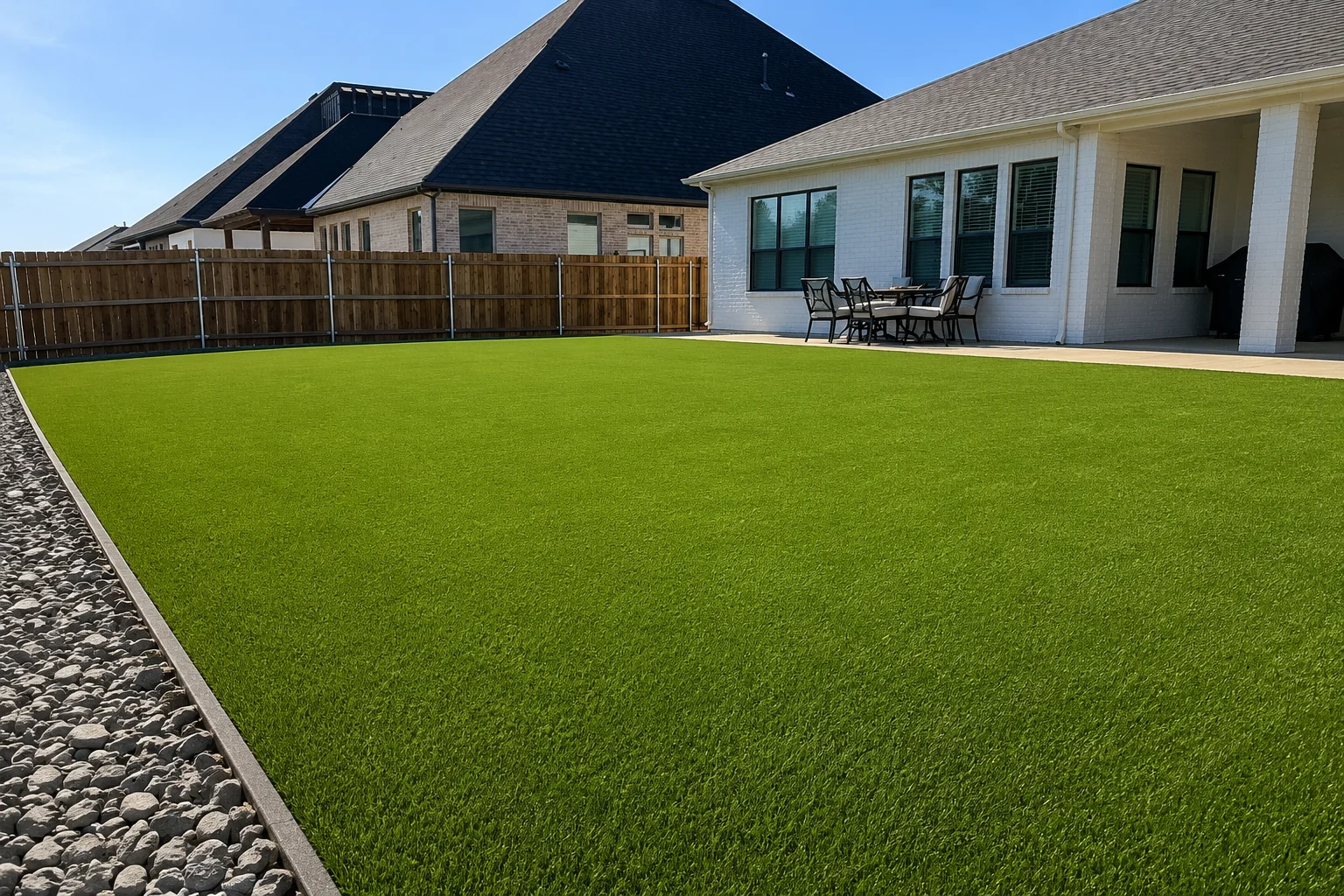
Artificial grass has become a common landscaping choice in Dallas, where property value is a priority. Its combination of aesthetic consistency and practical benefits makes synthetic turf an attractive option for homeowners. This article examines how artificial grass can influence property values in the Dallas market, summarises the key benefits observed locally, and outlines why a low‑maintenance, resource‑efficient yard can deliver both immediate visual returns and longer‑term financial value. Where relevant, the discussion also highlights considerations homeowners should weigh before committing to installation.
How Does Artificial Grass Positively Impact Residential Property Values in Dallas?
Artificial grass increases residential property value by improving curb appeal, cutting ongoing maintenance, and delivering measurable long‑term return on investment. A consistently green, well‑installed lawn signals a cared‑for property to prospective buyers. The reduction in water and upkeep costs further enhances appeal, making homes with synthetic turf more competitive in the Dallas market.
These advantages align with buyer preferences in Dallas for year‑round, low‑maintenance landscaping. Market data and agent reports indicate that properties featuring quality artificial grass often attract greater interest and can spend less time on the market, reinforcing the material impact on resale potential. Realtors often note that a neat, durable outdoor space requires fewer immediate repairs or replacements, reducing friction during negotiations.
What Evidence Supports Increased Home Value from Synthetic Turf Installation?
Published analyses and market observations point to a positive relationship between synthetic turf and property values. Some studies have reported value increases of up to 10% for homes with well‑installed artificial grass compared with similar properties with natural lawns. That uplift is driven largely by buyer perception of maintenance‑free outdoor spaces.
Installation of artificial grass also demonstrates strong lifecycle economics when maintenance savings are considered. Reduced expenses for mowing, irrigation, and fertilizer translate into savings that can be redirected to other improvements. Homeowners have reported faster sales and more competitive offers after installing turf, and interested parties should review the full scope of services, from initial consultation through installation, at “synthetic grass DFW services”. When evaluating potential value increases, consider the combined effect of perceived curb appeal and actual operating cost reductions over the product’s useful life.
How Do Artificial Grass Benefits Enhance Curb Appeal and Marketability?
Artificial grass elevates curb appeal with a uniform, vibrant appearance that remains consistent year-round. This reliable visual standard increases interest during showings and supports stronger first impressions—an important factor when competing for buyers in Dallas. Thoughtful edging, coordinated hardscape elements, and complementary planting can amplify that first impression and present a cohesive outdoor design that buyers value.
Beyond aesthetics, the reduced maintenance demand appeals to buyers seeking convenience. The durability of high-quality synthetic turf also signals a long‑lasting solution that minimizes the need for frequent replacements or intensive upkeep, thereby improving a property’s marketability and perceived value. Homeowners can further boost appeal by pairing turf with native plantings or simple irrigation solutions for garden beds, creating a balanced look that satisfies both practical and style concerns.
What Are the Latest Dallas Landscaping Trends for 2026 Influencing Property Value?
Key landscaping trends in Dallas emphasize sustainability and resource efficiency. Environmentally conscious design choices, including low‑water landscapes, are growing in prominence and influence buyer expectations. These trends reflect broader consumer interest in lower operating costs and reduced environmental impact, which feed into buyer decision-making.
Homeowners increasingly combine synthetic turf with native planting to achieve attractive, low‑maintenance yards that also support local biodiversity. This approach appeals to buyers who value both aesthetics and sustainable practices, enhancing property desirability. Thoughtful landscaping that pairs turf and native species can also provide habitat benefits while maintaining tidy visual lines that many buyers prefer.
Which Sustainable Landscaping Solutions Are Preferred in Dallas Real Estate Markets?
Sustainable landscaping in Dallas is gaining traction as residents respond to water conservation concerns. Synthetic turf is frequently adopted for its water‑saving profile, while native plants are used alongside it to maintain ecological balance and visual interest. Many homeowners see this combination as a pragmatic way to balance low maintenance with local ecological considerations.
Additionally, xeriscaping with drought‑tolerant species is commonly used to reduce irrigation needs. These combined strategies often enhance property value by appealing to environmentally aware buyers and lowering ongoing landscape costs. When implemented well, these approaches require less routine attention while still supporting an attractive exterior that complements the home.
How Does Artificial Turf Compare with Natural Grass in Dallas Market Preferences?
Comparisons within the Dallas market show a clear preference among many buyers for lower‑maintenance solutions. Natural grass can require substantial care, especially during hot summers, whereas synthetic turf presents a reliable, low‑effort alternative. For buyers who move frequently or want minimal ongoing yard work, artificial grass can be especially appealing.
The consistent texture and color of artificial grass also address common problems such as brown patches and uneven growth during droughts. These practical advantages make synthetic turf a compelling option for homeowners focused on appearance and reduced upkeep. Families with pets or active children also appreciate the durability and quick‑draining properties of many modern turf systems.
What Are the Long-Term Financial Benefits and ROI of Synthetic Turf Installation in Dallas?
Synthetic turf offers long‑term financial benefits that often offset initial installation costs. By eliminating routine expenses like mowing, watering, and fertilizing, homeowners can realize substantial savings over the turf’s service life. These savings can be redirected into other home improvements that further increase property value.
The expected return on investment can be significant, particularly when a property is listed for sale after installation. Enhanced curb appeal and lower maintenance often lead to quicker sales and competitive offers. For tailored guidance on this investment, consult specialists such as “synthetic grass DFW”. Professionals can provide a site‑specific estimate and a lifecycle comparison that reflect local labor and material costs.
What Are the Typical Installation Costs for Artificial Grass in Dallas?
Installation requirements can vary depending on the size of the area, site conditions, and the quality of synthetic turf selected. Final cost depends on preparation, drainage requirements, and material selection. Additional elements, such as edging, base material, and the removal of existing turf, can affect the quote.
While the upfront investment can seem substantial, it should be evaluated alongside projected savings on water and maintenance. The potential increase in property value following professional installation often justifies the expenditure for many homeowners. Obtaining multiple estimates, checking references, and reviewing sample installations in person are practical steps to ensure value for money.
How Does Maintenance Cost Savings Improve Overall Turf Investment Value?
Switching to synthetic turf reduces or eliminates recurring costs such as mowing, fertilization, and irrigation, which improves the overall value of the investment. These savings lower the total cost of ownership over time. Owners should budget for occasional turf-specific maintenance tasks, such as infill top‑ups and debris removal, which are generally far less frequent than those for natural lawns.
Lower maintenance requirements also help the lawn retain its visual appeal, which supports property value retention. Homeowners benefit from reduced ongoing expenses and a consistently attractive landscape. Over time, the predictability of costs and reduced need for professional lawn services provide a clearer picture of long‑term expenses.
How Do Environmental and Maintenance Advantages of Artificial Grass Contribute to Dallas Property Value?
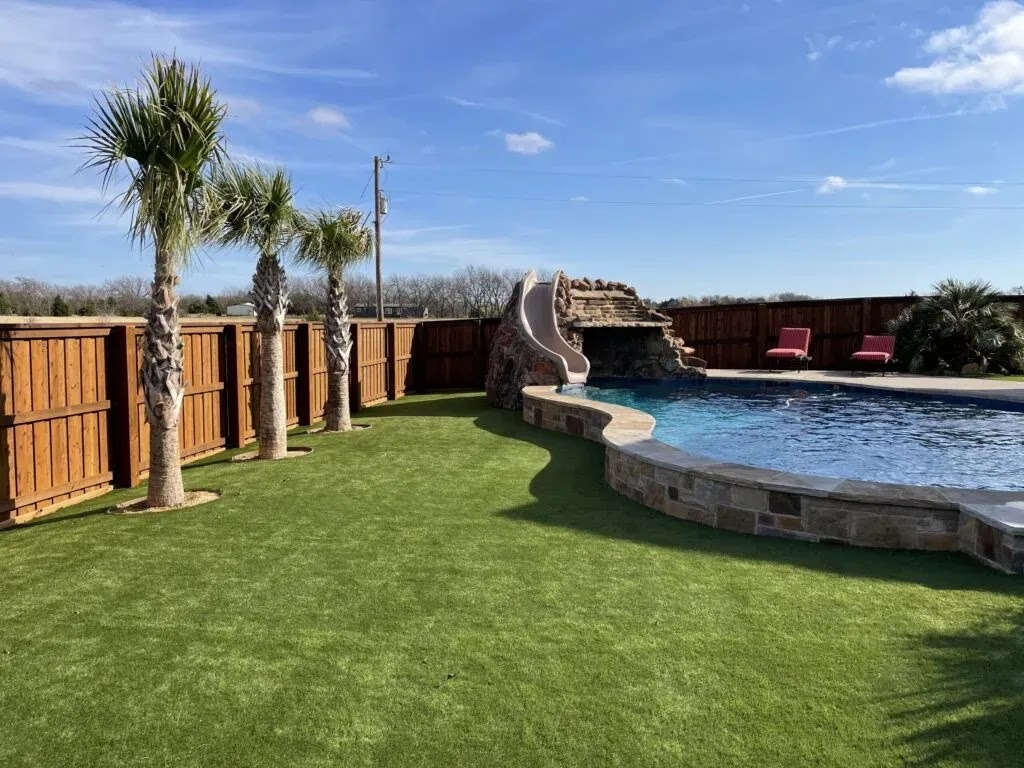
The environmental benefits of artificial grass—chiefly reduced water demand—combined with lower maintenance needs, positively influence property values in Dallas. Conserving water while maintaining a high‑quality landscape addresses local environmental priorities. Some buyers and municipalities actively encourage reduced outdoor water use, making drought‑resilient yards an attractive asset.
Reduced use of chemicals and fertilizers is also attractive to environmentally conscious buyers. These advantages support healthier local environments and contribute to broader market interest in properties that demonstrate sustainable practices. Owners considering turf can emphasize these points in marketing materials to reach buyers who prioritize environmental stewardship.
In What Ways Does Synthetic Turf Support Water Conservation Efforts in Texas?
In a drought-prone climate, synthetic turf reduces or eliminates irrigation needs, yielding significant water savings for homeowners. This reduction is particularly relevant in Texas, where water conservation remains a priority for communities and utilities. In turn, lower household water use can help families avoid penalties or restrictions during drought cycles.
Adopting artificial grass aligns with local conservation initiatives. It can help homeowners contribute to community‑wide water‑saving goals, which in turn can enhance property appeal in a market sensitive to sustainability. When paired with efficient irrigation for planted areas, a turf‑focused design can achieve a strong balance between performance and biodiversity.
How Does Low Maintenance Improve Homeowner Convenience and Neighborhood Standards?
Low-maintenance synthetic grass frees homeowners from routine lawn care tasks, allowing them to reallocate time and resources to other priorities. This convenience is a practical benefit for many property owners. Those who travel frequently or manage busy schedules often cite low‑effort yards as a major lifestyle benefit.
At the neighborhood level, properties with uniform, well‑kept landscapes create a stronger collective curb appeal. This shared improvement can raise neighborhood standards and support higher property values across the area. When multiple homes in a block adopt tidy, low‑water landscaping, the overall aesthetic uplift can be notable to prospective buyers.
What Should Homeowners and HOAs Consider When Choosing Artificial Turf in Dallas?
Homeowners and HOAs should assess community needs, compare installation costs to natural grass, review maintenance expectations, and consider aesthetic standards before selecting artificial turf. A clear evaluation ensures the choice aligns with both budget and long‑term goals. It is also helpful to map out likely maintenance tasks and costs over a 15‑ to 25‑year horizon to understand the full financial picture.
It is also important to review local regulations and HOA policies regarding turf installation. Open discussions with neighborhoods and governing bodies help secure approvals and ensure the final installation meets community guidelines. Documented plans and product samples can ease the approval process and demonstrate a commitment to quality.
What HOA Rules and Design Considerations Affect Artificial Grass Installation?
HOAs commonly set standards for turf quality, color, and integration with existing landscaping. Requirements may address visible appearance and the use of acceptable materials to preserve neighborhood aesthetics. Being prepared with manufacturer specifications and warranty documents can smooth communications with an HOA.
Homeowners should confirm that their selected product and installation plan comply with HOA rules to streamline approvals and avoid revisions. Early coordination with governing bodies reduces the risk of conflicts during installation. If necessary, provide visual mockups or references to other approved installations to illustrate the proposed outcome.
How Do Warranty and Product Quality Influence Long-Term Satisfaction?
Product quality and warranty coverage are key determinants of long‑term satisfaction with artificial grass. Robust warranties signal manufacturer confidence and provide homeowners with tangible protection against premature failure. Comparing warranty terms—what is covered, duration, and exclusions—should be part of the procurement process.
Buyers should evaluate products for longevity and resistance to wear. Choosing reputable materials backed by comprehensive warranties supports informed decisions and improves the likelihood of lasting satisfaction. Requesting references from other local installations and inspecting completed work in similar climates can reveal how products perform under Dallas conditions.
How Is Synthetic Grass Used in Dallas Commercial Landscaping to Enhance Property Value?
Synthetic grass is increasingly used in commercial settings to deliver consistent presentation and reduce maintenance liabilities. Commercial properties benefit from lower upkeep costs and a polished exterior that supports tenant and customer impressions. Retail centers, office campuses, and hospitality sites often favor low‑maintenance landscapes that present well year‑round.
Artificial turf can also contribute to a property’s sustainability profile, which is a consideration for many businesses and their stakeholders. These combined advantages enhance both the visual and economic value of commercial sites. Facility managers also cite lower disruption from maintenance activities as a key operational benefit.
What Are the Advantages of Artificial Turf for Dallas Business Properties?
For business properties, artificial turf reduces ongoing landscape expenses and maintenance costs while providing a reliable, attractive outdoor environment that can improve the customer experience and property perception. Low maintenance can also minimize operational downtime for outdoor spaces used by customers or employees.
Adopting synthetic grass signals a commitment to efficient resource use and can strengthen a company’s sustainability messaging. This can support brand reputation and, over time, contribute positively to property valuation. Businesses often pair turf with wayfinding, seating, or landscape lighting to create usable outdoor amenities that add functional appeal.
How Does Professional Installation Ensure Long-Term Turf Performance?
Installation quality is critical to turf performance and longevity. Professional installers manage site preparation, material selection, and drainage solutions to ensure the system performs as intended. Proper preparation helps prevent common issues like settling, uneven surfaces, and inadequate drainage.
A professional approach reduces the risk of common issues such as uneven surfaces or premature wear. Experienced installers also advise on maintenance best practices, further protecting the long‑term value of the investment. For details on available services, see “synthetic grass DFW”. Ask installers for an itemized scope of work and post‑installation maintenance recommendations to ensure expectations are clear.
Frequently Asked Questions
1. How does artificial grass contribute to water conservation in urban areas?
Artificial grass reduces water consumption by removing the need for routine irrigation. In urban areas subject to drought or water restrictions, this reduction supports local conservation efforts and can make properties more attractive to buyers prioritizing sustainability. When combined with low‑water planting in beds and efficient drip irrigation where needed, a turf‑focused yard can deliver significant reductions in household water use.
2. What are the differences in ecological impact between synthetic and natural grass?
Synthetic and natural grass have distinct ecological profiles. Natural lawns require water, fertilizers, and pesticides, which can contribute to runoff and pollution. Artificial turf minimizes these inputs but still has an environmental footprint associated with material production. Homeowners should consider lifecycle impacts when choosing between options, including manufacturing, transport, installation, and end‑of‑life disposal or recycling.
3. What are the maintenance requirements for artificial grass compared to natural grass?
Artificial grass requires substantially less routine care than natural turf. Maintenance typically involves occasional rinsing, debris removal, and periodic infill upkeep, rather than mowing, regular watering, and fertilizing. This reduction in labor and ongoing expense is a primary advantage for many homeowners, though periodic inspections and minor repairs help extend service life.
4. Can artificial grass be installed in shaded areas?
Yes. Artificial grass can be installed in shaded locations, though drainage and microclimate effects should be considered. Selecting products engineered for specific site conditions and consulting experienced installers will help ensure durable performance. In shaded spots, keeping the surface free of moisture‑trapping debris and ensuring adequate airflow helps reduce mildew and keeps the area usable.
5. How does the choice of turf affect the overall project cost?
Turf selection is a major cost driver. Higher‑grade products typically cost more upfront but offer greater durability and longevity, reducing replacement frequency and lifetime cost. Owners should weigh initial expense against expected service life and maintenance savings, and request comparative samples and warranties to make an informed selection.
6. What role does artificial turf play in enhancing property aesthetics?
Artificial turf delivers a consistent, green appearance year‑round, avoiding issues such as brown patches and uneven growth. This dependable aesthetic improves curb appeal and can increase buyer interest, supporting higher perceived property value. Customization options—pile height, blade shape, and infill choices—allow owners to tailor the look and feel to complement the home.
7. Are there any health concerns related to artificial turf?
Health considerations relate primarily to material composition, infill types, and heat retention. High‑quality products generally meet industry safety standards and eliminate the need for pesticides. Buyers should research materials and choose reputable manufacturers to mitigate potential risks, and consider cooling strategies such as shade structures or infill designed to reduce heat retention in hot climates.
Conclusion
Investing in artificial grass can strengthen property value in Dallas by delivering consistent curb appeal, lowering maintenance costs, and aligning with local sustainability trends. Homeowners who select quality products and professional installation benefit from reduced upkeep and improved resale prospects. To evaluate options for your property, consider reputable, high‑quality turf solutions and consult experienced professionals. Detailed quotes, local references, and clear warranty information will help ensure the installation supports both lifestyle goals and long‑term property value.


