
Backyard Turf Trends Dallas Homeowners Are Choosing in 2026
By Chad Harris, Synthetic Grass DFW
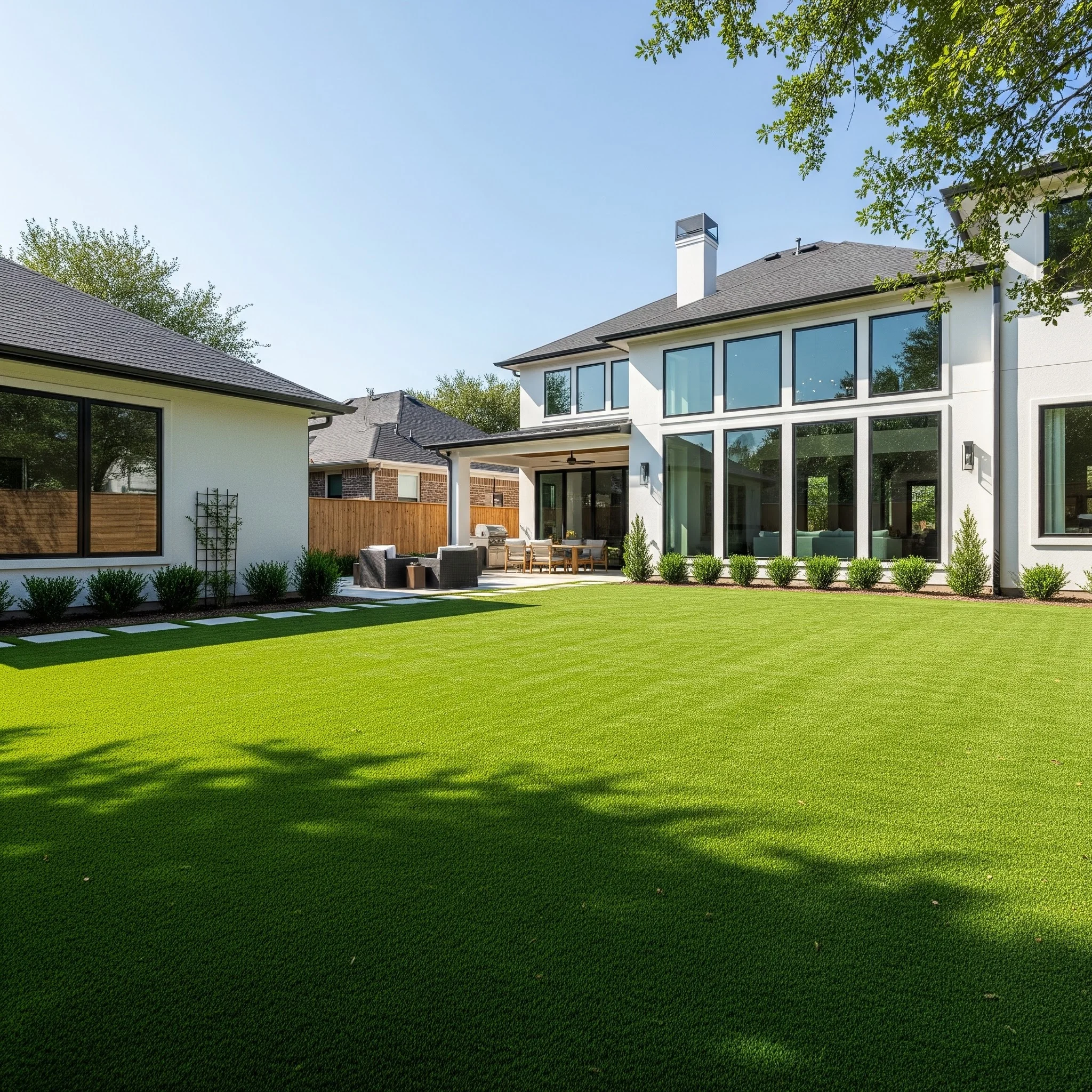
Dallas homeowners are increasingly choosing synthetic grass for sustainable, low‑maintenance landscaping. This guide examines the key backyard turf trends for 2026, covering turf types, installation methods, maintenance practices, and the benefits of professional installation. With clear information and practical options, homeowners can improve both the appearance and functionality of their outdoor spaces. The article reviews ideal turf choices for the Dallas climate and effective upkeep strategies. For a full overview of services and the company, visit the Synthetic Grass DFW website.
Latest Trends in Artificial Grass Installation
Installation practices are evolving to meet homeowner priorities for longevity and environmental responsibility. Eco‑friendly turf options, refined manufacturing, and recycled materials are gaining traction as buyers emphasize reduced environmental impact.
Materials engineered for durability and heat resistance are also in demand. Given Dallas’s high temperatures, homeowners prefer turf that resists fading and structural breakdown. Use cases have broadened beyond backyards to include poolscapes and commercial sites, reflecting a focus on both performance and sustainability.
In addition to product improvements, installation methods themselves are changing. Contractors are standardizing base preparation, specifying permeable sub‑bases that balance drainage and stability, and using geotextile layers to prevent weed ingress. Edge restraint systems—metal or polymer edging—are more commonly installed to maintain clean boundaries and prevent lateral movement. These refinements reduce long‑term maintenance and improve the installed turf’s resistance to settling, erosion, and seam separation.
Another trend is the integration of multi‑function outdoor spaces where artificial turf is combined with hardscaping, raised planters, and shade structures. Homeowners ask for designs that support entertaining, pet care and low‑impact play zones, so installers are aligning turf selection and base construction to those specific uses. This approach emphasizes materials and techniques chosen for their compatibility with irrigation systems, outdoor lighting and pool installations to maintain consistent performance across varied backyard features.
Best Synthetic Grass Types for Dallas Climate
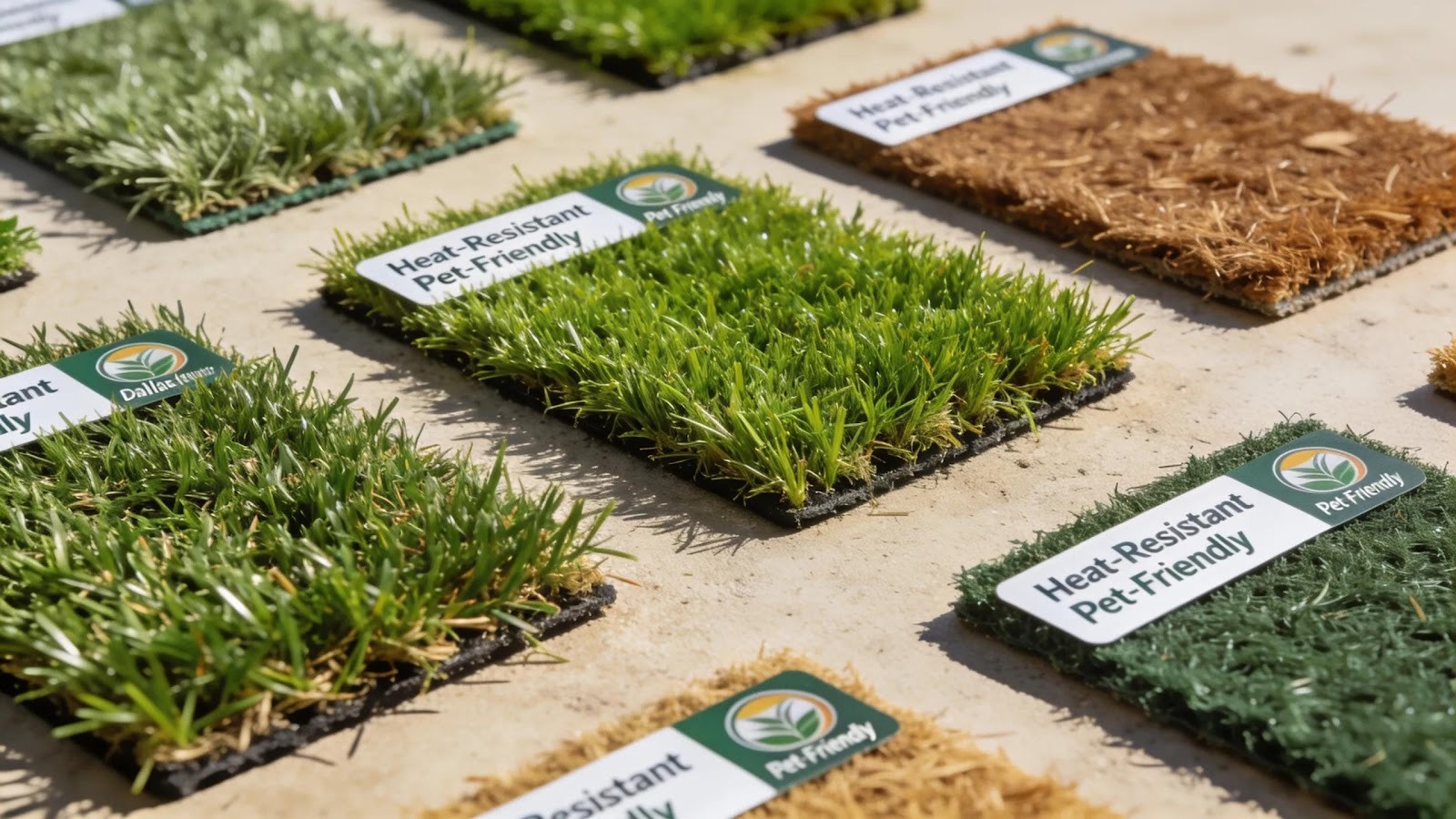
Selecting turf for Dallas requires attention to heat tolerance, durability under foot traffic, and long‑term color retention. Homeowners prioritize products designed to perform in hot, variable conditions and to withstand routine use.
When comparing product specifications, focus on face weight, pile height, stitch rate, and backing design. Face weight refers to the density of yarn on the turf’s surface and correlates with cushioning and appearance. Pile height determines the visual depth and how the surface responds to foot traffic—shorter piles offer durability for high‑use areas. In comparison, taller piles create a more natural, lush look in ornamental zones. The stitch rate and primary backing affect dimensional stability and resistance to pull‑out under heavy use.
Heat-Resistant Turf
Heat‑resistant turf is engineered for high temperatures, using UV‑stabilised fibers to preserve color and structural integrity. Artificial grass fibers are commonly made from materials such as polyethylene and polypropylene, offering a balance of softness, durability, and long-lasting performance. In addition to fiber chemistry, manufacturers use blade shapes and color blends to reduce heat absorption and visual glare. Some heat‑resistant options incorporate multi‑tone yarns and thatch layers to break up direct-sun reflections and produce a more natural temperature profile. When evaluating heat performance, look for UV stabilization ratings and manufacturer guidance on maximum operating temperatures to match the Dallas summer environment.
Pet-Friendly Options
Pet‑friendly turf emphasizes durability, ease of cleaning, and hygiene. These products resist heavy play and simplify waste removal, providing a resilient, low‑maintenance surface that remains safe and sanitary for families with animals.
Key pet‑friendly features include permeable backing and robust drainage channels to ensure liquids flow quickly through the turf, an infill choice that discourages odor retention (such as antimicrobial or odour‑absorbing infill blends), and yarns designed to withstand repeated scratching and running. Some systems include antimicrobial coatings on the backing or yarns that slow bacterial growth. For owners of multiple or large dogs, installers often recommend specific base preparations to allow for faster drainage and easier cleaning routines.
Durable and Heat-Resistant Turf Materials
Material selection directly affects turf performance and lifespan. Many high‑quality products include warranties up to 15 years and combine composite fibers and stabilizers to resist wear and heat, delivering a durable return on investment for Dallas homeowners.
Durability is a function of several interacting elements: yarn polymer and thickness, backing composition, tuft-bind strength, and stitch gauge. Polyethylene is valued for its soft, natural feel and strong UV resistance, while polypropylene offers durability and cost-effective performance. Some premium artificial grass products use hybrid fiber constructions to balance comfort, appearance, and long-term resilience in high-traffic areas. When comparing products, request data on tensile strength, tuft bind, and accelerated UV testing to evaluate likely long‑term behavior in sun and heat.
Eco-Friendly Options
Eco‑friendly artificial turf reduces potable water use and eliminates the need for chemical fertilizers and pesticides. These features support water conservation in a drought‑prone region and create a safer outdoor environment for children and pets.
Beyond water savings, eco‑minded homeowners should consider turf systems with recycled content, recyclable backings and manufacturing processes with lower embodied energy. Permeable installation methods that retain stormwater on site—helping recharge soil rather than forcing runoff—are another sustainability benefit. Selecting a turf and base system that minimizes the need for periodic chemical treatments or frequent replacement contributes to lower lifecycle environmental impact.
Benefits of Professional Installation
Professional installers ensure proper grading, drainage, and secure seams—elements essential to turf longevity and consistent performance. Technical expertise reduces the risk of pooling, uneven settling, or premature wear.
Hiring professionals also accelerates project completion compared with DIY approaches and allows installers to tailor methods to Dallas‑specific conditions. Expert technique improves the turf’s appearance and long‑term function.
Professional teams handle permit research, identify potential underground utilities, and manage site logistics so that materials, machinery, and staging are coordinated efficiently. They compact sub‑bases to recommended densities, install edging that prevents lateral displacement, and match seam orientation to visual sightlines for a cleaner finished appearance. Finally, installers typically provide post‑installation guidance and can set up periodic maintenance plans or seasonal inspections to preserve warranty eligibility and performance.
Homeowners seeking professional guidance can contact Synthetic Grass DFW to schedule a consultation, review product options, and obtain a detailed installation estimate. Learn more on their contact page.
Step-by-Step Installation Process
A clear, step‑by‑step installation helps homeowners evaluate contractor proposals and understand project scope.
- Site Preparation: This initial step involves clearing the area of debris, vegetation, and rocks to create a flat surface. Good preparation also includes measuring and marking the site, checking for slopes that affect drainage, and removing any old sod, roots, or compacted aggregates that could impede the new base.
- Drainage System Installation: Proper drainage is critical to prevent water pooling. Installers typically add a drainage layer to ensure that the turf does not retain water. The contractor will plan fall grades, select appropriate granular base materials, and include geotextiles where needed to separate soil from the sub‑base.
- Turf Layout: Once preparations are complete, the synthetic grass is laid out to ensure the seams are aligned correctly and to avoid visible lines. Laying the turf with blade direction and optical flow in mind improves appearance; installers often perform a dry lay to confirm seam placement before trimming and attaching panels.
- Final Touches: After laying the turf, finishing touches such as adding infill material are applied to keep the grass blades upright and provide additional weight. Final grooming—power brooming, tamping edges into edging profiles, and checking seams—ensures a smooth, even surface and reduces the chance of premature wear.
Additional steps commonly included in professional installations are installing weed‑mitigation fabrics, applying a compacted crushed-rock sub‑base to the recommended depths, and applying specified amounts of infill to achieve the desired resilience, drainage rate, and appearance. Technicians will also inspect for proper compaction and verify that transition points to patios, planters, and hardscape elements present a secure, trip‑resistant edge.
Synthetic Turf Maintenance Tips
Routine maintenance preserves appearance and extends service life. Implement regular cleaning to remove debris, and use a weekly rinse where appropriate to keep the surface clean and free of dust.
- Regular Cleaning: Sweep or use a leaf blower to keep debris off the turf surface. This practice prevents the buildup of organic material that can attract pests. For heavier debris such as branches, remove promptly to avoid flattening fibers.
- Seasonal Care Strategies: Inspect the turf for any signs of wear or damage every 6-12 months to address any issues before they escalate. Check seams for separation, look for low spots where infill may have migrated, and confirm that the edging remains firmly anchored.
- Temperature Awareness: During high temperatures, be mindful of the turf’s heat, as it can become hot to the touch. Regular watering can cool the surface and keep it comfortable for use. Use caution when placing dark objects that absorb heat (e.g., metal furniture) on turf during peak sun hours.
Additional maintenance tasks to consider:
- Pet waste removal: pick up solids promptly and rinse the area; for urine, regular rinsing and periodic deodorizing infill products help control odors.
- Stain management: most spills can be cleaned with mild soap and water; for stubborn substances such as oil or grease, use a recommended cleaning solution and follow the manufacturer’s guidance.
- Brushing and infill top‑up: power‑brooming returns fibers to an upright position after heavy use; occasional infill replenishment helps maintain cushioning and drainage characteristics.
- Snow and ice: light snow can be left to melt naturally; avoid using sharp tools that could damage the backing when clearing compacted ice.
Water Saving Advantages
Synthetic grass delivers measurable water savings, reducing outdoor water consumption and lowering utility costs compared with traditional lawns—an important consideration in arid climates. Homeowners see the most benefit from landscapes that were historically watered frequently or from properties with limited access to irrigation.
Beyond direct water reductions, turf systems also reduce the need for chemical fertilizers and pesticide applications, thereby lowering indirect water and environmental costs. When planning a conversion from natural lawn to synthetic turf, consider grouping plantings or installing drip irrigation for any remaining live planting beds to maximize overall water efficiency.
Specialty Turf Uses
Synthetic turf is suitable for school playgrounds, putting greens, dog parks, and other specialized applications that demand durability and low maintenance. Homeowners interested in golf practice can review options for synthetic grass putting greens.
Other specialty uses include rooftop and balcony installations, where lightweight turf systems are paired with engineered drainage mats; commercial landscaping, where appearance and durability are essential for business frontage; and event surfaces that require rapid installation and removal for temporary activations. Because specialty installations often have unique load, drainage, and warranty considerations, consult with the installer early to ensure the product selection and installation method match the intended use.
How to Schedule Expert Installation Services with Synthetic Grass DFW?
To schedule installation, contact Synthetic Grass DFW by calling (972) 373-4196 or (214) 298-7726, or email leads@syntheticgrassdfw.com. The initial consultation will identify site requirements and outline recommended products and timelines.
The consultation process typically includes a site visit or photos to assess slope, sun exposure, existing conditions, and drainage needs; a review of intended use (pets, play, landscaping, putting green); and an estimate detailing materials, labor, and timeline. Expect to discuss warranty options and post‑installation maintenance recommendations so you understand the long‑term care required to preserve the turf investment.
Working with experienced professionals ensures a high‑quality installation that improves usability and curb appeal while supporting long‑term sustainability goals. Professional firms can often provide references, examples of completed projects in Dallas, and documentation of testing performed on recommended products.
Frequently Asked Questions
1. What are the benefits of using synthetic grass in a Dallas backyard?
Synthetic grass reduces water use, removes the need for chemical fertilizers and pesticides, and provides consistent, year‑round appearance. It requires minimal maintenance and is formulated to withstand Dallas heat without significant color loss, delivering a durable and practical landscaping solution.
In practical terms, homeowners trade regular mowing, edging, and seasonal reseeding for occasional cleaning and infill maintenance. The uniform surface also improves accessibility for play and entertaining and can increase usable outdoor time when paired with appropriate shade and cooling strategies.
2. How does synthetic grass perform in extreme weather conditions?
Synthetic turf is manufactured to resist high temperatures and heavy rain. Heat‑resistant fibers prevent fading, and properly designed drainage systems handle excess water, maintaining both function and appearance across varied weather conditions.
Proper installation is critical in extreme events: a well‑graded base with correct compaction will prevent settling during heavy rains, and adequate edge detail will resist uplift during storms. In rare freeze events, turf generally tolerates cycles of freeze and thaw without damage, but attention to drainage and substrate performance helps ensure continued stability.
3. Are there any special considerations for installing synthetic grass in shaded areas?
Shaded installations can retain moisture longer and may benefit from turf designed for lower light exposure. Selecting appropriate turf and maintaining regular cleaning and inspections will reduce the risk of mould or mildew and help preserve durability.
In shaded or densely treed areas, more frequent removal of leaves and organic debris is important, since surface decomposition can increase odor and attract pests. If moss or algae develop, targeted cleaning or mechanical removal will restore appearance; in most cases these are surface issues rather than indications of product failure.
4. Can synthetic grass be recycled after its lifespan?
Many synthetic turf products use recyclable components, but recycling options vary by manufacturer and locality. Consult your turf provider about product recyclability and local disposal or recycling facilities to ensure responsible end‑of‑life handling.
Some manufacturers offer take‑back or recycling programs for end‑of‑life turf, or direct customers to regional recyclers that can separate polymer fibers and backing materials for reclamation. Documenting your purchase helps later recycling efforts by identifying the materials used.
5. How can I make my synthetic grass more comfortable during hot weather?
To reduce surface temperature, rinse the turf periodically and select heat‑resistant turf engineered to limit heat retention. Incorporating shaded areas or umbrellas over high‑use zones also improves comfort during hot periods.
Other simple measures include adding light‑coloured hardscape adjacent to high‑use areas to reflect rather than absorb heat, and using breathable, open‑weave patio covers that allow airflow while reducing direct sun exposure. For play areas, scheduling use in morning and evening hours minimizes contact with the hottest surfaces.
6. Is there a difference in maintenance between residential and commercial synthetic grass?
Maintenance differs mainly by usage intensity. Residential turf typically requires less frequent cleaning, while commercial sites with heavy traffic need more rigorous schedules. Infill choice and drainage design will also influence maintenance requirements.
Commercial installations often have prescribed maintenance contracts to sustain appearance and safety standards for customers or tenants. Points to consider include more frequent power brushing, accelerated infill replenishment, and scheduled inspections to ensure safety in high‑traffic zones such as playgrounds or athletic fields.
7. What are the initial costs of installing synthetic grass compared to natural grass?
Initial installation costs for synthetic grass are generally higher than natural turf. Still, lifecycle savings on water, mowing, and chemical treatments make artificial turf a cost‑effective choice over time—especially in regions with high water costs or scarcity.
When budgeting a conversion, consider the total lifecycle costs: installation, expected maintenance, water savings, and likely replacement horizons. A professional estimate will help you compare upfront investment against multi‑year savings. It may include options at different price and performance levels, so you can choose what best fits your financial and usage priorities.
Conclusion
Artificial grass offers Dallas homeowners reliable water savings, reduced maintenance and consistent aesthetics year‑round. By selecting quality materials and professional installation, residents secure long‑term performance and value. Schedule a consultation with our expert team to evaluate options and begin transforming your backyard with high‑quality artificial turf solutions.
Whether you prioritize pet care, play areas, poolside comfort, or sustainable landscaping, modern synthetic turf systems offer flexible solutions tailored to Dallas’s climate. Ask your installer about sample swatches, warranty terms, and recommended maintenance schedules so you can choose a system that aligns with your lifestyle and long‑term goals.