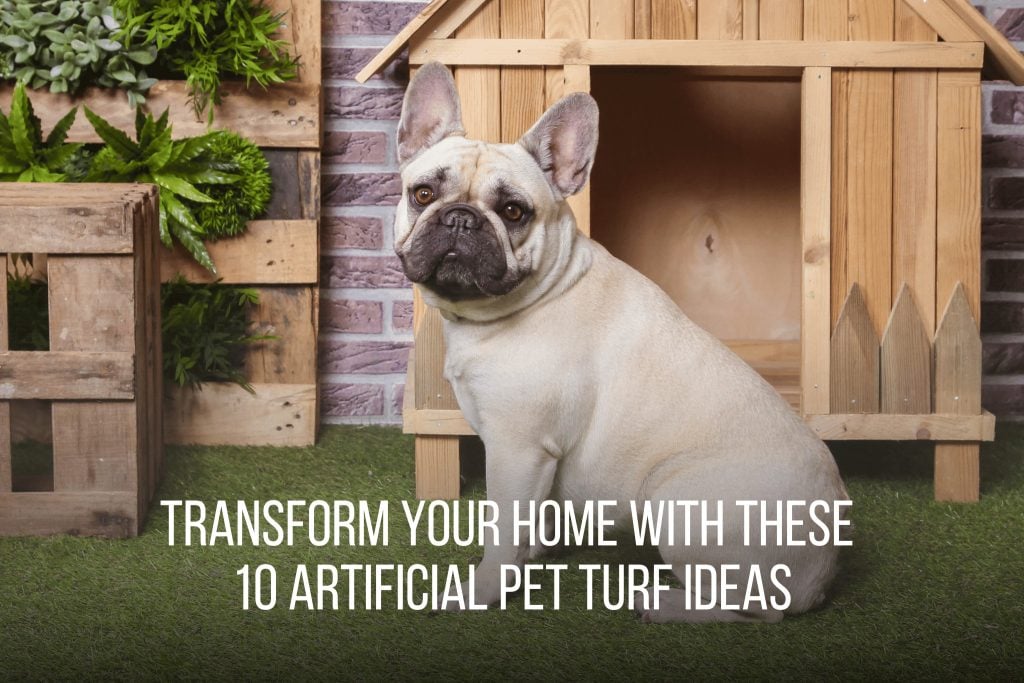
Pet-Friendly Artificial Grass for DFW Homes: Clean, Durable, and Comfortable

Finding a yard that works for pets can feel impossible in busy Dallas–Fort Worth neighborhoods. Pet-friendly artificial grass offers a low-maintenance, clean surface that’s comfortable for paws and durable under play. Below, we summarize the main benefits, typical installation steps, straightforward care, and why Synthetic Grass DFW is a local choice for pet-safe lawns.
What Are the Benefits of Dog-Friendly Synthetic Turf in Dallas-Fort Worth?
Dog-friendly turf is made to handle active pets while staying safe and comfortable. Key advantages include long-lasting durability, built-in odor control, and minimal upkeep—giving homeowners a tidy, consistent look year‑round.
Artificial Grass Benefits for Pet-Friendly Homes
In residential settings, artificial grass is valued for low upkeep, resistance to heavy use, and a tidy, consistent appearance throughout the year—qualities many homeowners find practical and appealing.
Safety and Environmental Benefits of Artificial Grass: A Research Review
- Durability: Made to endure heavy use so you avoid bare patches and muddy spots.
- Odor Resistance: Pet-grade systems use materials and designs that reduce odors from waste.
- Low Maintenance: Regular rinses and occasional brushing are usually enough to keep it looking good.
For quality pet turf in DFW, Synthetic Grass DFW offers options suited to local conditions and pet households.
How Does Durable Pet Turf Enhance Outdoor Spaces for Pets?
Durable pet turf creates a cushioned, even surface for play and rest. Fibers are soft on paws, and the system drains well to avoid puddles or mud that can be tracked indoors.
Why Is Odor-Resistant Artificial Grass Essential for Pet Owners?
Odor-resistant turf helps keep yards pleasant between cleanings by slowing bacterial growth—the usual source of bad smells—so outdoor spaces remain enjoyable for the family.
These odor-control features typically rely on antimicrobial finishes that limit bacterial activity rather than attempting to eliminate every microbe.
Odor-Resistant Treatments for Pet Turf
A variety of substances are used to give textiles antimicrobial properties. Rather than killing bacteria, most odor‑resistant treatments work by limiting bacterial growth.
Natural Materials in Functional Finishing, Y Zhou, 2024
How Is Artificial Grass Installation Performed in DFW for Pet-Friendly Lawns?
Installation follows a straightforward sequence to ensure drainage, stability, and a neat finish. Knowing the steps helps you plan and prepare the yard.
- Site Preparation: Remove existing turf, roots, debris, and obstacles for a clean base.
- Base Layer Installation: Install and compact a crushed‑stone or decomposed‑granite base to support drainage.
- Turf Laying: Roll out, cut, seam, and secure the turf so it stays in place.
- Final Touches: Add optional infill and brush the grass for an even appearance.
What Are the Steps in Professional Synthetic Turf Installation?
- Consultation and Site Assessment: A pro inspects the yard and recommends materials and approach.
- Preparation and Grading: Grade the site for proper slope and drainage.
- Turf Installation: Position and secure turf sections to fit the layout.
- Infill Application: Apply infill where needed for cushion and stability.
How Much Does Installation Cost for Pet Turf in Dallas-Fort Worth?
Costs vary by yard size, turf grade, and extras. Typical professional installs run roughly $8–$12 per square foot; that upfront cost buys long-term ease of care and a pet-friendly surface.
What Are the Maintenance Tips for Low Maintenance Pet Grass?
Caring for pet turf is simple—ideal for busy households. Follow a few regular habits to preserve appearance and function.
- Regular Cleaning: Pick up solids and rinse to reduce odors; spot-clean as needed.
- Brushing: Brush fibers occasionally to keep them upright and clear debris.
- Inspect for Damage: Check high-traffic areas and repair small issues early.
How to Clean and Maintain Odor-Resistant Synthetic Turf?
- Daily Maintenance: Scoop solids daily to prevent buildup.
- Weekly Rinsing: Hose the turf weekly to wash away dirt and urine.
- Deep Cleaning: Every few months, use water with a mild detergent for tougher spots.
What Are Best Practices to Prolong Turf Durability with Pets?
- Limit Heavy Traffic: Rotate play areas or create dedicated zones.
- Use Pet-Friendly Products: Choose cleaners labeled as safe for animals.
- Monitor for Damage: Inspect regularly and address wear early.
Turf lifespan depends on use, design, installation quality, climate, and routine care—so professional installation plus simple maintenance delivers the best results.
Artificial Grass Durability & Maintenance Factors
The lifespan of artificial grass depends on factors like usage, system design, installation quality, local climate, and ongoing maintenance.
Artificial grass: A conceptual model for degradation in performance, P Fleming, 2012
Why Choose Synthetic Grass DFW for Pet-Friendly Artificial Grass Solutions?
Choosing the right installer matters. Synthetic Grass DFW brings local experience, quality materials, and a focus on pet-safe systems that perform in our climate.
- Expertise in Installation: We install pet-safe systems designed for active dogs and cats.
- Quality of Materials: We use durable, non‑toxic turf products designed to resist wear.
- Customer Testimonials: Customers report less mud, easier cleaning, and better outdoor living after installing our turf.
What Makes Synthetic Grass DFW’s Turf Ideal for Dogs?
Our turf uses non‑toxic materials and textures that are gentle on paws, combining durability with comfort for regular use.
How Do Customer Testimonials Reflect Turf Performance and Satisfaction?
Customers commonly note reduced mud, simpler upkeep, and a more usable yard—evidence that a quality, pet-focused turf system adds value.
Frequently Asked Questions
What types of pets benefit from artificial grass?
Artificial grass suits many pets—dogs, cats, and smaller animals—offering a durable, softer surface that’s easy on paws and practical for multi‑pet homes.
Is artificial grass safe for pets to chew on?
High-quality pet turf is made from non‑toxic materials. Supervise chewers and choose products labeled safe for pets to reduce risks.
How does artificial grass handle extreme weather conditions?
Artificial grass is engineered to resist fading in heat, drain well in rain, and remain usable in colder weather, suitable for variable DFW conditions.
Can artificial grass help with pet allergies?
Yes. Synthetic turf doesn’t produce pollen and tends to be less hospitable to mold, which can lower allergen exposure for sensitive pets.
What should I do if my pet has an accident on the turf?
Pick up solids, rinse the area, and use a mild soap solution for lingering spots. Regular rinsing (about weekly) helps control odors and bacteria.
How long does artificial grass last with pets?
With proper installation and care, pet turf commonly lasts a decade or more; lifespan varies with material quality, installation, and usage.
Conclusion
Pet-friendly artificial grass can make yards cleaner, safer, and easier to maintain. With durable materials, odor-control features, and simple care, it’s a practical upgrade for busy DFW homeowners. Synthetic Grass DFW pairs experienced installation with pet-focused materials to deliver reliable, comfortable lawns.