Common Putting Green Installation Mistakes Homeowners Make
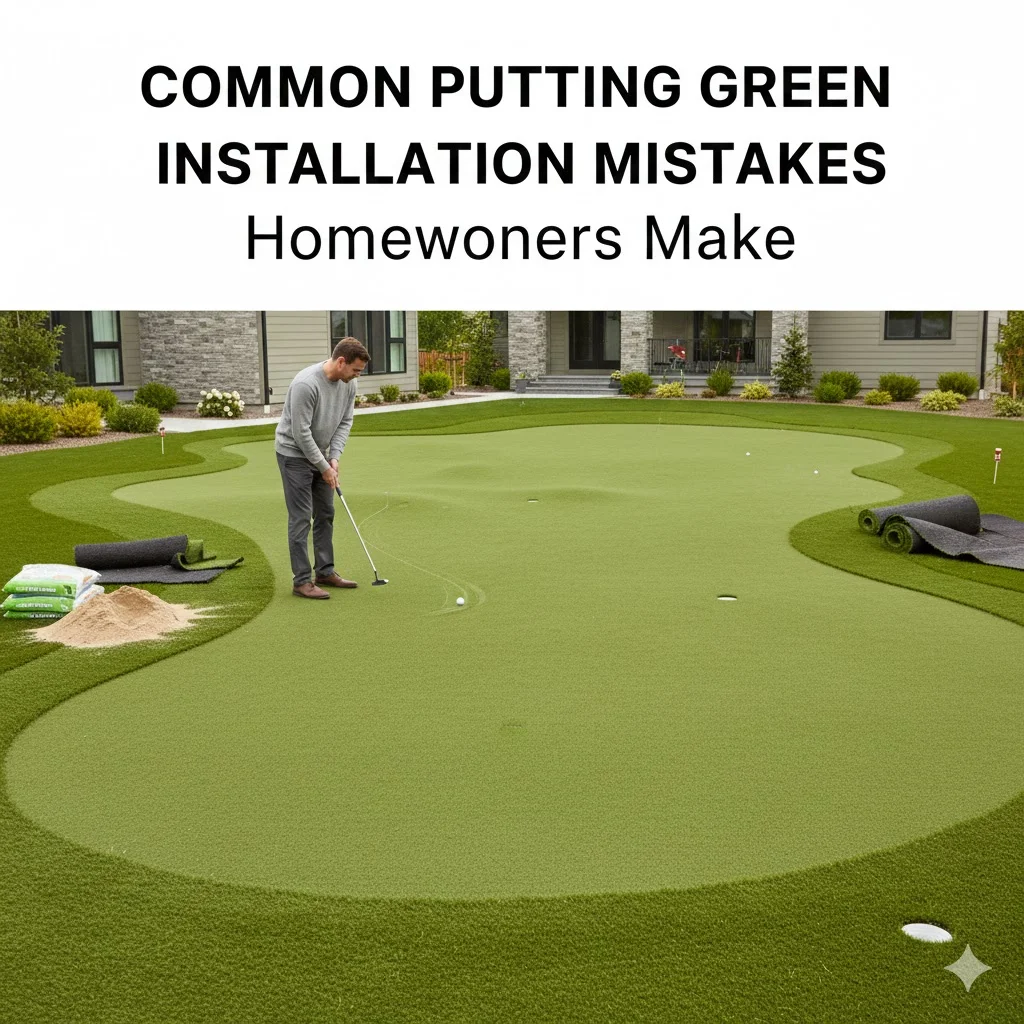
Installing a putting green can transform your backyard — but a few common DIY mistakes can turn that upgrade into a headache. This guide highlights the most common homeowner errors and shows how to avoid them, ensuring a smooth, playable surface. Use these practical tips for a professional-quality synthetic turf experience that lasts.
A realistic putting feel starts with thoughtful green design and subtle contours.
Designing Putting Green Topography That Delivers
A prototype transformable putting green can recreate real course topography to deliver a realistic indoor putting experience.
Re-Configurable Putting Green, 2012
We’ll cover the essentials: base preparation, drainage, turf selection, installation techniques, infill choices, and why leaning on professionals like Synthetic Grass DFW can save time and money.
Most Common Putting Green Installation Mistakes Homeowners Make
Many homeowners run into the same issues when installing a putting green. Spotting these problems early will help you avoid costly fixes and achieve a consistent playing surface. The biggest mistakes are:
- Base Preparation Errors: Skipping proper base prep often produces uneven surfaces and poor ball roll.
- Drainage Issues: Inadequate drainage can lead to standing water and premature turf damage.
- Turf Selection Mistakes: Choosing the wrong turf lowers playability and shortens lifespan.
- Infill Application Errors: Using the wrong infill or applying it unevenly undermines stability and performance.
- Installation Technique Mistakes: Poor seaming and incorrect cup installs create visible seams and misaligned holes.
Which Base Preparation Mistakes Cause Uneven Surfaces and Poor Ball Roll?
Base preparation is the backbone of any good putting green. Common missteps include weak compaction, incorrect grading, and the use of the wrong base material. Insufficient compaction allows settling and the formation of spots, which ruin ball roll. Poor grading creates puddles that further damage the surface. Use well-graded aggregates like crushed stone or decomposed granite, compact in layers, and verify your slope — that foundation delivers a true, consistent roll.
Research on sports pitch construction highlights the critical role of a well-compacted sub-base for artificial turf.
Sub-Base Compaction: Essential for Artificial Turf
Adequate compaction and overall base stiffness are essential; current guidance sets minimum stiffness values for sports pitch sub-bases.
Artificial turf field–A new build case study, P Fleming, 2016
How Does Poor Drainage Cause Pooling and Turf Damage?
Good drainage protects your turf and its backing. When drainage is overlooked, water pools, weakening the adhesive, encouraging mold, and shortening the turf’s life. The fix is simple in design: provide a permeable base, maintain proper slope, and include channels or sub-drains as needed so runoff moves away from the green and the surface stays dry and playable.
Choosing the Right Artificial Turf for Your Putting Green
Picking the correct turf is a make-or-break decision. Consider a few key characteristics before you buy:
- Turf Attributes: Know which attributes affect roll and durability.
- Common Turf Selection Mistakes: Many people use general-purpose turf instead of turf designed for putting greens.
What Turf Attributes Affect Putting Green Performance?
Pile height, fiber density, and fiber type directly affect feel and ball roll. Putting-green turf typically has thinner, denser fibers and a low pile height to mimic real greens and provide a smooth roll. Choose turf designed for putting — the right combination of these attributes improves playability and extends the life of your green.
Why Is Using Landscape Turf a Common Mistake for Putting Greens?
Landscape turf is made for looks and foot traffic, not precision putting. It usually lacks the density and fiber profile needed for an actual roll, resulting in inconsistent speed and feel. For reliable performance, invest in turf engineered specifically for putting greens.
Installation Techniques That Prevent Visible Seams and Misaligned Cups
Installation details determine how natural and durable your green looks and performs. Focus on accuracy and the right materials to avoid common installation pitfalls:
- Precision in Installation: Accurate measurements, clean cuts, and tight seams are essential for a polished finish.
- Correct Cup Installation: Properly aligned and secured cups keep holes true and stable.
How to Achieve Seamless Artificial Turf Installation for a Smooth Ball Roll?
Use quality high-quality seam tape and adhesives, cut turf edges cleanly, and fit pieces snugly together. Roll seams and give adhesives the recommended cure time. Proper seaming prevents gaps that catch balls and keeps the surface visually seamless and mechanically sound.
What Are the Correct Steps for Proper Cup Installation?
Install cups by marking exact locations, cutting a hole sized for the cup sleeve, and setting the sleeve level with the turf. Use a liner or sleeve to maintain shape, then backfill around it with compacted material (sand or aggregate) to keep the cup steady and accurate. Proper installation keeps holes aligned and prevents movement over time.
Why Proper Infill Matters for Longevity and Playability
Infill supports fibers, stabilizes the turf, and affects ball speed. Applying the right type and amount of infill evenly is crucial to performance and durability. Keep these points in mind:
- Consequences of Insufficient or Uneven Infill: Poor infill leads to uneven surfaces, flattened fibers, and exposed backing.
- Recommended Infill Types: Different infills change feel, stability, and temperature.
What Are the Consequences of Insufficient or Uneven Infill?
Too little or uneven infill causes poor ball roll, accelerated wear, and turf fibers that don’t stand up. Exposed backing reduces the turf’s lifespan. Apply infill uniformly and to the manufacturer’s recommended depth to preserve performance and look.
Which Infill Types Are Recommended for Synthetic Putting Greens?
Common infill options include silica sand for weight and stability, crumb rubber for cushioning, and organic choices like cork or coconut husk for eco-friendly temperature control. Each has pros and cons — consider playability, maintenance, and environmental impact. Often, a hybrid approach gives the best balance for a putting green.
How Professional Installation from Synthetic Grass DFW Prevents Costly DIY Mistakes
Hiring professionals reduces the risks that come with DIY installs. Experts bring experience, tools, and local knowledge that help avoid common mistakes. Key advantages include:
- Expertise in Local Conditions: Professionals understand Dallas–Fort Worth soils and climate and pick materials and methods that perform here.
- Long-term Cost Savings: Paying for a proper install up front often costs less than fixing DIY errors later.
What Expertise Does Synthetic Grass DFW Offer for DFW Climate and Soil Conditions?
With more than 15 years in the artificial turf business, Synthetic Grass DFW knows how local soil, sun exposure, and weather affect installs. That local experience helps us recommend the right products and construction methods for reliable performance in this region.
How Do Warranties and Financing Options Provide Long-Term Value?
Professional installs usually include warranties that protect against quality or material failures, and financing options make quality work more accessible. Those protections and payment plans add real long-term value compared with patching DIY mistakes later.
What Are the Financial Implications of Common DIY Putting Green Installation Mistakes?
DIY errors can carry real financial consequences. Repairs often add up and can exceed the savings from doing the job yourself. Consider these points:
- Repairing Installation Errors: Mistakes often increase overall project costs when repairs are required.
- Long-term Financial Benefits of Professional Installation: Investing in professional services can be more cost-effective in the long run.
How Much Can Repairing Installation Errors Increase Project Costs?
Fixing installation mistakes frequently costs more than the original DIY savings. Problems like regrading the base, replacing turf, or correcting drainage can push your total well beyond a professional quote. Factor in repair risk when making any DIY decision.
Why Is Investing in Professional Installation More Cost-Effective Long-Term?
Professionals get the job right the first time — with proper base prep, proper drainage, accurate seaming, and correct infill — reducing future repair costs. By choosing professional services, you get a durable, high-performing putting green without the stress of do‑over work.
Frequently Asked Questions
What maintenance is required for a synthetic putting green?
Maintenance is simple: brush the turf regularly to keep fibers upright, remove leaves and debris, check drains after storms, and top up infill as needed. A short,regular routine keeps the surface playing well and extends the life of your green.
Can I install a putting green in a small backyard?
Yes — small yards can host excellent putting greens. Use compact layouts, creative shapes, or multi-use spaces to maximize play. A professional can help design a solution that fits your yard and goals.
What is the average cost of installing a synthetic putting green?
Costs vary with size, materials, and site prep, but most professionally installed putting greens fall between $ and $$ per square foot. Get multiple quotes and compare what’s included — site work, drainage, turf quality, and infill make a big difference.
How long does a synthetic putting green last?
A properly installed, well-maintained putting green typically lasts 10 to 20 years. UV exposure, foot traffic, and maintenance all influence longevity. Choosing quality turf and following basic upkeep will keep your green performing longer.
Are there eco-friendly options for synthetic putting greens?
Yes. Many turf products use recycled materials, and organic infills like cork or coconut husk are biodegradable and help reduce heat. Look for products certified for safety and low chemical content when choosing eco-friendly options.
What should I consider when planning the layout of my putting green?
Plan around available space, sun exposure, and drainage. Think about hole placement, challenge-slope design, and optional features like chipping areas or bunkers. A thoughtful layout balances playability and yard aesthetics — consult a pro to optimize the design.
Conclusion
Avoiding common installation mistakes is the fastest way to get a beautiful, long-lasting putting green. Prioritize proper base work, effective drainage, turf built for putting, and correct installation methods — or partner with experienced professionals to ensure the job is done right. Our team is ready to help you plan and install a putting green that looks great and plays even better.