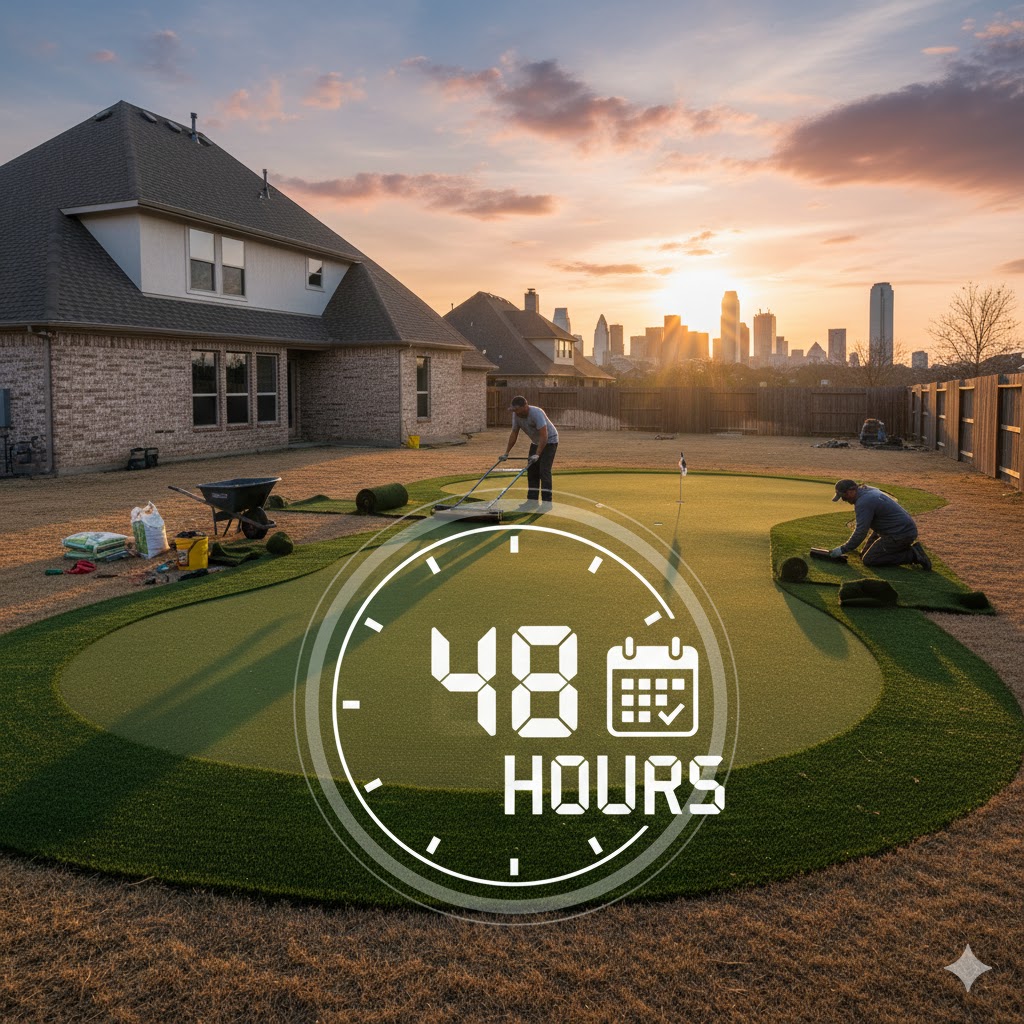
How Dallas Climate Impacts Putting Green Installation Performance
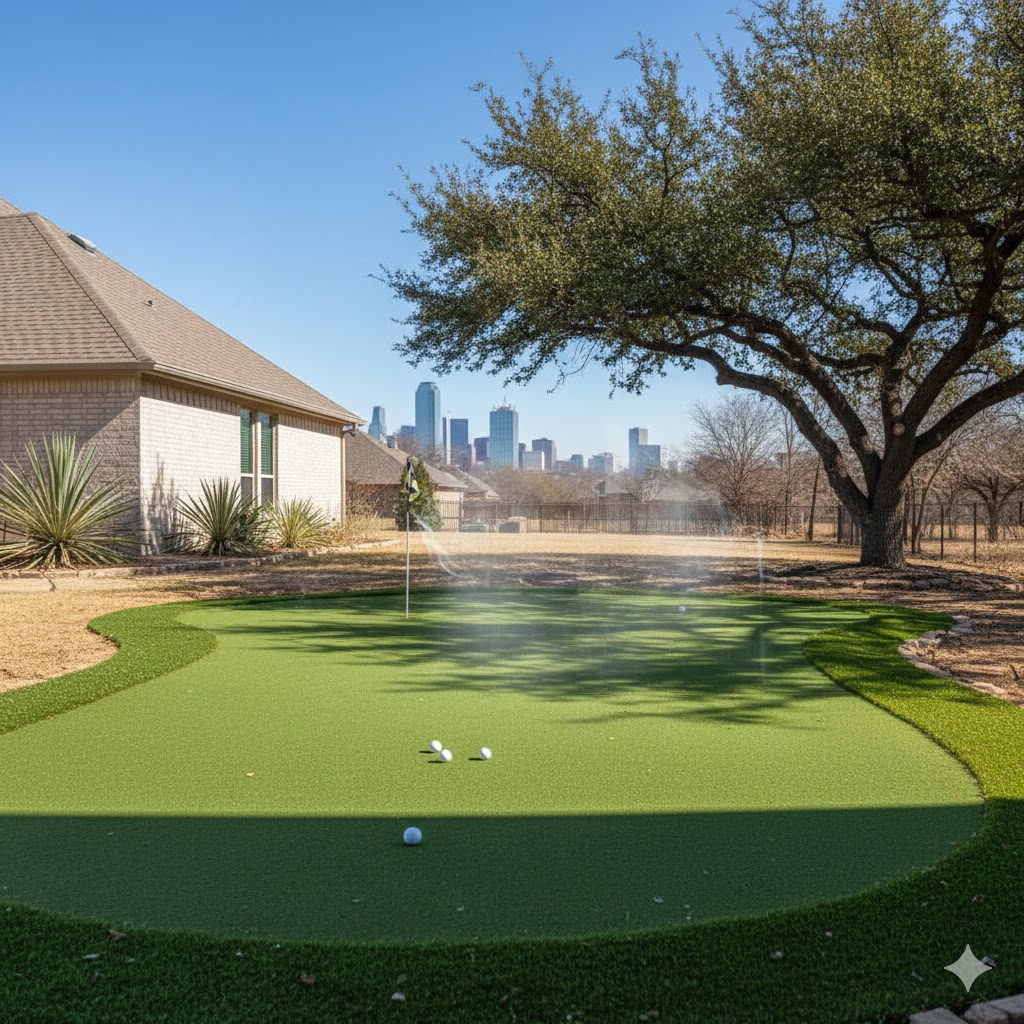
Dallas weather can be tough on outdoor projects — including putting greens included. Knowing how intense heat, sudden storms, and strong UV exposure affect artificial turf helps homeowners and businesses make smarter choices. This piece walks through Dallas-specific climate challenges, how they influence putting green performance, and why synthetic turf is often the practical, low-maintenance option. We also explain how Synthetic Grass DFW designs installations to handle local conditions so your green stays playable and attractive for years. Key topics include the benefits of artificial putting greens, design options, installation best practices, and answers to common climate-related questions.
What Dallas Climate Factors Most Affect Putting Green Performance?
Dallas brings several weather factors that matter for putting greens. The main issues we see are prolonged heat, heavy downpours, and intense sunlight (high UV). Recognizing these conditions is the first step to installing a green that performs well and lasts.
How Does Extreme Heat Affect Artificial Turf Durability in Dallas?
Extended high temperatures can change how turf materials behave. Heat may soften some fibers and speed wear if the products aren’t built for it. Modern turf, however, uses heat- and UV-stable fibers designed to resist that breakdown. We also use cooling strategies — like heat-reducing infill and UV-treated yarns — to lower surface temperatures and keep the green comfortable and consistent during hot months.
What Role Do Heavy Rains and Drainage Play in Putting Green Longevity?
Sudden or heavy rain can create problems if water isn’t moved away quickly. Good drainage prevents pooling, protects the turf backing, and keeps the surface playable. In Dallas, where intense storms can happen, well-designed drainage — proper base prep, grading, and permeable materials — is essential to protect your investment and avoid downtime after storms.
How Synthetic Grass DFW Adapts Putting Green Installs for Dallas Weather
At Synthetic Grass DFW, we tailor installations to local conditions. We combine proven materials with installation techniques chosen for Dallas’ heat and rainfall patterns so your green performs reliably year after year.
What Turf Technologies Improve Heat and UV Resistance?
We specify UV-stabilized fibers and choose infill systems that lower surface heat and retain performance. These material choices reduce fading, prevent premature wear, and help the turf maintain its texture and color longer — important when summers are hot and sunny.
How Are Drainage Systems Tuned to Dallas Soil and Weather?
Our drainage approach starts with a correctly built base: compacted layers, precise grading, and drainage-ready backings. We match those techniques to Dallas soil types and typical storm behavior so water moves through and away from the green fast, letting the surface dry and return to play quickly.
What Are the Main Benefits of Artificial Putting Greens in Dallas?
Artificial putting greens work well in Dallas for several practical reasons: consistent play, lower upkeep, and major water savings. These advantages make synthetic greens a smart choice for busy homeowners and businesses.
- Year-round playability: A synthetic surface stays predictable and usable across seasons, so you can practice or entertain without waiting on the weather.
- Low maintenance: No mowing, spot fertilizing, or constant watering — just occasional brushing and basic care to keep it looking and performing its best.
- Water savings: Artificial greens eliminate the need for routine irrigation, reducing water use and lowering utility costs in a region where conserving water matters.
If you’re considering a yard upgrade, requesting a free quote, from Synthetic Grass DFW is a good next step — we’ll review options and provide site-specific recommendations.
How Do Artificial Greens Deliver Year-Round Play and Low Upkeep?
Quality artificial greens are built to withstand rain, heat, and regular use without the seasonal downtime that natural turf can require. Their simple care routine — brushing, occasional rinsing, and infill checks — keeps them in play without the chores of mowing or watering.
What Water and Cost Savings Can Homeowners Expect from Synthetic Greens?
By eliminating the need for regular irrigation, synthetic putting greens lower water bills and support local conservation goals. Over time, the reduced maintenance and water costs often make them a cost-effective option compared with high-maintenance natural turf.
That said, it’s worth looking at research that compares artificial turf’s surface temperatures and water use to those of natural grass so you can weigh the trade-offs.
Artificial Turf vs. Natural Grass: Heat & Water Use
The literature notes higher surface temperatures on artificial turf and also highlights turf’s lower water needs compared with natural grass. The review raised safety questions, environmental effects, health considerations, and cost implications that are important to consider when choosing between surfaces.
Artificial Turf Versus Natural Grass: A Case Study of Environmental Effects, Health Risks, Safety, and Cost, 2025
How Can You Customize Putting Green Designs for Dallas Homes and Businesses?
Custom design helps your green fit the space and meet playing goals. We work with property size, landscape features, and use patterns to create a green that’s both attractive and functional for residential and commercial sites.
What Design Choices Work Best for Dallas Properties?
When planning a putting green, consider shape, size, hole placement, and how it integrates with the yard or campus. With thoughtful placement and contours, a green can be both visually appealing and well-suited to Dallas weather and site conditions.
How Do Custom Shapes, Sizes, and Contours Boost Performance?
Contours and subtle slopes create interesting putts and help surface drainage. Custom sizes let you balance challenge and space use, and tailored construction keeps maintenance simple while improving playability.
What Installation Practices Help Putting Greens Withstand Dallas Weather?
Good installation is the foundation of long-term performance. Following best practices in base work, grading, and material selection reduces weather-related problems and keeps the green stable over time.
How Does Proper Base Preparation Improve Longevity?
A stable, well-graded base prevents settling and keeps the surface true. That work — soil compaction, proper grading for water flow, and a solid bedding layer — avoids unevenness and extends the life of the installation.
What Materials and Infill Options Help Manage Heat?
Choosing the right infill (coated sands, cooling infills, or engineered blends) and light-stable yarns helps reduce surface heat. These material choices keep the green more comfortable in summer and preserve performance for years.
What Questions Do Dallas Homeowners and Businesses Ask About Climate Resilience?
We often hear the same practical questions from local clients. Addressing them up front helps you pick the right system for your climate and use case.
How Hot Can Artificial Turf Get in Dallas — and How Do You Manage It?
In direct sun, turf surfaces can reach very high temperatures — sometimes over 150°F (65°C). You can reduce heat with lighter-colored fibers, heat-reducing infill, shade features, and occasional wet-downs. Proper product selection and installation also make a big difference in everyday comfort and safety.
Research underlines the need to understand and reduce heat stress on artificial turf surfaces.
Artificial Turf Heat Flux & Thermal Performance
Artificial turf fields have become more common than natural turf in many settings. High material and air temperatures on these surfaces can pose heat-stress risks to users, underscoring the importance of understanding thermal behavior and implementing mitigation strategies.
Intense summer heat fluxes in artificial turf harm people and the environment, CY Jim, 2017
Do Artificial Greens Need Special Drainage for Dallas Weather?
Yes. In Dallas conditions, well-planned drainage is critical. Proper base layers, slope design, and permeable components make the difference between a green that drains quickly and one that sits wet after storms.
Frequently Asked Questions
What maintenance is required for artificial putting greens in Dallas?
Artificial putting greens are low-maintenance but not maintenance-free. Regular brushing keeps fibers upright, occasional rinsing clears dust and pollen, and periodic infill top-ups maintain play characteristics. After heavy rain, check drains and the surface for any debris. These simple tasks keep your green looking and performing well.
How does the installation process differ for residential versus commercial putting greens?
Scale and usage drive the differences. Residential installations prioritize appearance and family use; commercial installs focus on durability for high foot traffic and frequent play. Commercial projects often include heavier-duty bases and drainage to withstand constant use.
What are the environmental impacts of installing artificial putting greens?
Artificial greens use substantially less water than natural turf, which is a major environmental plus in drought-prone areas. On the other hand, synthetic materials have production and end-of-life impacts to consider. Choosing high-quality, recyclable products and following responsible installation practices helps reduce negative effects.
Can artificial putting greens be installed in shaded areas?
Yes — but shaded sites dry more slowly and can encourage surface growth like moss if debris accumulates. Good drainage and routine cleaning prevent issues, and UV-stable materials maintain appearance even with limited sun exposure.
What is the lifespan of artificial putting greens in Dallas?
With proper materials, installation, and basic maintenance, a synthetic putting green usually lasts 15 to 20 years. Heavy use, product choice, and upkeep influence where a specific installation will fall in that range.
Are there any health concerns associated with artificial turf?
Some studies and conversations have raised questions about chemicals and potential risks. Today many manufacturers produce turf meeting safety standards and reducing harmful substances. It’s important to select reputable products and installers who can document safety and maintenance recommendations.
Conclusion
Dallas weather makes thoughtful design and installation essential for a putting green that performs and lasts. By choosing suitable materials, smart drainage, and experienced installers, you get a durable, low-maintenance green that saves water and delivers consistent play. For a site-specific plan and a free consultation, reach out to Synthetic Grass DFW — we’ll help you find the right solution for your space.