
Artificial Grass for Dallas–Fort Worth Commercial Properties: Choosing the Right Durable and Low-Maintenance Turf Solution for Every Business
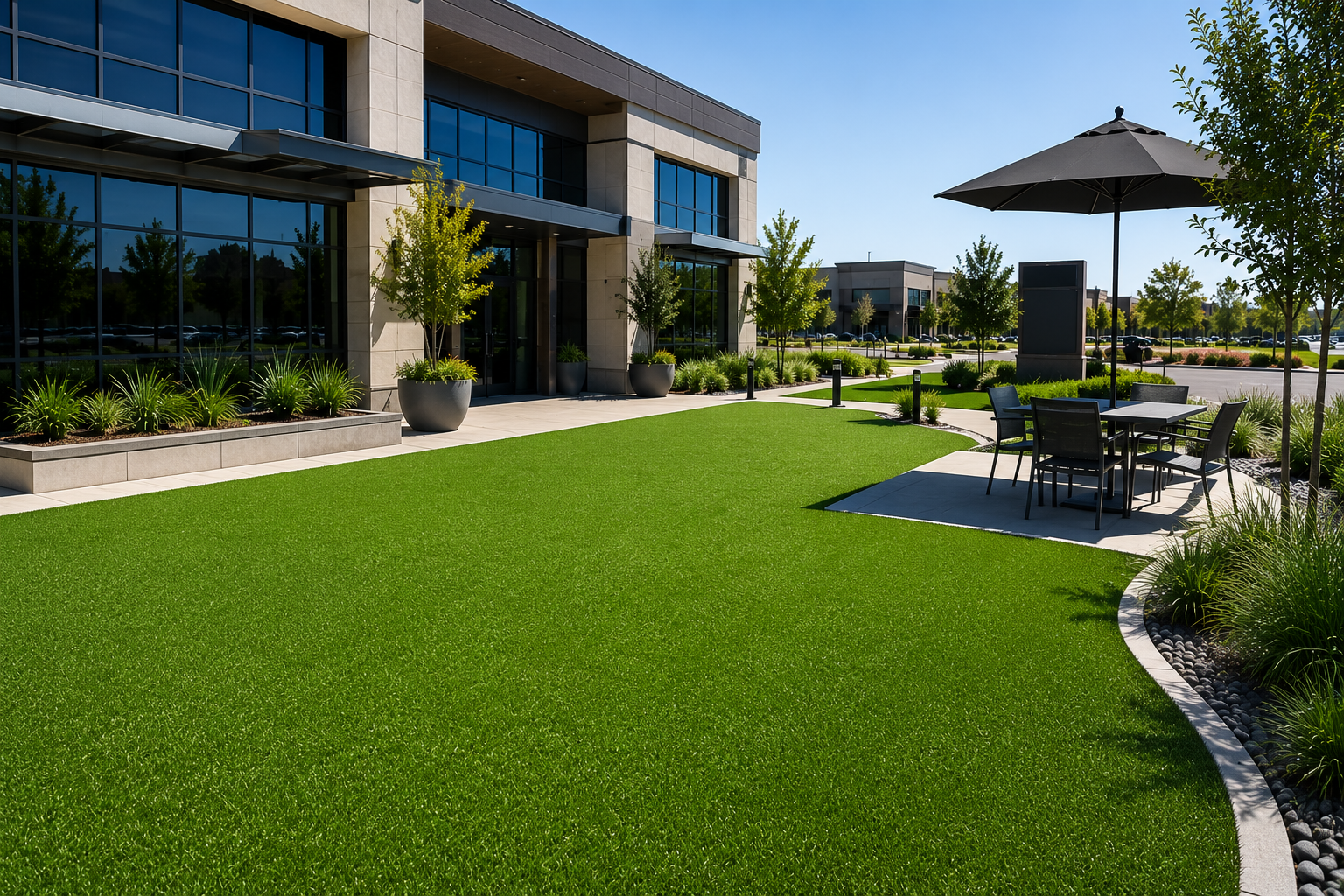
Advances in synthetic turf have made artificial grass a practical, high-value choice for commercial properties across Dallas–Fort Worth. Businesses contend with maintenance costs, local water restrictions, and heavy foot traffic; well-specified turf addresses each concern. This article outlines the benefits, cost considerations, environmental gains, material attributes, installation steps, and customization options, enabling decision-makers to assess suitability and long-term value.
Benefits
Artificial grass delivers clear advantages for commercial sites, including reduced ongoing costs, consistent durability under heavy use, and lower environmental impact. The following points summarise the primary benefits and why they matter to property owners and managers.
- Cost Savings: Installing artificial grass yields significant long-term savings by reducing maintenance costs and eliminating the need for regular watering and mowing.
- Durability: Synthetic turf is designed to withstand heavy traffic and maintain its aesthetic appeal year-round, making it ideal for bustling businesses.
- Environmental Impact: The use of artificial grass helps conserve water and minimizes the need for chemical treatments, contributing to a more sustainable landscaping solution.
These advantages support improved curb appeal and stronger financial returns for commercial property owners. Companies such as Synthetic Grass DFW, based in the Dallas–Fort Worth metroplex, provide installation services for both commercial and residential projects. For full service details and product options, visit Synthetic Grass DFW.
Cost-Effectiveness
Assessing the financial case requires weighing upfront installation against predictable operating savings. Proper analysis factors include installation, reduced irrigation and maintenance, and the turf’s expected service life to determine payback and return on investment.
- Initial Costs vs. Long-Term Savings: While the upfront investment might be higher than traditional grass, the ongoing maintenance costs of artificial grass are significantly lower.
- Maintenance Cost Comparison: Maintenance includes costs for irrigation, mowing, and fertilization, which are eliminated with synthetic turf.
- Value Retention: Artificial grass often enhances the value of the property, providing a return on investment as landscape quality improves.
The table below summarises key financial factors to help stakeholders compare traditional lawns with synthetic options for commercial applications.
| Cost Aspect | Traditional Grass | Artificial Grass |
|---|---|---|
| Installation Cost | $ | $$ |
| Annual Maintenance | $$ | Minimal (cleaning, occasional infill) |
| Lifespan | 7-10 years | 15-25 years |
This financial comparison highlights how lower operating costs and extended lifespan make synthetic turf a sound investment for many commercial properties.
This perspective aligns with broader economic analyses of artificial turf’s commercial benefits, particularly in settings requiring consistent upkeep.
Artificial Turf’s Commercial Cost-Benefit in Sports
Artificial turf introduced for domes was installed in many commercial activities in cities to replace lost tax revenue, with objective vetting of cost-benefit estimates, though political considerations influenced decisions.
The economics of stadium subsidies: A policy retrospective, JC Bradbury, 2023
Environmental Advantages
Artificial grass reduces municipal water use and limits chemical inputs, delivering measurable environmental benefits for commercial landscapes. Its durability also reduces material consumption associated with repeated replanting or turf replacement.
- Water Conservation: Synthetic grass significantly reduces water use, making it a more sustainable option in drought-prone areas with water restrictions.
- Reduction of Chemical Use: By eliminating the need for fertilizers and pesticides, businesses can significantly decrease their ecological footprint.
- Durability: The longevity of artificial turf means fewer resources are needed for replacements, thus reducing overall resource consumption.
When specified and installed correctly, synthetic turf provides a practical, lower-impact alternative to traditional lawns while meeting functional needs for commercial sites.
Material Qualities
Material selection determines performance and lifecycle costs. High-quality fibers, UV stabilization, appropriate face weight, and suitable infill combine to deliver resilience, color retention, and comfort during frequent use.
- Durability Characteristics: Synthetic grasses are crafted to withstand a variety of weather conditions and heavy use.
- Resistance to UV and Weather Elements: High-quality turf resists fading and shrinking, maintaining its appearance over time.
- Variety of Textures and Finishes: Businesses can choose among various textures to match the specific aesthetics of their properties.
What Material Qualities Define the Best Artificial Turf for Commercial Properties?
Prioritize fibers and construction designed for commercial loads: higher face weight, strong backing, effective drainage, and UV-resistant materials. These specifications extend usable life and reduce the total cost of ownership.
- Importance of Durability: Choosing turf with a high face weight enhances performance and longevity, especially for commercial use.
- Face Weight Impact: A higher face weight typically correlates with a more resilient product, capable of withstanding regular foot traffic without losing its integrity.
These qualities ensure the selected turf withstands daily use and retains appearance and function over time, meeting the demands of busy commercial environments.
Installation Process
Installation follows a defined sequence: site assessment, sub-base preparation, drainage and grade work, turf placement, infill and compaction, then final inspection. Each phase affects performance and warranty eligibility, so professional execution is essential.
- Step-by-Step Guide: The process typically begins with site evaluation, followed by ground preparation, turf laying, and final touches, ensuring a professional finish.
- Customization Options: Each installation can be tailored to meet the specific needs of different businesses, including choices in turf type and infill materials.
- Quality Assurance Measures: Post-installation checks ensure the grass lies properly and meets all aesthetic standards, resembling a well-groomed natural lawn.
Thoughtful planning and precise installation ensure the finished landscape performs reliably and meets the aesthetic and functional expectations of the client.
How Does Synthetic Grass DFW Ensure Quality and Longevity Through Expert Installation?
Engaging a specialist such as Synthetic Grass DFW delivers documented installation protocols, material selection guidance, and post-installation checks that preserve product performance and warranty coverage.
How Do Commercial Properties Benefit Financially from Installing Synthetic Grass in Dallas–Fort Worth?
Commercial properties realize savings through reduced irrigation, lower maintenance expenses, and less frequent replacement cycles. Case studies show these savings often translate into improved asset presentation and higher customer engagement.
What Is the Cost Range and Return on Investment for Commercial Turf Installation?
Typical installation ranges from $5.00 to $10.00 per square foot. Owners recover costs via lower utility bills and maintenance budgets; in many cases, the payback period is shortened by decreased operating expenses. For specialized installations such as putting greens, the functional and aesthetic value can further enhance return.
How Does Low-Maintenance Landscaping Impact Operational Budgets for Commercial Clients?
Low-maintenance turf reduces recurring line items for irrigation, mowing, and chemical treatments, freeing budget for core operations or capital improvements while lowering unpredictable landscaping costs.
What Maintenance and Warranty Options Support Commercial Artificial Grass in Dallas–Fort Worth?
Routine maintenance is limited and focused: debris removal, periodic brushing, and occasional infill replenishment. Reputable installers commonly offer warranties in the 8–15 year range, providing coverage for material defects and significant degradation under normal use.
What Routine Maintenance Is Required to Preserve Synthetic Turf Quality?
Maintain turf with light brushing to lift fibers, routine debris removal, and annual inspections to verify drainage and seam integrity. These simple tasks help sustain appearance and performance over the product’s life.
What Warranty Coverage Should Businesses Expect from Durable Synthetic Turf Products?
Expect manufacturer and installer warranties that typically span 8 to 15 years, addressing issues such as excessive fading or material failure under normal conditions and thereby protecting the investment.
What Do Case Studies Reveal About Synthetic Grass Success for Dallas–Fort Worth Businesses?
Local case studies report improved visual appeal, lower maintenance costs, and increased customer footfall after conversion to synthetic landscaping—outcomes that support the financial and operational rationale for installation.
How Have Local Commercial Properties Transformed Their Landscapes with Artificial Grass?
Properties that adopted artificial grass experienced visible upgrades in presentation and reduced labor requirements. These transformations often lead to more consistently maintained exterior spaces and lower ongoing landscape expenses.
What Lessons Can Businesses Learn from Experienced Synthetic Grass Installations in DFW?
Experienced projects demonstrate the importance of correct product specification, professional installation, and scheduled upkeep. For project consultations or detailed estimates, contact us via the contact us page.
Frequently Asked Questions
What are the key differences between artificial grass and natural grass in commercial settings?
Artificial grass differs from natural turf in maintenance demands, longevity, and water use. Synthetic turf eliminates the need for mowing, irrigation, and regular chemical treatments, and it resists heavy traffic wear. Natural grass requires ongoing care and is more vulnerable to weather and overuse.
How can businesses customize artificial turf for their specific needs?
Businesses can specify pile height, fiber type, color tone, and infill to meet aesthetic and functional objectives. Selection of these variables tailors performance for uses such as high-traffic walkways, play areas, or decorative landscaping.
Is artificial grass suitable for all types of commercial properties?
Artificial grass is suitable for many commercial environments—retail, office courtyards, hospitality, recreation, and sports facilities—provided the product selection matches traffic levels, drainage requirements, and design goals.
What are the environmental benefits of installing artificial grass?
Key environmental benefits include significant reductions in irrigation demand and elimination of routine fertilizers and pesticides, which in turn lower chemical runoff and resource consumption over the turf’s extended service life.
How does the lifespan of artificial grass compare to that of natural grass?
With appropriate specification and maintenance, synthetic turf typically lasts 15–25 years, while natural grass often requires substantial renewal or replacement within 7–10 years, depending on use and climate.
What is the process for transitioning from natural grass to artificial grass?
Transition begins with sod removal and site grading, followed by installation of a stable base and drainage layer, then turf placement, infill, and finishing. Professional installers ensure correct drainage and compaction to protect long-term performance.
Can artificial grass be used in shaded areas, and how does this affect its performance?
Artificial grass can be used in shaded locations, but product choice and site ventilation are important to reduce moisture retention and the risk of mould. UV resistance remains relevant to color stability under varied lighting conditions.
Conclusion
Choosing artificial grass delivers measurable benefits: lower operating costs, improved durability, and reduced environmental impact. When specified and installed correctly, synthetic turf provides a durable, attractive landscape solution that supports long-term value. To discuss design options and professional installation, visit Synthetic Grass DFW.


