
Artificial Grass Installation Across the DFW Metroplex: What Property Owners Should Know
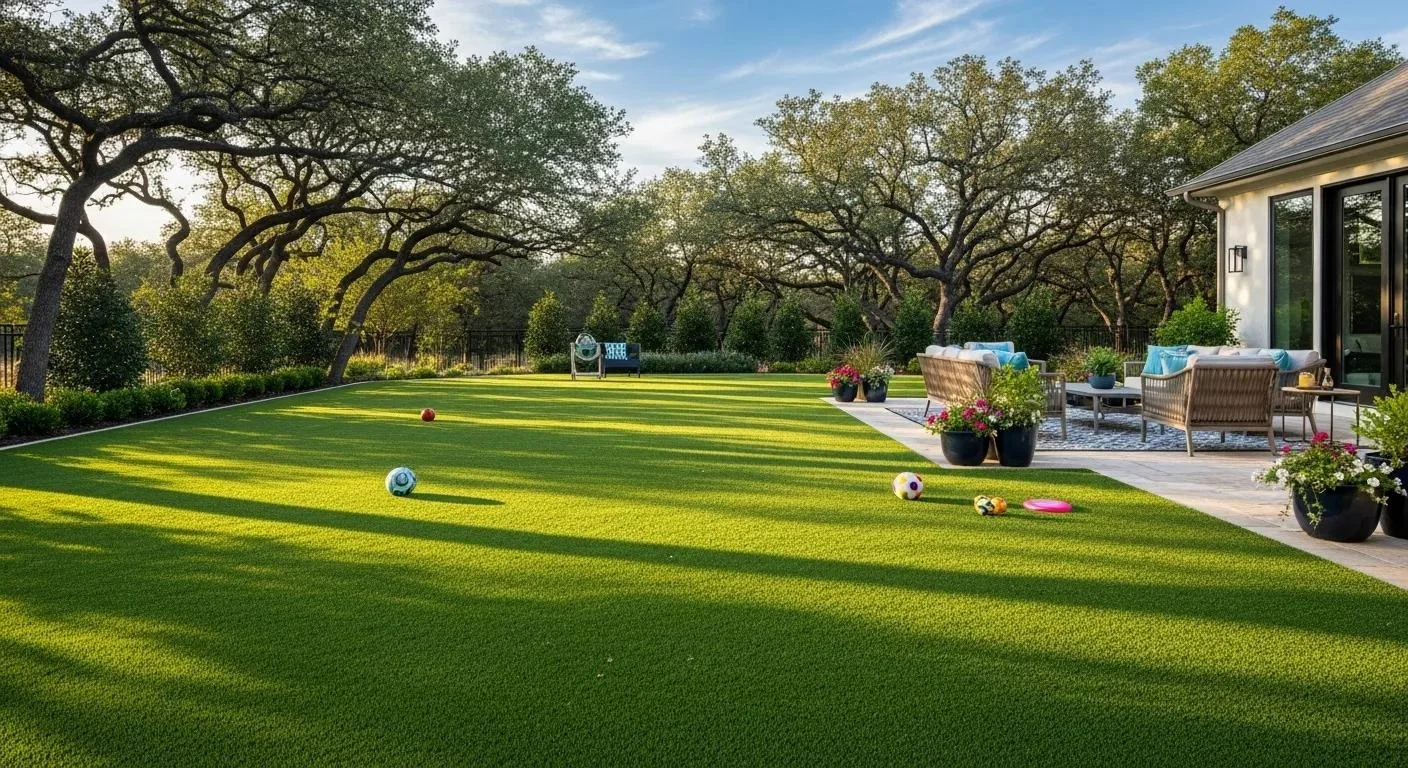
Artificial grass installation is a common choice for property owners across the Dallas–Fort Worth (DFW) Metroplex. It provides a durable, low‑maintenance alternative to natural lawns. This guide explains the benefits, installation steps, maintenance requirements, and cost considerations of synthetic turf. Knowing these details helps you decide whether artificial grass is right for your property. Given DFW’s climate, synthetic turf can reduce water use and lower ongoing upkeep.
Synthetic turf’s growing adoption across North America reflects its increasing relevance. Ongoing research continues to refine product design and maintenance practices.
Synthetic Turf Design, Maintenance & Installation Trends
Approximately 6,000 synthetic turf installations exist in North America, with about 1,000 to 1,500 added annually. This article reviews the history and science of turf design, typical maintenance practices, and athlete safety considerations.
Synthetic turf: history, design, maintenance, and athlete safety, AS McNitt, 2019
Benefits of Synthetic Grass
Synthetic grass offers several practical advantages for property owners and is a strong landscaping option.
- Low Maintenance Requirements: Unlike natural grass, synthetic turf requires minimal upkeep, eliminating the need for mowing, watering, and fertilizing. This allows property owners to enjoy a beautiful lawn without the time and effort typically associated with traditional grass care.
- Water Conservation Benefits: In a drought-prone region, artificial grass significantly reduces water use, making it an eco-friendly choice. Property owners can contribute to water conservation efforts while maintaining a lush, green landscape.
- Durability and Aesthetic Appeal: Designed to withstand heavy foot traffic, synthetic turf maintains its appearance and functionality over time. It provides a consistently green and manicured look, enhancing the overall aesthetic of any property.
For many property owners, the primary reason to choose artificial turf is its measurable contribution to water conservation and supply resilience.
Beyond the core benefits listed above, artificial turf is highly adaptable to different landscape styles and microclimates. Modern turf systems are available in a variety of pile heights, fiber textures, and color blends, making it possible to match formal front yards, informal play areas, roof decks, and shaded courtyards. Homeowners with pets or allergy concerns often prefer synthetic surfaces because they eliminate pollen-bearing grasses and reduce mud. In tighter urban lots, turf can create usable green space where maintaining natural grass would otherwise be impractical.
Artificial Turf for Water Savings & Supply Resilience
Most discussions about turfgrass focus on irrigation-related water savings. In many cases, replacements such as woodchips, gravel, bare soil, or artificial turf can enhance water-supply resilience.
Removal of turfgrass for water supply resilience, MD Dukes, 2025
If you’re considering artificial grass, providers such as Synthetic Grass DFW offer professional services to deliver a high‑quality result.
Installation Process

Installing synthetic grass follows several key steps to ensure a durable, long‑lasting result.
- Site Preparation: The first step is to remove existing grass and debris and ensure proper grading for drainage. This foundational work is crucial for the longevity of the turf.
- Base Layer Installation: A stable, well-draining base material is laid to support the turf. This layer is essential for preventing water pooling and ensuring the turf remains intact under various weather conditions.
- Final Touches: After laying the turf, it is brushed to ensure the fibers stand upright, and any seams or edges are secured. This attention to detail enhances the overall appearance and durability of the installation.
A typical installation timeline depends on site size and complexity. Generally, it follows a clear sequence: site survey and measurement, removal and grading, base construction and compaction, turf layout and seeding, infill application and brushing, and final inspection. For a standard residential yard, the work can often be completed within a few days when crews have clear access and the weather is cooperative. Larger or more complex jobs that require retaining walls, drainage re-routing, or irrigation adjustments can take longer.
Prepare for the crew by clearing heavy furniture, ensuring driveway access for equipment, and confirming the locations of utility lines. When drainage is a concern, installers commonly incorporate a permeable base, subsurface drains, or slope adjustments to direct water away from structures. Edge restraint systems and proper adhesive or mechanical fastening at borders reduce the risk of lifting and keep seams tight. Discuss warranty terms, projected completion time, and site protection measures with your provider before work begins to avoid surprises.
Maintenance Requirements

Synthetic grass is straightforward to maintain and requires less effort than traditional lawns.
- Regular Cleaning and Brushing: Property owners should remove debris and rinse areas, especially where pets frequent, to control odors. Regular brushing helps maintain the fibers’ upright position, ensuring a natural look.
- Infill Maintenance: Periodically checking and replenishing infill material is necessary to ensure optimal performance. This helps maintain the turf’s cushioning and stability.
- Seasonal Inspections: Conducting seasonal inspections helps property owners identify issues early, ensuring the turf remains in excellent condition year-round.
Establishing a simple maintenance schedule keeps turf performing well: a weekly or biweekly light sweep to remove leaves and debris, a monthly check of high-traffic zones and seams, and an annual inspection that includes compaction checks and infill top-ups. In areas with heavy pet use, rinse and sanitize more frequently and consider enzymatic cleaners formulated for outdoor turf. Brushing frequency depends on pile height and traffic — higher piles may need more frequent grooming to avoid matting.
Common issues such as surface odor, localized flattening, or small stains are generally manageable with routine care. For spills, remove solids first, rinse the area with water, and use a mild detergent if needed; avoid harsh solvents that could damage the backing or color. If an area becomes compacted, a power broom or stiff nylon brush can lift fibers and redistribute infill. When replacing infill, follow the manufacturer’s recommendations for material type and depth to preserve cushioning and drainage.
Cost Considerations
Knowing the costs of synthetic grass installation is essential for property owners planning a project.
- Installation Costs: Typically, installation costs range from $ to $$ per square foot, depending on the type of turf, site preparation, and project complexity. This investment can vary based on individual project needs.
- Long-Term Savings: While the initial investment may be higher than natural grass, synthetic grass can lead to significant savings on water bills and maintenance over time. This makes it a financially sound choice for many property owners.
- Free Estimates Offered: Companies like Synthetic Grass DFW provide free site evaluations and detailed quotes tailored to specific projects. This service helps property owners understand the financial commitment involved before proceeding.
| Cost Factor | Description | Estimated Value |
|---|---|---|
| Installation Costs | Cost per square foot for installation | $$$ |
| Long-Term Savings | Savings on water and maintenance | Varies by usage |
| Free Estimates | Cost evaluation service | Available |
The financial factors show that synthetic grass can be a cost‑effective option for property owners in the DFW area.
Choosing artificial versus natural grass requires weighing environmental impact, health implications, and long‑term costs.
When evaluating return on investment (ROI), consider the cumulative savings from water, fertilizer, mowing, and irrigation repair costs over the expected service life of the turf. Warranties commonly cover manufacturing defects and, in some cases, limited wear for several years; review warranty scope carefully for details about UV stability, drainage performance, and pile loss. Financing and phased installations are options some homeowners use to spread costs. Ask potential installers for sample warranty documents and references from recent local projects so you can compare real outcomes.
Material differences—such as face weight, pile height, fiber composition, and backing type—affect both upfront price and long-term performance. Higher face weight and denser construction generally improve durability but increase cost. Discuss intended use (e.g., heavy play, pets, or decorative areas) so the installer can recommend a product that balances upfront expense with expected longevity and comfort.
Selecting a qualified installer is as important as choosing the right turf. Choose companies that provide a clear written scope of work, timeline, base specifications, drainage plan, and a final inspection checklist. Good installers will explain site-preparation needs, provide references, carry appropriate insurance, and obtain permits when required. Before signing, request details on any subcontracted labor, the warranty process, and aftercare instructions to ensure you know what to expect post-installation.
Artificial vs. Natural Grass: Environmental, Health & Cost Considerations
The debate over artificial and natural grass has intensified among sports advocates and athletes. The increased interest reflects concerns about environmental conservation, health, and rising costs. Research indicates the best choice depends on specific needs; each surface has distinct advantages and disadvantages.
The Cost of a Playing Surface: Artificial Turf Versus Natural Grass, 2025
If you want to enhance leisure areas, installing putting greens can be an excellent addition.
Frequently Asked Questions
What types of synthetic grass are available for installation?
Several types of synthetic grass are available for different applications. Landscape turf suits residential lawns, pet turf includes drainage for animal areas, and sports turf is engineered for performance and durability. Choose the product that matches the intended use to ensure optimal results.
How long does synthetic grass last?
Quality synthetic grass typically lasts 15 to 25 years, depending on use, maintenance, and local conditions. Regular cleaning and infill replenishment extend service life. Proper installation by a reputable company also contributes to longevity.
Is synthetic grass safe for children and pets?
Synthetic grass is generally safe for children and pets. Most products use non‑toxic materials and feature drainage to manage waste and odors. Selecting high‑quality turf that meets safety standards ensures a safe play environment.
Can synthetic grass be installed over existing grass?
While possible, installing synthetic grass over existing sod is not recommended. Proper site preparation—removing turf and debris and building a stable, well‑drained base—is essential to prevent pooling and uneven surfaces.
What maintenance is required for synthetic grass?
Maintenance is simpler than for natural lawns. Remove debris regularly, rinse pet areas, and brush fibers upright. Periodically check and replenish infill. Seasonal inspections help catch issues early and keep the turf performing well.
How does synthetic grass impact property value?
Synthetic grass can enhance property value by improving curb appeal and reducing maintenance costs. A well‑installed and maintained artificial lawn presents a tidy landscape that appeals to buyers. Water‑saving benefits and lower upkeep are additional selling points.
Additional practical tips: consider placing gravel transition strips or decomposed granite at high-traffic entries to reduce tracked-in debris. For rooftop or balcony installations, verify load limits and confirm that the chosen turf system includes a fully permeable base or tray solution compatible with the structure. If you plan to combine hardscape features like patios or raised beds, discuss edge details with your installer so transition areas look intentional and drain correctly.
Conclusion
Synthetic grass offers a practical, low‑maintenance option for homeowners in the DFW area. It combines aesthetic appeal with environmental benefits. By understanding the advantages, installation process, maintenance requirements, and costs, you can make an informed decision about adding artificial turf to your landscape.
If you have questions or need personalized advice, you can contact us for expert guidance.


