
Best Artificial Grass for Dogs vs. Natural Grass in Dallas: Which Is Better for Everyday Life?
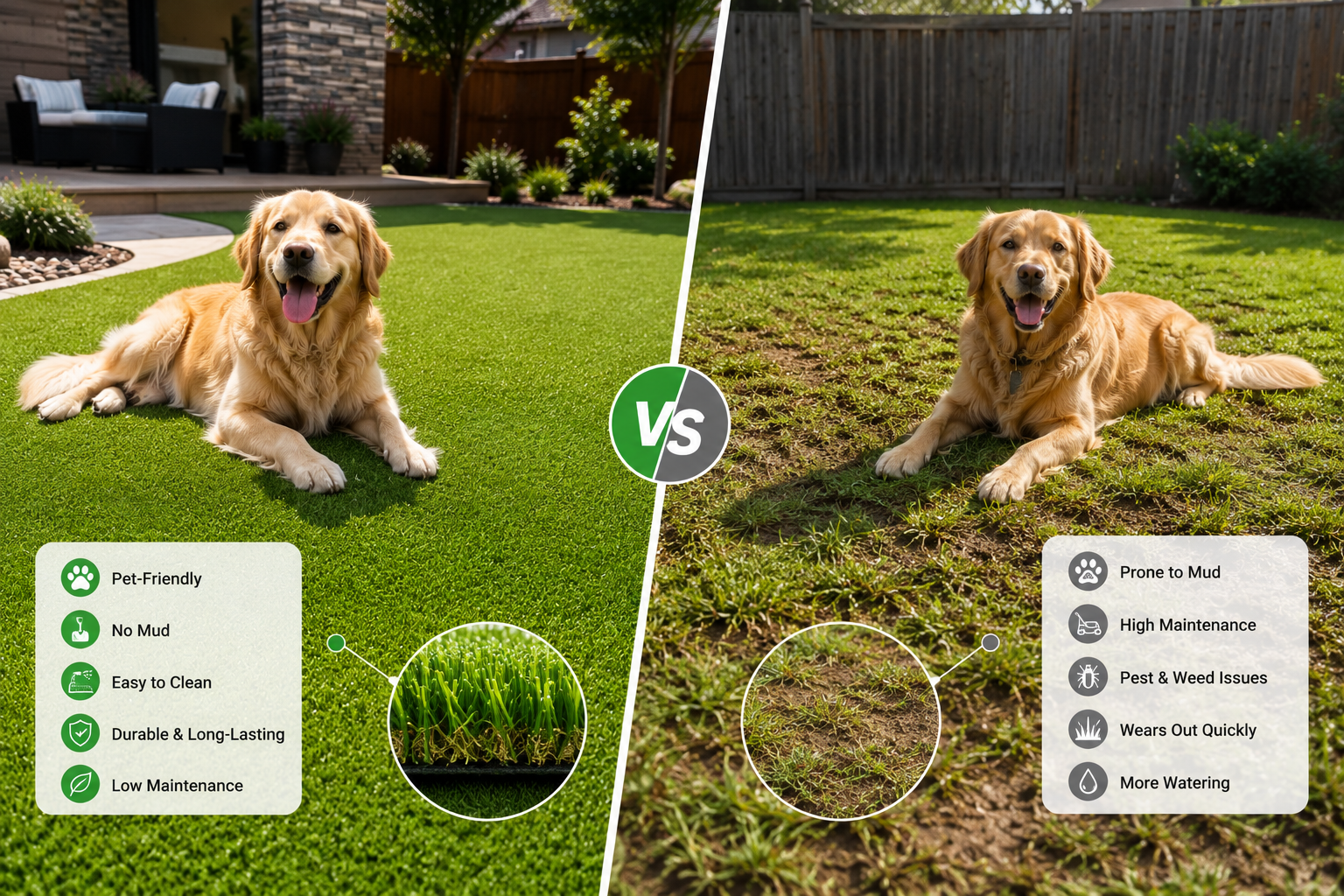
Selecting the right turf for pets is central to a safe, comfortable outdoor environment. In Dallas, pet owners must compare artificial and natural grass across maintenance, cost, and health implications to choose the solution that best meets their lifestyle and their dog’s needs. This guide compares durability, comfort, environmental impact, and appearance, and highlights how the correct choice functions as a long‑term investment in your dog’s well-being. For professional options and guidance, visit Synthetic Grass DFW.
Overview of Options
Homeowners evaluating turf for dogs typically consider either natural grass or artificial turf. Artificial surfaces are manufactured from synthetic materials and require substantially less routine care. Key advantages include resistance to wear from dog activity, a consistently green appearance, and the elimination of routine pesticide and fertilizer use. Natural grass offers a familiar look and a texture many dogs enjoy, but it requires ongoing watering, mowing, and inputs to remain healthy. This overview frames a detailed comparison for pet owners weighing both approaches.
Synthetic Grass DFW specializes in installing high‑quality turf systems; their installation experience helps homeowners convert to pet‑friendly synthetic lawns with professional oversight.
Maintenance
A clean, sanitary yard is essential for pet health. Artificial turf requires minimal routine care: no mowing, no regular irrigation, and no fertilizers, which reduces both time and ongoing upkeep. Turf systems are engineered to resist stains and control odors, simplifying cleaning after pet use.
Natural grass requires consistent maintenance to stay pet‑friendly. Routine mowing, irrigation to prevent brown patches, and periodic application of fertilizers and pesticides are typical; these inputs can introduce chemicals that affect both pets and the local environment. Understanding these maintenance demands is key when selecting between turf types.
Cost
Initial costs for artificial grass vary with product quality and project size. Premium turf commonly ranges from $ to $$ per square foot, with professional installation adding to the upfront investment. Once installed, artificial turf removes recurring expenses for irrigation and fertilization.
Conversely, natural grass incurs ongoing costs that accumulate over time. Regular watering, mowing, pest control, and fertilizer applications can add up to several hundred dollars per year. Over multiple years, these recurring expenses can exceed the one‑time cost of installing artificial turf. For professional installation and estimates, consult the services at Synthetic Grass DFW.
| Grass Type | Initial Cost Range | Ongoing Annual Cost | Durability |
|---|---|---|---|
| Artificial Grass | $ | $ | High |
| Natural Grass | $$ | $$$ | Moderate |
The table underscores the long‑term financial advantages of investing in artificial turf for lasting value.
Durability
Durability is critical for pet owners, since dogs produce heavy foot traffic and vigorous play. Artificial turf is engineered to withstand rough use and retain its appearance under sustained activity. High‑quality materials resist abrasion and maintain uniform coverage, ensuring the landscape remains visually consistent year‑round.
Natural grass is prone to compaction, wear, and bare patches in high‑use areas; these conditions can lead to mud and uneven surfaces that are less suitable for pets. For households with active dogs, the resilient construction of artificial turf is a decisive advantage.
Health Implications for Pets
Artificial turf is manufactured from non‑toxic materials and provides a controlled surface for pets to play on. These systems reduce exposure to pests and to chemicals commonly used on natural lawns, such as herbicides and insecticides, which can present risks to animal health.
Research supports that well‑installed artificial turf can reduce harmful exposures for pets, contributing to a safer, more predictable outdoor environment.
Artificial Grass: Safety, Environment, and Pet Impact
This review evaluates the safety and environmental implications of artificial grass with particular attention to families and pets. It synthesizes multiple studies to present a balanced assessment of health, safety, and ecological considerations, emphasizing chemical composition, physical safety across applications, and sustainability. Safety and Environmental Benefits of Artificial Grass: A Research Review
Natural grass can harbor ticks, fleas, and other pests, and the fertilizers and pesticides used to maintain it may be hazardous if ingested or come into contact with sensitive skin. When comparing options, artificial turf can provide a more controlled surface that reduces these exposures.
Comfort and Aesthetics
Artificial turf delivers a consistently lush, green appearance that remains visually appealing year-round. Modern synthetic surfaces are designed to mimic the texture of natural grass, creating a comfortable play area for pets while avoiding brown spots and bare areas.
Natural grass offers an organic feel that many homeowners and pets prefer, but during hot summer months, it can become dry and uncomfortable for animals, creating potential heat‑related concerns. The reliable appearance and consistency of artificial turf make it an attractive option in climates like Dallas.
Environmental Considerations
From an environmental standpoint, artificial turf supports water conservation. In drought-prone regions such as Texas, replacing irrigated lawns with synthetic turf can significantly reduce outdoor water use and lower household water expenses.
Studies show that artificial turf is often perceived as more sustainable because it reduces reliance on inputs such as irrigation and herbicides.
Artificial vs. Natural Turf: Sustainability Perceptions
Turfgrass lawns supply urban green space and ecosystem services, but they often require substantial inputs like water and herbicides that, if poorly managed, can harm ecological systems. Artificial turf has been adopted in some cities as an alternative that eliminates certain inputs used in traditional lawns.
‘ Greenness’ in the Eye of the Beholder: Comparing Perceptions of Sustainability and Well-being Between Artificial and Natural Turfgrass, MR Barnes, 2022
Natural lawns can support local ecosystems but require considerable water and chemical inputs; runoff from maintenance can affect waterways and wildlife. An environmentally informed decision should weigh artificial turf’s reduced resource needs against the ecological role of natural turf.
Overall, sustainable landscaping strategies increasingly favor artificial turf for its lower resource use and predictable performance. For specialized installations, such as putting greens, review options like putting greens.
Frequently Asked Questions
1. How does artificial grass feel compared to natural grass?
Synthetic turf is engineered to replicate the texture of natural grass and provide a comfortable surface for pets and people. Quality products use soft, resilient fibers that feel inviting underfoot. While some dogs may initially favor natural grass, most adapt quickly; selecting higher‑quality turf improves comfort and acceptance.
2. Is artificial grass safe for pets to play on?
Yes. Most modern artificial turf products are manufactured from non‑toxic materials and are designed to withstand pet activity. When professionally installed and routinely cleaned, synthetic turf provides a safe, durable surface for pets.
3. How can I clean artificial grass after my dog uses it?
Cleaning synthetic turf is straightforward. Remove solid waste with a scoop or bag, rinse areas used for liquid waste with water, and treat persistent odors with a water‑and‑vinegar solution followed by rinsing. Regular cleaning preserves hygiene and extends the surface’s usability.
4. Will dogs dig or chew on artificial grass?
Dogs are generally less likely to dig or chew on artificial turf than on natural grass, as the synthetic texture and lack of scent provide less incentive. Some animals may still dig when bored or anxious; addressing behavioral needs through exercise and enrichment can reduce such activity.
5. What is the lifespan of artificial grass?
Artificial turf typically lasts 15 to 25 years, depending on material quality, installation standards, and maintenance practices. Adhering to the manufacturer’s care recommendations helps protect this long‑term investment.
6. Can artificial grass be recycled?
Yes. Many turf products can be recycled, and manufacturers and recyclers are developing processes to reclaim synthetic materials. When replacing turf, consult local recycling centers or the manufacturer to ensure responsible disposal.
7. Does artificial grass heat up in the sun?
Artificial turf can become warmer than natural grass in direct sunlight because it lacks the cooling effects of live vegetation. Some modern products include cooling technologies to reduce surface temperatures; where heat is a concern, provide shaded areas or sun protection for pets during peak hours.
Conclusion
Choosing the appropriate grass type affects your pet’s comfort, safety, and the long‑term cost of owning a yard. Both synthetic and natural lawns offer distinct advantages—from the low upkeep and durability of artificial turf to the organic feel of natural grass. By assessing durability, maintenance, and health implications, you can select the solution that best supports your household. For expert installation and tailored recommendations, contact Synthetic Grass DFW today.


