
Landscaping Services in Dallas: Combining Artificial Grass With Hardscape for Complete Outdoor Transformation
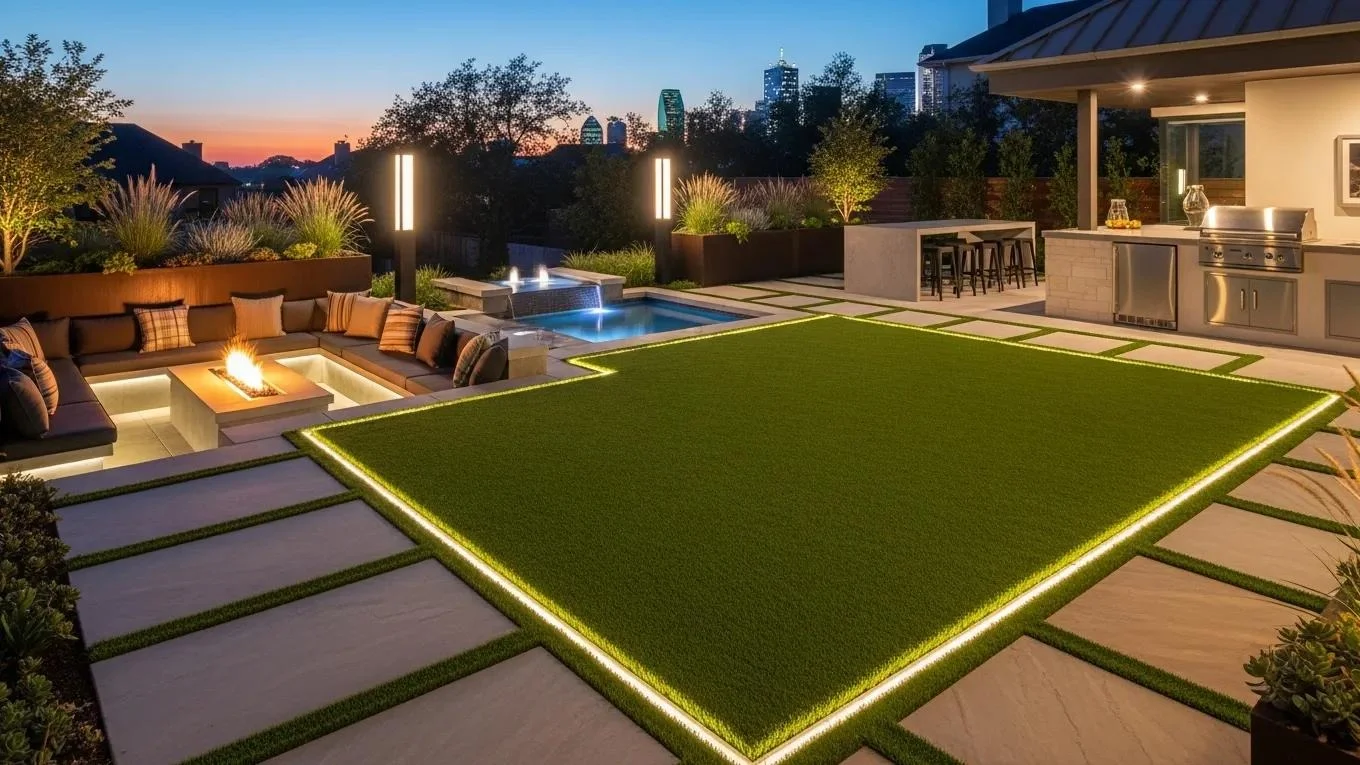
Transforming an outdoor space in Dallas demands both aesthetic intent and practical planning, especially when pairing artificial grass with hardscape. This article reviews the benefits of turf installation, outlines the installation process, and explains how to integrate hardscape elements for a unified design. Homeowners seeking low‑maintenance solutions gain visual appeal plus practical advantages such as water savings and long‑term durability. Understanding these trade‑offs helps you create an outdoor area that fits your lifestyle and stands up to local conditions.
This guide covers the benefits of artificial turf, the step-by-step installation process, and professional services available in Dallas. It also provides practical advice for combining hardscape elements to complete a functional, attractive outdoor transformation.
When planning your project, consider how the outdoor area will be used day-to-day and seasonally. A space used primarily for entertaining needs different surfacing and circulation than a family play area or a pet run. Early decisions about activity zones, furniture placement, and lighting reduce the need for later revisions and help align material choices with performance needs in the Dallas climate.
Benefits of Artificial Turf Installation
Artificial turf delivers clear advantages for Dallas properties. Its primary benefit is reduced maintenance: no regular watering, mowing, or fertilizing is required. Turf is manufactured to withstand heavy foot traffic and local weather conditions, enhancing durability and extending service life.
Traditional lawns provide visual appeal but carry notable environmental costs, including pollution and the displacement of native habitats.
Lawns: Aesthetic Appeal vs. Environmental Cost in Urban Design
Lawns are common due to aesthetic appeal, simple maintenance, low upfront cost, and high recreational value (Ignatieva et al., 2017). From an environmental perspective, however, they are costly and contribute substantially to pollution (Smetana & Crittenden 2014). Ecologically, they add little to local biomes and, through widespread use in rural and suburban areas, displace native habitat.
…
NEW LIFE INTO MAIN STREET GARDEN: A DESIGN TO SHOWCASE NATIVE FORB FLOWERING LAWNS FOR A MORE SUSTAINABLE DOWNTOWN DALLAS, TX, 2025
Water conservation is a major advantage in the Dallas climate. Artificial grass reduces irrigation needs, helping homeowners lower water bills while supporting more sustainable landscaping practices.
This emphasis on conserving water is especially important in regions like Dallas, where droughts can make landscape water savings critical.
Critical Landscape Water Conservation During Drought
Landscape water conservation becomes critical during drought periods when there is insufficient water to meet the normal landscape irrigation needs.
Water conservation in urban landscapes, R Kjelgren, 2000
| Benefit | Description | Value |
|---|---|---|
| Low Maintenance | No need for watering, mowing, or fertilizing | Saves time and money |
| Durability | Withstands heavy foot traffic and weather | Long-lasting investment |
| Water Conservation | Reduces water usage in landscaping | Environmentally friendly |
These advantages explain why Dallas homeowners increasingly choose artificial turf for efficient, sustainable landscaping with predictable long‑term performance.
Beyond reduced maintenance and water savings, artificial turf can improve usability in tight or shaded spaces where natural grass struggles. Turf provides a consistently level surface for outdoor furniture and play equipment, reducing tripping hazards and the time required to manage muddy or patchy areas. For households with pets, properly specified turf resists wear and facilitates straightforward waste removal and rinsing.
Installation Process
Installing artificial turf requires defined, sequential steps to achieve reliable results. The first phase—site preparation—includes clearing obstacles and grading the area to create a stable, even base. Accurate preparation underpins the entire installation.
Installers then place a weed barrier to prevent growth beneath the turf, preserving its integrity. The turf is laid, secured with nails or adhesive, and trimmed precisely to fit the intended area.
What Are the Step-by-Step Processes for Installing Synthetic Grass and Hardscape?
- Site Preparation: Clear and level the area to create a smooth surface.
- Weed Barrier Installation: Prevent unwanted growth beneath the turf.
- Turf Laying: Secure the synthetic grass with nails or adhesive.
Adhering to these steps produces a professional installation that improves both the appearance and function of your outdoor space.
Additional installation details that affect long‑term performance include the composition and compaction of the sub‑base, the choice and application of infill (when appropriate), and the methods used to join seams. A well-compacted aggregate base promotes even drainage and reduces settlement. Installers often recommend checking edges and transitions where turf meets pavers or natural materials and specifying a durable edging system to prevent shifting over time.
Which Installation Methods Ensure Durability and Longevity in The Dallas Climate?
Durability depends on material selection and correct techniques. Specify UV‑resistant turf to reduce sun fading, and install effective drainage to avoid standing water. These measures preserve the turf’s appearance and extend its serviceable life.
In addition to UV resistance and drainage, choose fibers and backing systems intended for sustained high temperatures and heavy use. Ask about warranty coverage and the expected maintenance regime so that cleaning routines and repair options align with the product’s intended lifespan. Proper seaming and adhesive application also prevent premature edge failure in high-traffic areas.
Integrating Hardscape Elements
Combining artificial grass with hardscape creates a functional, attractive outdoor environment. Patios, walkways, and retaining walls serve as focal points and add structure to a landscape design.
When pairing hardscape with turf, follow design principles that improve cohesion. Geometric layouts produce clean lines that complement the grass. Define activity zones—play areas, entertaining spaces, or relaxation corners—to increase usability.
What Are Popular Hardscape Features for Patios and Outdoor Living Areas?
- Patios: Provide a solid surface for outdoor furniture and gatherings.
- Walkways: Guide visitors through the landscape while adding visual interest.
- Retaining Walls: Create landscape levels and prevent soil erosion.
These hardscape features improve functionality while complementing artificial grass to create balanced, low‑maintenance landscapes.
Practical design details that improve the relationship between turf and hardscape include specifying consistent joint widths, choosing colors and textures that blend rather than clash, and integrating transition elements such as gravel strips, decomposed granite, or recessed planters. Lighting and edging are also critical; low‑voltage fixtures embedded along pathways and patio perimeters increase and enhance safety and extend usable hours, while defined edging prevents turf fibers from fraying and simplifies cleaning.
How Does Hardscape Design Integrate with Synthetic Grass Landscaping?
Effective integration relies on material and color coordination to achieve a cohesive look. For example, natural stone or pavers can offer a durable contrast to the turf’s green, producing an inviting and balanced outdoor space.
Consider maintenance when selecting hardscape finishes: some stones and pavers require periodic sealing, while permeable pavers improve stormwater handling and can complement turf installations that prioritize drainage. Thoughtful plantings in beds or containers soften edges and create microclimates that reduce visible glare from synthetic surfaces on bright days.
Expert Services
Synthetic Grass DFW specializes in artificial grass installation and landscaping across the Dallas–Fort Worth area. Their team delivers customized design solutions tailored to each client’s needs and uses high‑quality, USA‑made materials to ensure lasting performance and visual appeal.
What Certifications and Local Expertise Support Quality Installations?
Synthetic Grass DFW’s staff has local expertise and certifications that ensure high-quality installations. Their familiarity with Dallas climate and soil conditions informs material recommendations and installation methods for each project.
Local expertise also helps streamline permitting and HOA considerations. Experienced contractors will advise on common municipal requirements, drainage compliance, and neighborly guidelines to ensure projects progress with fewer delays. Request references and portfolio examples to verify quality and see how previous designs addressed similar challenges in nearby neighborhoods.
How Can Customers Request Free Quotes and Schedule Consultations?
Homeowners can request free quotes and schedule consultations by contacting Synthetic Grass DFW at (972) 373-4196. The team is available to answer questions and provide project-specific recommendations.
During an on‑site consultation, expect a walkthrough to verify measurements, assess existing grades and soils, and discuss functional needs and aesthetic preferences. A thorough proposal will describe recommended materials, timeline expectations, warranty information, and a clear scope of work, enabling homeowners to compare options with confidence.
How Is Artificial Turf Installation Performed in Dallas for Optimal Results?
Installations in Dallas begin with a detailed site assessment followed by preparation to establish a solid foundation. Attention to substrate, grading, and drainage produces a reliable installation that performs over time.
Good installations also include post‑installation checks and homeowner orientation. Installers often demonstrate routine cleaning steps, outline seasonal care, and recommend ways to protect turf during extreme weather or when moving heavy planters and furniture.
What Are The Best Practices for Maintaining Synthetic Turf in Dallas?
Maintain synthetic turf with routine debris removal and occasional brushing to keep fibers upright. Periodic rinsing removes dust and allergens, helping maintain a clean, safe surface for families and pets.
A simple maintenance schedule extends long‑term appearance: weekly leaf and debris removal, monthly brushing in high‑traffic areas, seasonal rinsing, and an annual check for infill levels and seam integrity. For pet owners, promptly remove solids and rinse affected areas; enzymatic cleaners designed for turf help neutralize odors without damaging fibers.
How to Care for Hardscape Materials to Preserve Outdoor Patios and Walkways?
Preserve hardscape by cleaning surfaces to prevent stains and applying sealants where appropriate to protect against weathering. Regular care maintains appearance and functionality over the long term.
Inspect jointing materials and drainage channels seasonally to prevent buildup and potential water pooling. Where pavers meet turf, trim edges and sweep regularly to prevent grit from migrating onto the grass surface and to keep transitions neat and defined.
What Are Real-Life Case Studies of Outdoor Transformations in Dallas Combining Turf and Hardscape?
Multiple Dallas projects demonstrate the successful integration of artificial grass and hardscape. These examples show how thoughtful design and quality installation deliver versatile, attractive outdoor spaces.
Which Projects Showcase Expert Craftsmanship and Design Integration?
- Residential Backyard Retreat: A family transformed their backyard into a relaxing oasis by combining synthetic turf and a stone patio, creating a perfect space for entertaining.
- Commercial Property Upgrade: A local business enhanced its curb appeal by integrating artificial grass with decorative pavers, attracting more customers and improving the overall aesthetic.
- Community Park Revitalization: A neighborhood park was revitalized with synthetic turf and hardscape pathways, creating a safe, enjoyable space for families to gather.
These projects illustrate the long‑term value of quality landscaping. Combining artificial grass with durable hardscape enhances curb appeal and delivers benefits that endure for years.
Before beginning a project, the best practice is to measure twice: take precise site dimensions, note sun and shade patterns across seasons, and record existing drainage behavior during heavy rain. These observations inform a design that minimizes surprises during construction and helps anticipate maintenance needs after installation.
What Are the Cost Considerations for Artificial Turf and Hardscape Installation in Dallas?
Cost depends on material selection, labor, and design complexity. Each factor contributes to the final price and should be evaluated against expected performance and lifespan.
Material choices for both turf and hardscape significantly affect costs. Higher‑end turf systems with advanced backing and premium fiber types typically require a larger upfront investment but can reduce replacement cycles. Hardscape choices such as natural stone, permeable pavers, or custom-cut materials also affect labor intensity and long‑term upkeep. Obtain several quotes and check what is included—site prep, drainage work, edging, and cleanup—to compare proposals accurately.
How Do Material Choices Affect Pricing and Return on Investment?
Higher‑quality materials raise initial costs but typically reduce maintenance and replacement needs. Durable synthetic turf can require a larger upfront investment yet deliver better long‑term savings and return on investment.
What Financing or Incentive Options Are Available for Dallas Homeowners?
Dallas homeowners may access financing programs and local incentives that support water conservation and sustainable landscaping. Such options can offset project costs and encourage adoption of efficient landscape solutions.
When budgeting, account for lifecycle costs rather than only upfront expenses. Consider maintenance labor savings, water-bill reductions, and potential increases in usable outdoor living space as part of a broader cost‑benefit conversation. Contractors can often outline phased approaches to spread costs over time while still achieving meaningful improvements early in the project.
How Do Sustainable Landscaping Trends Influence Artificial Grass and Hardscape Choices in Dallas?
Sustainable landscaping trends increasingly shape homeowner decisions about turf and hardscape. Rising environmental awareness drives demand for solutions that minimize water use and support eco‑friendly practices.
What Are the Environmental Benefits of Low-Maintenance Synthetic Turf?
Low‑maintenance synthetic turf reduces water use and lowers dependence on chemical fertilizers and pesticides. Selecting artificial grass can be part of a broader, more sustainable landscaping approach.
How Do Durable Hardscape Materials Support Sustainable Outdoor Living?
Durable hardscape materials—such as permeable pavers and recycled stone—help reduce runoff and encourage natural drainage. These choices enhance aesthetics while contributing to environmental conservation.
For more information or to schedule consultations, reach out to Synthetic Grass DFW.
Frequently Asked Questions
What is the lifespan of artificial turf in Dallas?
The lifespan of artificial turf in Dallas typically ranges from 15 to 25 years, depending on material quality and maintenance. High‑quality synthetic grass is manufactured to resist intense sun exposure and heavy use. Regular cleaning and brushing help preserve appearance and extend service life.
Are there any health concerns associated with artificial grass?
Some older turf products raised health questions due to their materials. Modern synthetic turf is typically made from non‑toxic materials and designed for residential safety. Select products that meet recognized safety standards and certifications to minimize risk.
How does artificial grass affect property value?
Artificial grass can increase property value by improving curb appeal and reducing maintenance costs. Buyers often value low‑maintenance landscaping and water‑saving features, which can make homes with well‑executed turf installations more attractive.
What are the best practices for winterizing artificial turf in Dallas?
Winter care is straightforward: remove leaves and debris to prevent mould, avoid heavy traffic on frosty turf, and brush fibers to maintain an upright appearance. Occasional rinsing removes accumulated dirt and allergens during colder months.
Can artificial grass be recycled or disposed of sustainably?
Yes. Many manufacturers now offer recyclable turf options, and specialized companies can repurpose old turf into new products. Check local waste management and recycling services for available disposal or recycling pathways.
What are the common mistakes to avoid when installing artificial grass?
Common installation errors include insufficient site preparation, poor leveling, and the omission of a proper weed barrier. Using low‑quality materials also shortens lifespan. Follow the recommended installation steps or engage professionals for reliable results.
How can homeowners ensure proper drainage for artificial turf?
Proper drainage is essential, especially in heavy‑rain areas. Build the base with drainage‑promoting materials such as crushed stone or gravel, and create a slight slope to direct water away. Regularly inspect drainage components for blockages to preserve turf integrity.
Conclusion
Integrating artificial grass with hardscape provides Dallas homeowners with a low‑maintenance, water‑conscious landscaping solution that enhances outdoor usability and property appeal.
By selecting quality materials and professional installation, you ensure a durable, attractive result that delivers long‑term value. Contact Synthetic Grass DFW to discuss options and begin planning your outdoor transformation.


