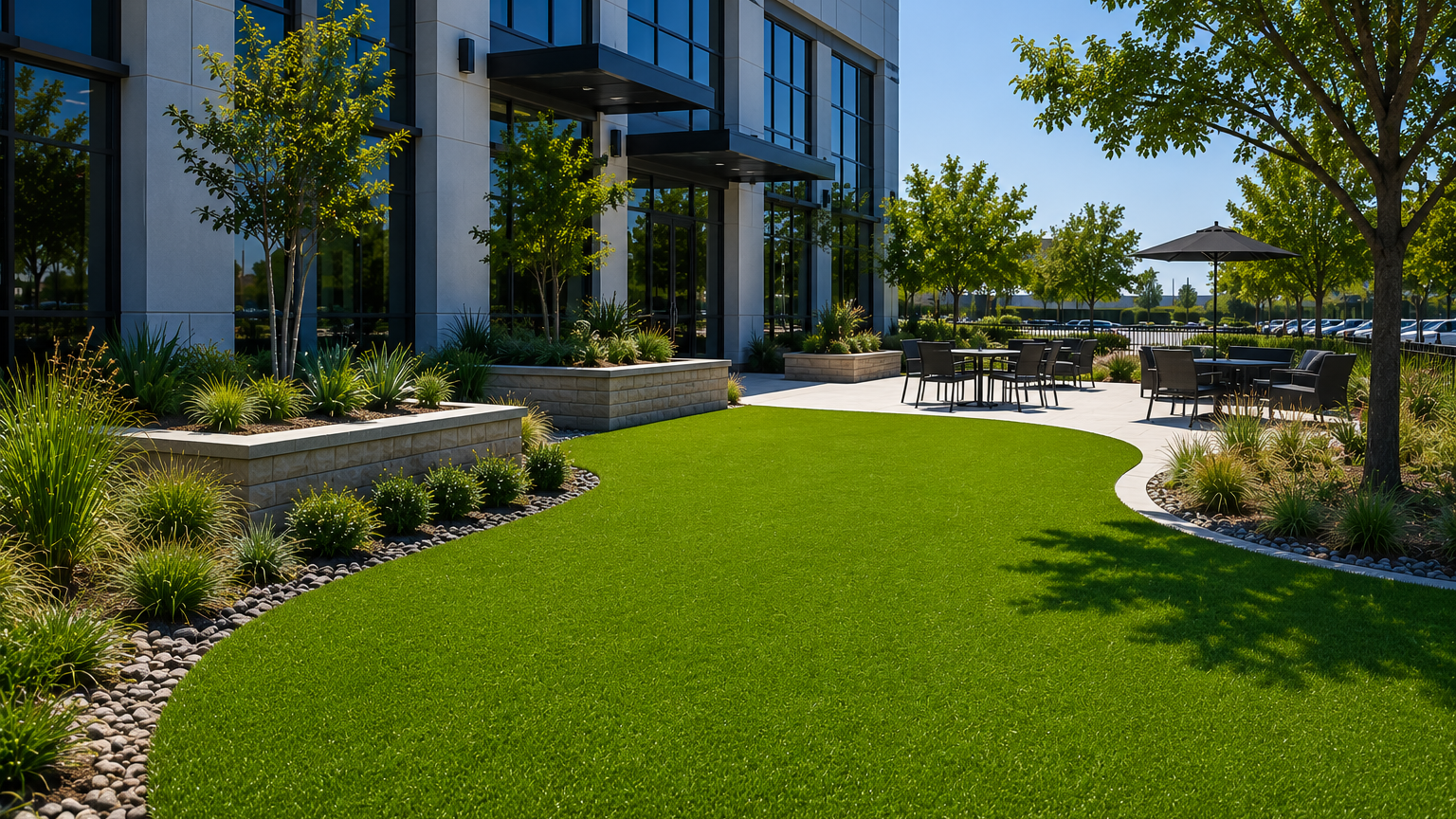
Types of Artificial Turf and How to Choose the Right One for the DFW Environment
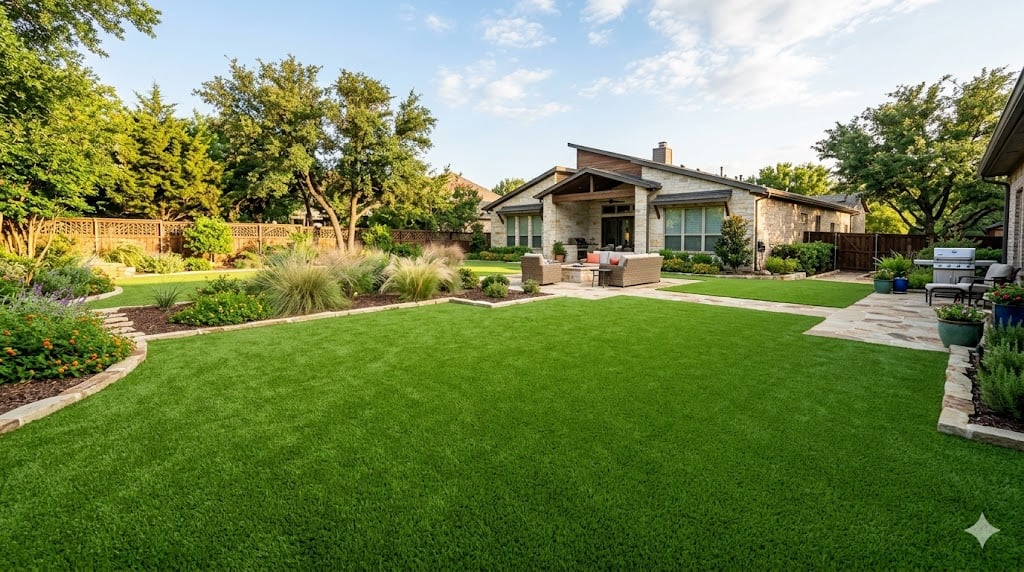
Choosing the right artificial turf for the Dallas-Fort Worth (DFW) environment affects durability, maintenance, and curb appeal in a hot, sometimes dry climate. This guide summarises common turf types, key features such as heat resistance and UV protection, and practical upkeep tips to help you decide. For tailored solutions, Synthetic Grass DFW specialises in DFW installations.
Best Artificial Grass for Texas Climate: How to Choose the Right Synthetic Turf for the DFW Environment
Prioritise durability, heat resistance, and low maintenance when selecting turf for DFW to ensure a natural look year-round with minimal upkeep.
- Durability Against Heat: Choose materials rated for high temperatures and UV exposure.
- Water Conservation Benefits: Synthetic grass eliminates the need for regular watering and conserves water.
- Low Maintenance Requirements: Look for options that require minimal brushing and no mowing.
These core factors will guide a practical selection for DFW properties.
What Types of Artificial Turf Are Best Suited for Dallas-Fort Worth?
Common turf types for DFW target specific uses: residential, pet-friendly, and commercial; pick the one that matches traffic and aesthetic needs.
- Residential Turf: Soft, natural-looking turf for lawns and play areas.
- Pet-Friendly Turf: Durable, easy-to-clean surfaces designed for pets.
- Commercial Turf: Built for heavy foot traffic and public spaces.
Select based on intended use, traffic level, and maintenance expectations.
How Do Polyethylene, Nylon, and Polypropylene Fibers Compare?
Fiber choice affects feel, durability, and cost; match fiber type to the site’s use and wear patterns.
- Polyethylene Fibers: Soft, natural appearance, good for lawns and play areas.
- Nylon Fibers: Very durable, well-suited to high-traffic locations.
- Polypropylene Fibers: Lower cost; best for low-traffic or decorative uses.
Use this comparison to align performance with your budget and use case.
Which Turf Types Offer Optimal Durability in Texas Heat?
Choose fibers and components designed for heat and sun to keep turf looking good and functioning well.
- UV-Stabilized Fibers: Resist fading from sun exposure.
- Heat-Resistant Infill Options: Infill that reflects heat helps lower surface temperatures.
- Cooling Technologies: Some systems use cooling additives or materials to reduce heat buildup.
These features reduce heat-related wear and improve comfort.
How Does Heat Resistance Influence Synthetic Grass Performance in Hot Weather?
Heat-resistant turf preserves color and structure and is more comfortable to use during hot periods, reducing the need for early replacement.
Choosing heat-tolerant products extends usability and reduce long-term repair and replacement frequency.
What UV Protection Features Are Essential for DFW Turf?
UV protection maintains appearance and material integrity; seek these features when comparing products.
- UV Stabilizers: Help prevent fiber breakdown caused by sun exposure.
- Durable Fibers: Materials with inherent UV resistance last longer.
- Reflective Infill Options: Reduce heat absorption at the surface.
Combined UV protection keeps turf vibrant for years.
How Does Heat Resistance Affect Turf Longevity and Maintenance?
Heat-tolerant turf resists fading and degradation, reducing replacement frequency and lowering maintenance demands caused by environmental damage.
What Are the Key Installation Considerations for Artificial Turf in Dallas-Fort Worth?
Proper installation and drainage are essential for long-term performance; plan the base and water management before installation.
- Site Preparation: Build a stable, compacted base.
- Drainage Solutions: Ensure water drains away from the turf surface.
- Professional Installation: Experienced installers help prevent common mistakes and extend turf life.
Attention to these details prevents settling and moisture issues.
How Does Proper Site Preparation Impact Turf Durability?
A well-prepared base and proper grading reduce settling and standing water, which preserves appearance and structural integrity.
Investing in preparation work extends turf life and reduces long-term costs.
What Drainage and UV Protection Methods Ensure Long-Term Performance?
Combine effective drainage with UV protection for lasting results.
- Gravel Base Incorporation: Promotes drainage beneath the turf.
- Proper Grading: Directs water away from the surface.
- UV Stabilizers: Protect fibers from sun damage.
These practical steps preserve turf condition over time.
Why Is Low Maintenance Important for Synthetic Lawns in the DFW Area?
Low-maintenance lawns save time, water, and money in DFW’s climate while providing consistent curb appeal.
- Time Savings: No mowing or regular watering required.
- Water Conservation: Artificial turf reduces irrigation demand.
- Cost-Effectiveness: Lower ongoing lawn-care costs than natural grass.
These benefits make synthetic lawns an attractive long-term option.
What Maintenance Practices Maximize Turf Lifespan and Appearance?
Simple, regular care keeps turf performing well.
- Regular Debris Removal: Remove leaves and other debris to prevent mold.
- Brushing Techniques: Brush occasionally to lift fibers.
- Professional Inspections: Schedule periodic inspections to catch issues early.
Consistent maintenance preserves appearance and extends service life.
How Do Artificial Turf Benefits Translate to Cost Savings Over Time?
Artificial turf reduces irrigation and ongoing lawn-care costs, delivering long-term savings that often offset initial installation expenses.
- Lower Irrigation Bills: Save on water, especially in summer.
- Reduced Maintenance Costs: Fewer services and supplies required.
- Long-Term Payback: Savings accumulate over the product’s lifespan.
These financial advantages support investing in high-quality synthetic grass for DFW properties.
For specialized outdoor features, Synthetic Grass DFW offers putting green installations.
If you have questions or want to discuss options, please contact us.
Frequently Asked Questions
What are the environmental benefits of using artificial turf in DFW?
Artificial turf reduces water use, lowers the need for fertilizers and pesticides, and can last longer than natural grass, cutting repeat replacements and associated impacts.
Can artificial turf be recycled, and what happens to it at the end of its life?
Many turf types can be recycled or repurposed; check with your supplier about available recycling programs or take-back partnerships.
How does the installation process of artificial turf differ from natural grass?
Installation emphasizes site grading, drainage, and a stable base rather than seeding and irrigation, so a properly prepared area is ready to use much sooner.
What are the potential health concerns associated with artificial turf?
Consider heat retention and older infill materials; choose modern, non-toxic products and follow care guidelines to minimise risks.
How can I ensure my artificial turf stays cool during hot weather?
Use heat-reflective infill or cooling technologies, maintain a clean surface, and add shade where possible to reduce surface temperatures.
What is the lifespan of artificial turf, and how can I extend it?
Turf typically lasts a decade or more; extend life by removing debris, brushing fibers, ensuring good drainage, and scheduling inspections.
Conclusion
Choosing the right artificial turf for the DFW environment delivers durability, lower maintenance, and water savings. Understand types, fibers, and installation needs, and work with experienced providers to select and install a solution that suits your property and climate.