
How Commercial Artificial Grass Helps Dallas–Fort Worth Businesses Reduce Water and Landscape Maintenance Costs with Lasting Value
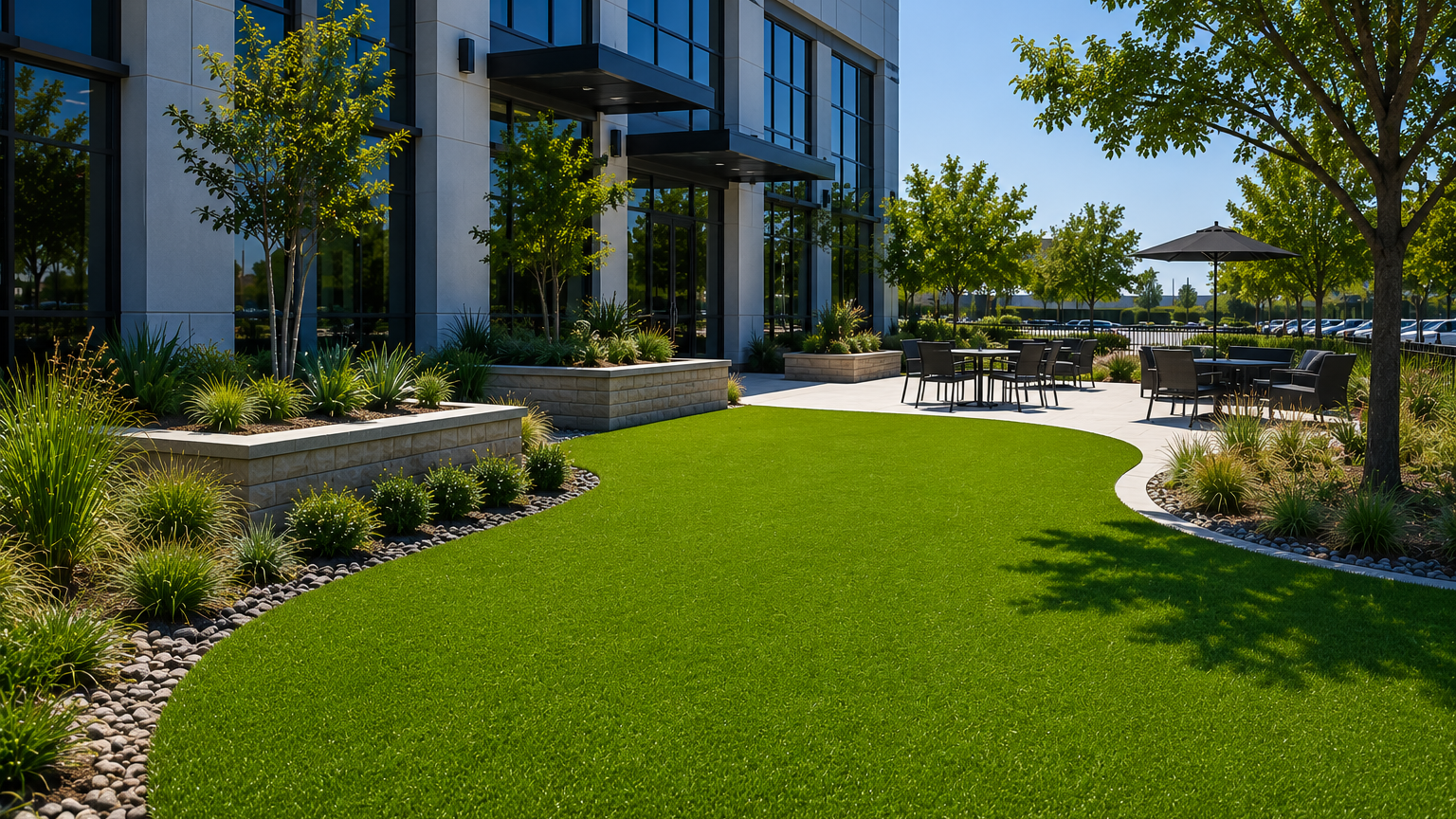
Facing increasing water scarcity and regulatory pressure, Dallas–Fort Worth businesses are adopting commercial artificial grass as a durable, sustainable landscaping solution. Synthetic turf conserves water and reduces landscape maintenance expenses, enabling organizations to operate more efficiently while maintaining professional outdoor spaces. Given the region’s hot, dry climate, artificial turf offers a reliable alternative to natural lawns. This article outlines the benefits of commercial artificial grass, including water savings, cost efficiency, long-term value, and broader economic and environmental impacts.
The following sections explain how investing in synthetic turf produces measurable operational savings and stronger resource management. We detail water-conservation mechanisms, economic considerations, and environmental outcomes. We also describe the expertise of Synthetic Grass DFW, a specialist provider delivering high-quality synthetic grass solutions tailored for the Dallas–Fort Worth metroplex.
Water Conservation
Commercial artificial grass significantly reduces irrigation demand in the Dallas–Fort Worth area, where droughts regularly stress natural turf. Compared with natural grass, synthetic turf requires far less water for upkeep, making it a pragmatic choice for businesses prioritizing sustainability. Installing artificial turf can substantially lower a facility’s irrigation needs and overall water consumption.
Lower water use supports corporate sustainability goals and eases pressure on municipal supplies. Choosing synthetic turf reduces water bills and demonstrates environmental stewardship to customers and stakeholders, reinforcing a business’s commitment to responsible resource management.
Artificial Grass: Business Solution for Water Conservation & Cost Reduction
This article evaluates artificial grass as an environmentally focused business solution amid growing resource scarcity. It examines water conservation, operational cost reduction, environmental safety, and the market potential of artificial turf in domestic and international contexts. ECOLOGY BUSINESS: HOW ARTIFICIAL GRASS SOLVES RESOURCE SCARCITY AND OPENS NEW MARKETS, 2025
Cost Efficiency
Investing in commercial artificial grass yields measurable cost savings for Dallas–Fort Worth businesses. Savings arise primarily from reduced water use and lower ongoing maintenance compared with natural lawns. Without regular mowing, fertilizing, or pest treatments, businesses can plan predictable landscape budgets and reduce recurring operating expenses.
Properties can save thousands annually by eliminating labor-intensive landscape tasks and reducing utility costs. While installation costs are a consideration, many companies find that the extended service life and reduced operating expenses justify the initial investment.
Which Maintenance Tasks Are Eliminated with Synthetic Turf Installation?
Installing synthetic turf effectively eliminates several routine maintenance tasks, typically including:
- Mowing: There is no need for regular lawn mowing, freeing up resources and time.
- Watering: Synthetic lawns do not require irrigation, significantly reducing water use.
- Fertilizing: Artificial grass eliminates the need for chemical fertilizers, reducing chemical runoff.
- Pest Control: Lower pest prevalence on artificial turf minimizes the necessity for chemical treatments.
Eliminating these tasks allows businesses to reallocate labor and budget toward core operations and customer-facing initiatives.
Long-Term Value
Commercial artificial grass delivers value beyond immediate savings. High-quality synthetic turf enhances the appearance of a property and can increase its value over time. Its durability means businesses can retain attractive landscapes without the recurring costs of natural grass maintenance.
Because durable turf requires less frequent replacement, companies face fewer landscaping capital expenditures. Ongoing improvements in synthetic turf materials and realism continue to raise performance and suitability for commercial applications.
Economic Benefits
Adopting commercial artificial grass produces multiple economic benefits. Reduced operating costs and consistent curb appeal can attract more customers and support revenue growth. The environmental gains from lower water use and reduced pesticide application also strengthen a business’s reputation within the community.
Viewed strategically, the switch to synthetic turf is a business decision that supports market positioning and operational efficiency. Numerous local businesses across Dallas–Fort Worth report increased foot traffic and positive customer feedback after installation.
What Are Verified Case Studies and Testimonials of Cost and Water Savings in Dallas–Fort Worth?
Several commercial operators, including sports facilities and property managers, report substantial savings after installing synthetic turf. For example, some sports venues document up to 75% reductions in water use. Retail properties frequently redirect time saved on maintenance toward improving customer service and site presentation.
Environmental Impact
Commercial artificial grass reduces the need for pesticides and fertilizers that can harm local ecosystems. It also curtails emissions from gas-powered landscaping equipment, lowering the property’s operational carbon footprint.
Properly installed and maintained artificial grass often lasts 15–20 years, offering prolonged relief from the environmental costs tied to frequent replanting and intensive turf care. In heat-prone regions like Dallas–Fort Worth, synthetic turf provides a more resilient landscape solution.
How Does Commercial Artificial Grass Enhance Environmental Sustainability on Texas Business Properties?
Integrating synthetic turf demonstrates a business’s commitment to sustainability. Reduced water consumption and fewer chemical inputs conserve resources and can improve urban biodiversity by stabilizing ground cover and minimizing soil disturbance.
Are Artificial Grass Products Used by Synthetic Grass DFW Backed by Durability Studies?
Synthetic Grass DFW supplies products supported by durability testing to withstand Texas’s climate and heavy foot traffic. Their systems are designed to reduce long-term replacement needs and lower lifecycle landscaping costs.
Adopting commercial artificial grass delivers measurable reductions in water use and landscape maintenance costs for Dallas–Fort Worth businesses. Investing in synthetic turf improves operational efficiency and reduces environmental impact. To evaluate options and receive pricing, consider requesting a free quote from specialists at Synthetic Grass DFW as a first step toward a cost-effective, sustainable landscape.
Frequently Asked Questions
1. What are the key benefits of using artificial grass for businesses?
Artificial grass offers clear benefits for businesses: significant water savings, reduced maintenance costs, and consistent aesthetic appeal. It removes the need for mowing, fertilizing, and pest control, cutting operational costs and conserving water—critical in drought-prone areas. Synthetic turf maintains a uniform appearance year-round, enhancing the environment for customers and staff.
2. How does artificial grass impact local ecosystems?
Artificial grass reduces the use of pesticides and fertilizers, which can contaminate soil and waterways. Reduced dependence on lawn-care machinery decreases emissions, supporting sustainability objectives. When used thoughtfully, synthetic turf can complement urban green strategies and allow native plantings in less-trafficked areas.
3. Can artificial grass increase property value?
Yes. Properly specified and installed artificial grass can increase property appeal and long-term value. Lower maintenance requirements and reliable aesthetics make properties more attractive to customers, tenants, and buyers, potentially improving revenue and resale prospects.
4. How long does artificial grass last?
High-quality artificial grass typically endures 15 to 25 years, depending on product selection and maintenance. Following recommended care—regular brushing, debris removal, and periodic infill adjustment—helps preserve appearance, safety, and functional performance throughout its service life.
5. Is artificial grass suitable for all climates?
Artificial grass is engineered to perform in a wide range of climates, including the hot, dry conditions common in the Dallas–Fort Worth area. Modern turf technologies resist UV degradation and retain color and structure in intense sunlight, supporting reliable landscaping year-round.
6. Are there any health concerns associated with artificial grass?
When manufactured to industry standards, modern artificial grass is constructed from non‑toxic materials and poses minimal health risk. It creates a clean, even surface that can reduce injuries associated with wet or uneven natural turf.
7. What maintenance is required for artificial grass?
Artificial grass requires less upkeep than natural lawns but still needs routine care to maintain performance. Recommended tasks include brushing to prevent matting, removing debris, and rinsing dust or contaminants. Occasional infill top-ups preserve cushioning. Overall maintenance demands are modest compared with natural turf.
Conclusion
Commercial artificial grass offers Dallas–Fort Worth businesses significant water and maintenance savings while enhancing property performance and environmental responsibility. For organizations ready to explore synthetic turf, requesting a complimentary quote from Synthetic Grass DFW can initiate the transition to a more sustainable, lower‑cost landscape.


