
10 Essential Questions to Ask Before Hiring a Putting Green Installation Company
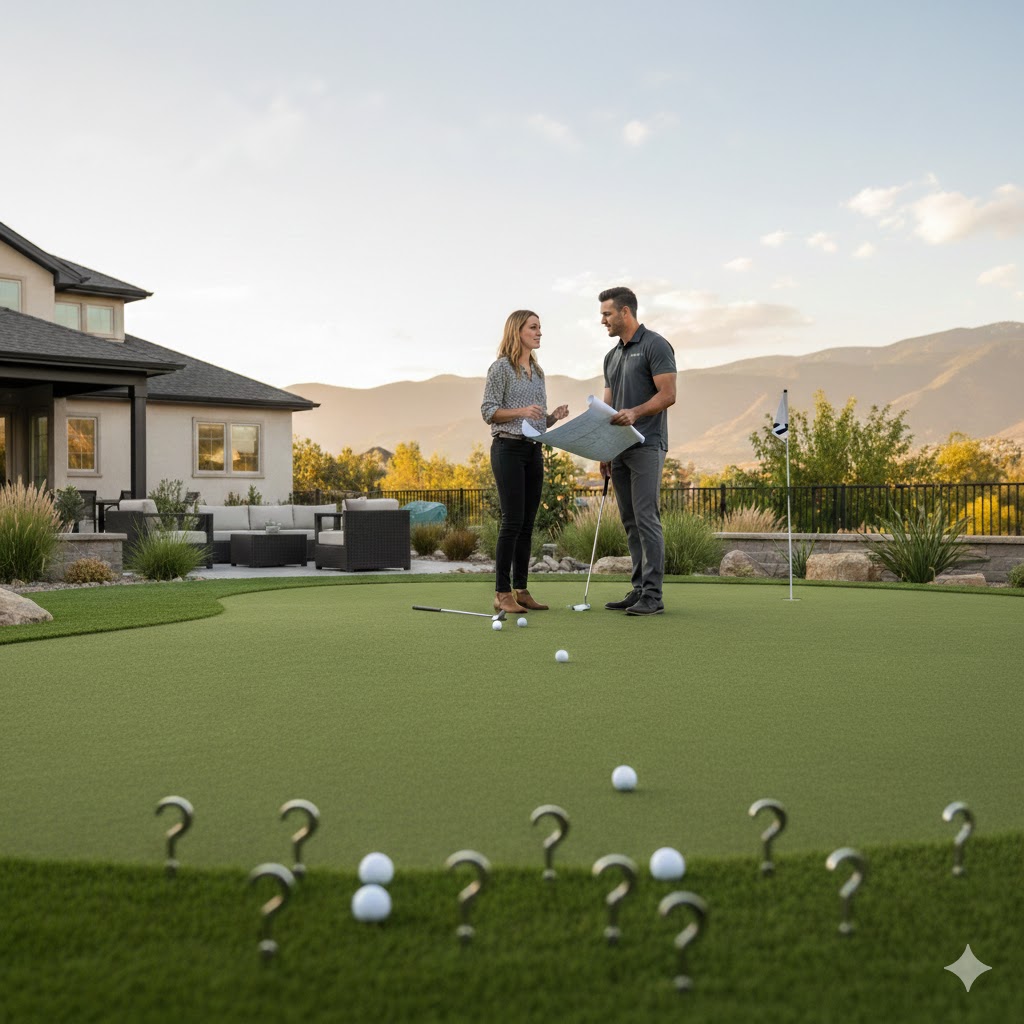
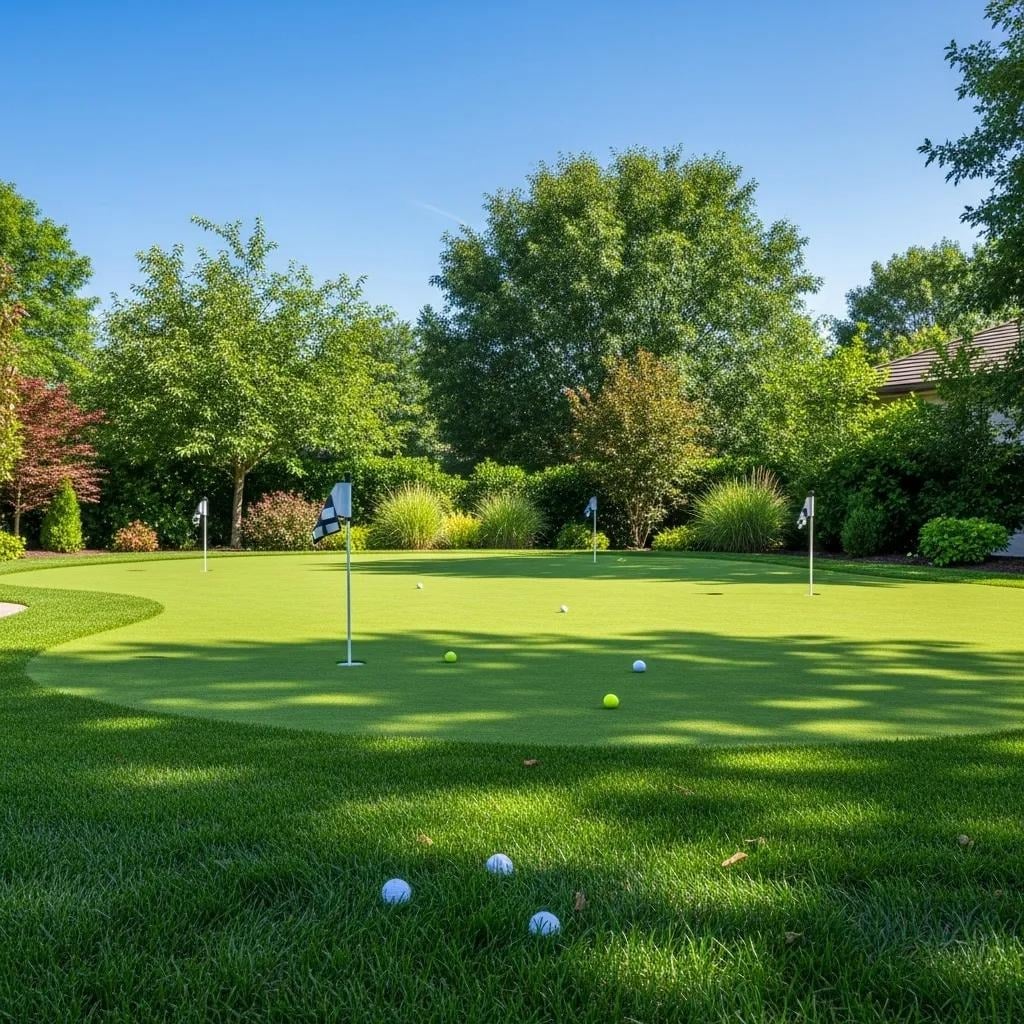
Hiring the right putting green installer affects how your green plays, how long it lasts, and the value it adds to your property. Ask the right questions early to avoid costly surprises and get a green that performs. This guide walks you through what to check when evaluating an installer — credentials, cost drivers, design options, material choices, the installation steps, and maintenance and warranty expectations. You’ll learn which credentials matter, how to read an itemized quote, what turf features influence ball roll and durability, and how base and drainage prevent settling. The guide includes easy checklists, comparison tables, and step-by-step notes tailored to residential and commercial putting greens in DFW. By the end, you’ll have a practical vetting checklist and clear next steps for requesting a site assessment or quote.
How do you pick the right putting green installer in DFW?
The best installers combine verifiable credentials, relevant project experience, and local know-how to deliver a smooth, playable surface that stands up to Dallas–Fort Worth weather and soils. Ask for license and insurance copies, a portfolio of nearby projects, and references. Find out whether the crew is in-house or uses subcontractors, so you know who’s responsible for quality and warranties. Request recent photos that show seams, edging, and drainage — pictures reveal workmanship better than promises. Local experience matters because DFW’s climate, permitting, and soil types affect base design and drainage. Use this quick checklist during calls or site visits to capture the essentials.
- Ask for license, insurance, and local registrations — request copies and confirm coverage.
- Review a portfolio of DFW projects and contact client references.
- Clarify team structure (in-house crew vs. subcontractors) and warranty details.
- Discuss base design, drainage strategy, and DFW-specific experience.
These checkpoints help you identify installers with repeatable processes and local experience. The next section lists the exact credentials and proof to request when vetting candidates.
What credentials and experience should a professional installer have?
A reputable installer will share verifiable credentials: trade licenses, proof of insurance, and project histories with before-and-after photos and client contacts. Experience with both residential and commercial greens shows versatility — ask for examples that match your project size. Good installers track metrics like drainage performance or customer follow-ups; red flags include vague timelines, refusal to share references, or lump-sum quotes without line-item detail. Request a site-specific summary that explains base engineering, turf specs, and timelines so you can compare proposals objectively. These details help you filter for quality and accountability.
Why does local expertise matter for DFW installations?

DFW’s temperature swings, heavy rains, and common clay soils change how you design a base, control compaction, and size drainage. Installers who know the area size and slope drainage layers correctly, pick infill and backing that resist local UV exposure, and design contours that resist settling in freeze-thaw cycles. They also know permitting rules and HOA preferences, which can speed approvals and reduce surprises. Ask how candidates have adapted designs for DFW issues — for example, clay soils or drainage near foundations — and request project examples that solved those problems. Understanding local factors makes it easier to evaluate cost tradeoffs, since engineered base work and drainage are major budget drivers.
What affects the cost of an artificial putting green?
Price depends on predictable drivers: overall size, turf grade, base engineering, contour complexity, drainage, and added features like fringe, bunkers, or ball returns. Fixed items typically include site assessment, base materials, compaction, and turf; variable costs come from custom contours, added amenities, and unexpected site prep (roots, poor soil). Professional quotes should separate site assessment, base work, drainage, turf, labor, edging, and finishing so you can compare bids. The table below highlights common cost drivers and how they usually impact budgets.
Common cost drivers affect price through scope and technical work required.
| Feature | Attribute | Cost Impact |
|---|---|---|
| Size | Square footage to cover | Directly affects turf and base material totals |
| Base complexity | Excavation, engineered aggregate, geotextile | Significant increase for engineered bases |
| Drainage systems | Trench drains, permeable layers | Moderate to high, depending on water management needs |
| Contours & features | Custom slopes, bunkers, fringe | Adds labor, materials, and design time |
| Turf grade | Face yarn, density, backing | Higher-grade turf raises material cost |
How do design, size, and materials change pricing?
Complex designs with multiple contours, fringe areas, or integrated bunkers increase labor and require more precise base prep, which raises cost per square foot versus a flat green. Size impacts economies of scale: larger areas can lower per-square-foot pricing but still increase total cost. Turf grade matters — putting-specific fibers with consistent pile and dense thatch give truer roll but cost more than basic landscape turf. When comparing bids, weigh performance gains from premium turf and engineered bases against expected lifespan and maintenance savings. That helps you decide where spending more up front is worth it.
What should an itemized quote include?
A clear itemized quote lists site assessment, excavation, base materials (type and depth), compaction, geotextile or subsurface layers, drainage components, turf specification (product name or attributes), labor for installation and seaming, edging and finishing, and permits. Lump-sum quotes without these line items make apples-to-apples comparison impossible. Ask for quote assumptions like site access, removal of existing material, and who handles permits or landscaping integration. Use the checklist below to spot ambiguous entries and confirm comparable scopes — clear line items reduce change orders and unexpected charges.
- Site assessment and underlying assumptions.
- Itemized base prep, materials, and compaction specs.
- Drainage components and turf product details.
- Labor, edging, cup sleeves, and finishing work.
- Permits, cleanup, and warranty coverage.
A transparent quote makes comparing providers straightforward and leads into design choices that shape playability and curb appeal.
How can you customize a backyard or commercial putting green?
Customization ranges from simple backyard greens to multi-hole commercial layouts that mimic course conditions and match landscape style. Decide on green shape and size, fringe or collar materials, contour severity, number and spacing of holes, bunkers or sand traps, and integration with surrounding hardscape or turf. Your goals — serious practice, entertaining, or a commercial amenity — will guide those choices. Here are features that consistently boost playability and curb appeal so you can prioritize what matters.
- Subtle contours and breaks for realistic ball roll.
- Fringe and collar details to blend the green and influence chip play.
- Integrated bunkers or sand features for challenge and visual interest.
- Multiple cup locations to increase practice variety in a limited space.
These choices affect maintenance and cost. The next section explains which features most impact playability and aesthetics.
Which design features boost playability and curb appeal?
Playability improves with a tightly specified turf face and consistent pile height, gentle to moderate contours for readable breaks, and a defined fringe to mimic a real green edge. For appearance, contrasting fringe materials, crisp edging, and integrated hardscape (stone borders, putting surrounds) create a finished look that blends with your yard. Request renderings or mockups so you can see how contours and hole placement will look and play; good installers provide scaled drawings or digital previews. Prioritize features based on how you’ll use the green — practice-focused clients choose performance specs, while homeowners who entertain may prefer visual options like ball returns.
How do contours, hole placement, and extras affect the green?
Contour depth and radius determine how a ball breaks; shallow sweeps give subtle breaks, deeper undulations create stronger challenges but can increase maintenance. Hole placement varies by purpose: practice layouts use varied distances and angles, while entertainment greens favor visually appealing, approachable cup locations. Extras like saw-cut borders, ball returns, or synthetic bunkers add installation complexity and maintenance needs, and they often raise cost and repair considerations. Talk through upkeep impacts for each feature so the final design matches your willingness to maintain it.
What turf types and materials work best for putting greens?

Material choices focus on face yarn, thatch, backing, infill, and the engineered base — together these determine durability, UV resistance, and consistent ball roll. Face yarn type and density affect stimp speed and feel; thatch supports stability and looks; backing with good drainage avoids standing water and mold. Choose turf made for putting greens (not generic landscape turf) for tighter pile, consistent height, and a backing designed for play. The table below compares common turf categories so you can match product attributes to your goals.
Compare turf options to match performance needs and budget.
| Turf Type | Durability / Playability | Typical Use-Case |
|---|---|---|
| polyethylene | High durability, consistent roll | Residential and commercial greens focused on play |
| High-density landscape turf | Moderate durability, less consistent stimp | Multi-use yards and lower-cost installs |
| Hybrid turf with enhanced thatch | Better ball support, softer feel | Practice greens need realistic short-game turf |
| Perimeter/fringe turf | Durable edge with visual contrast | Fringe areas and transitions to landscape |
How do turf choices affect durability and performance?
Fiber type (polyethylene), denier, stitch rate, and thatch height all influence ball roll and wear. Denser, lower-pile turf typically gives truer roll and longer life. UV-stable fibers resist fading and brittleness in the Texas sun, and a backed product with good drainage prevents water pooling that can harm the turf and sub-base. Read spec sheets for pile height, face weight, and warranty terms; a good installer will explain how those specs translate to stimp speed and maintenance needs. Choose turf that balances the play characteristics you want with your budget — and align base and infill choices to match the turf selected.
A basic understanding of golf ball behavior on artificial surfaces — including the concept of “Stimp” — helps you choose materials that deliver the roll you expect.
Golf Ball Behavior & Stimp on Artificial Putting Greens
The “Stimp” measures green speed — how fast a ball rolls. Research into ball behavior on artificial turf clarifies which design and material choices affect roll and consistency.
Why are base prep, infill, and drainage critical?
A properly engineered base — correct excavation depth, compacted aggregate layers, geotextile separators, and graded drainage — creates a stable platform that prevents settling and keeps ball roll consistent. Infill affects firmness, shock absorption, and stability; many putting greens use minimal infill for smoother roll, while landscape infill prioritizes resilience. Drainage sized for DFW rainfall prevents standing water and protects the sub-base from freeze-thaw damage. Ask installers for compaction targets, material sources, drainage capacity, and how they test performance before final acceptance. These technical details tie directly into the installation steps and the checkpoints you should expect during construction.
What does a professional installation process look like?
A professional install follows a clear sequence: site assessment, grading and excavation, engineered base installation and compaction, turf laying and seaming, cup installation, edging, and final testing with a punch-list walkthrough. Each phase has visible quality checkpoints — for example, verifying base depth and compaction before turf goes down — that protect you from rework. The table below summarizes key phases, tasks, and typical equipment so you know what to expect on-site and can validate contractor claims. After the table, we outline homeowner checkpoints to verify quality during the job.
| Phase | Task | Typical Duration / Equipment |
|---|---|---|
| Site assessment | Measure, inspect soil, finalize scope | 1–2 hours; measuring tools |
| Excavation & grading | Remove topsoil, set slopes | 1–3 days; skid steer, graders |
| Base installation | Place aggregate, compact in lifts | 1–3 days; plate compactors, rollers |
| Turf installation | Seam, glue, power-broom, secure edging | 1–2 days; seam tape, rollers |
| Final testing | Ball-roll checks, punch-list | 1 day; stimp testing tools |
What are the key steps from assessment to turf laying?
Begin with a site assessment that documents slope, drainage paths, and obstacles; this should produce a written plan. Excavation and grading follow to form the engineered profile, then base layers are placed and compacted in lifts to the specified density — confirm base depth and compaction before turf is laid. Seams should be tight and invisible when correctly stretched and adhered, and edging must lock the turf in place. Installers should perform ball-roll checks and tweak contours before final acceptance. Knowing these steps helps you validate workmanship and avoid scope creep.
How is cup and flagstick placement decided?
Cup placement balances practice goals with durability: practice greens use varied angles and distances to train shots, while entertainment greens favor approachable placements to encourage play. Installers look at contours and high/low points to position cups where balls will hold predictably and where pin changes won’t force base rework. Standard practice is to install sleeves at a consistent depth and use templates so cups sit flush with the turf; installers then verify roll with multiple putts. Ask how often they recommend rotating cups to even wear — planned rotation reduces concentrated wear and preserves playability.
How do you maintain a putting green and understand warranty coverage?
Routine care preserves ball roll and appearance: clear debris, brush fibers to keep pile upright, inspect seams and edging, and address spot repairs quickly. A simple maintenance checklist keeps performance steady and helps catch issues early. Warranties are usually split between product (manufacturer) and workmanship (installer) — confirm lengths, exclusions, and whether the installer requires maintenance proof to honor workmanship claims. Below are practical maintenance steps and tips for documenting warranty claims.
- Clear leaves and debris weekly to prevent staining and odors.
- Brush the surface monthly to keep fibers standing and maintain roll.
- Check seams, edging, and drainage after heavy rain and schedule repairs as needed.
- Arrange an annual professional inspection to confirm base stability and drainage.
Following these routines reduces wear and supports warranty claims if problems arise. The next section lists routine tasks and warning signs in more detail.
What routine maintenance keeps a green performing?
Weekly debris removal prevents organic buildup that can cause odor or pests. Monthly brushing with a stiff broom or power brush helps fibers stand upright and preserves consistent roll. Clean spills quickly with mild cleaners approved by the turf manufacturer and avoid harsh chemicals that could void warranties. After storms, document any seam gaps, edging issues, or pooling with photos and dates to simplify claims. If you notice wear patterns or pooling, schedule professional servicing before the issue grows — proactive care prevents costly repairs and keeps your green playable for years.
What warranty terms should you expect?
Expect separate warranties for the turf product (manufacturer) and installation workmanship (installer). Product warranties typically cover UV stability and fiber failure; workmanship warranties cover installation defects like seam failures or improper drainage. Confirm durations, exclusions (abuse, improper maintenance), and claim procedures. Ask whether warranties are transferable to a future owner and what documentation the installer needs for a claim. Keep signed contracts, product spec sheets, maintenance records, and photos to support any future warranty requests.
For homeowners and property managers in DFW seeking local guidance, Synthetic Grass DFW is a local resource for residential and commercial artificial grass, including putting greens. They offer free consultations and itemized quotes, emphasize USA-made turf, and focus on installation methods and customer service that account for local climate. When you request a site assessment, ask them about their itemized quote format and examples of recent DFW putting green projects so you can compare providers against the vetting checklist above.
Ready to take the next step? Request a free consultation and an itemized site assessment to get a transparent scope and written recommendations tailored to your property goals.
Frequently Asked Questions
What is the typical lifespan of an artificial putting green?
Longevity depends on materials, installation quality, and maintenance. High-quality turf properly installed and maintained typically lasts 10–20 years. Regular brushing, cleaning, and timely repairs extend life. Infill and drainage choices also affect durability, so pick a reputable installer who uses proven products.
How often should I perform maintenance on my putting green?
Do quick weekly checks to remove leaves and debris. Brush the surface monthly to keep fibers upright and rolling consistent. Inspect seams and drainage after heavy rain and schedule an annual professional inspection to catch issues early.
Can I install a putting green myself, or should I hire a professional?
DIY is possible for very simple projects, but hiring a professional is recommended. Pros know how to prepare the base, handle drainage, and install turf so roll and longevity meet expectations. They also handle permits and provide workmanship warranties — saving you time and reducing long-term risk.
What are common mistakes to avoid when hiring an installer?
Avoid these pitfalls: not verifying credentials and insurance, accepting vague lump-sum quotes, skipping references or past-project reviews, and not clarifying maintenance responsibilities. Vet installers thoroughly to prevent surprises and poor workmanship.
What should I look for in a warranty for my putting green?
Look for separate product and workmanship warranties. Product warranties should cover UV degradation and fiber failure; workmanship warranties should cover seam failures, drainage errors, and other installation defects. Check exclusions, transferability, and the claim process.
How do I choose the right turf type for my putting green?
Choose turf based on durability, playability, and budget. Polyethylene offers consistent roll and longevity. Consider pile height, face weight, backing, and drainage. Work with an installer who can match turf and base to your performance goals.
Conclusion
Picking the right putting green installer means a durable, high-performing surface that improves your game and your yard. Use the questions and checklists in this guide to evaluate providers, compare itemized quotes, and make a confident choice. When you’re ready, request a free consultation to get a clear, site-specific plan and a transparent quote — your ideal backyard putting green starts there.


