
How Long Does a Backyard Putting Green Last?
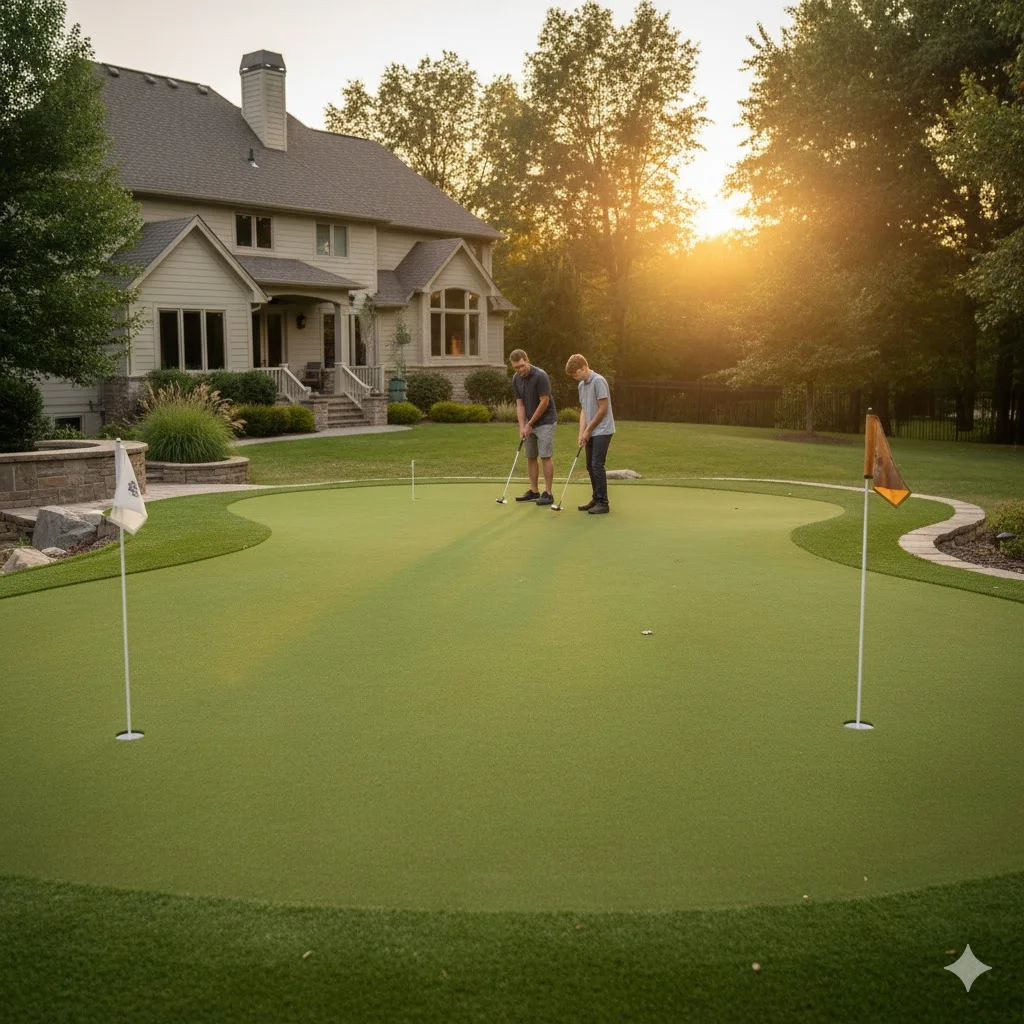
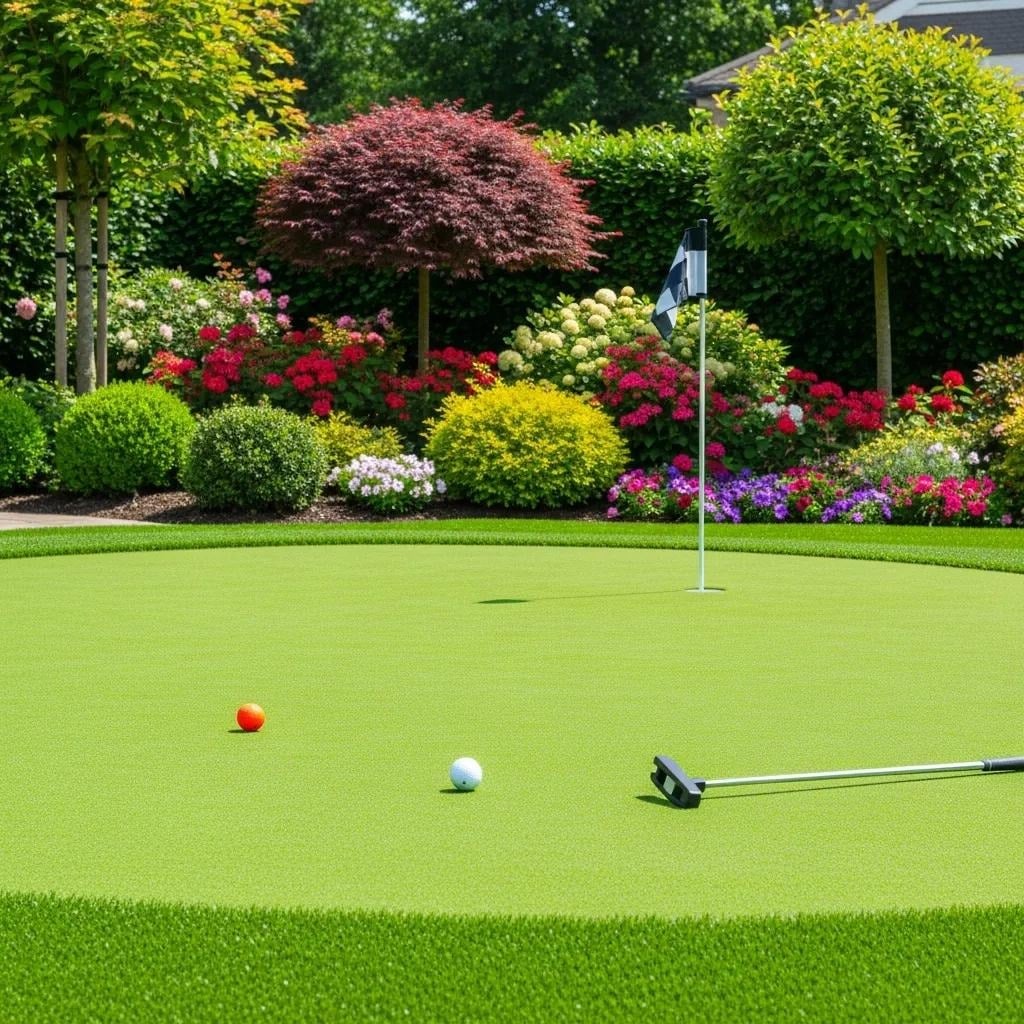
A backyard artificial putting green is a custom synthetic turf surface built to mimic the feel and roll of a real golf green while cutting out much of the regular upkeep. Quality residential greens typically last 15–20 years, though actual lifespan depends on the turf materials, how the green is installed, how often it’s used, and how well it’s maintained. This guide walks you through typical lifespan ranges for budget, mid-range, and premium systems; the technical factors that drive wear; how DFW’s climate affects longevity; and the practical maintenance steps that keep a surface performing and looking great. You’ll also find warranty and financing considerations from a professional installer so you can plan a putting green that meets your playability and longevity goals.
What Is the Typical Lifespan of an Artificial Putting Green?
Most artificial putting greens last about 15–20 years before major replacement is needed. With professional installation and routine care, many residential greens deliver 15–20 years of reliable play. Key factors that determine lifespan include fiber quality and UV protection, backing durability, base preparation, drainage, and how the surface is used. Low-traffic, backyard practice greens tend to reach the high end of the range; commercial or heavy-use practice greens usually fall toward the lower end. Industry guidance and field experience show that a properly engineered base and UV-resistant turf significantly reduce early failure modes and extend usable life. For a custom estimate based on your yard and intended use, Synthetic Grass DFW offers free, no-obligation quotes that factor site conditions into projected longevity.
How Long Do Synthetic Putting Greens Usually Last?
Budget putting green systems made with basic fibers and limited UV protection generally last about 8–12 years under typical residential use, often showing early fiber flattening and color fade. Mid-range systems—higher-denier fibers, improved backings, and better infill stabilization—typically reach 10–14 years with regular maintenance, preserving acceptable ball roll for most of that period. Premium systems with dense stitch counts, strong UV stabilization, robust backing, and engineered bases can last 14–18 years or more when installed and cared for properly. Heavy use, frequent practice, pet traffic, and abrasive cleaning shorten these timelines by accelerating fiber wear and infill loss, so match product tier to how you’ll use the green.
What Industry Statistics Define Putting Green Longevity?
Manufacturers and trade groups commonly cite an expected service life of roughly 15–20 years for quality artificial turf installations. When turf is USA-made, UV-stabilized, and installed on an engineered base, field data show those installations consistently land in the upper half of that range. “Serviceable life” refers to acceptable playability and appearance, not zero signs of wear—many greens remain usable beyond warranty periods, but with noticeable aesthetic or performance decline. Knowing these industry benchmarks helps homeowners plan replacement cycles, budget for infill refurbishment, and compare return on investment across product tiers.
Which Factors Affect the Longevity of Backyard Putting Greens?

Lifespan comes down to material selection, installation quality, drainage and base design, usage levels, maintenance, and local climate stresses. Fibers wear from UV exposure and abrasion, backing systems can delaminate if adhesives fail, and an improperly compacted base causes settling that increases stress on the turf. Reviewing fiber type, denier, stitch rate, backing construction, and subbase design helps predict durability and choose the right system for your goals. The table below summarizes common turf components and their typical longevity so you can weigh trade-offs when picking products and installers.
| Fiber Type / Component | Key Attribute | Expected Years (Typical) |
|---|---|---|
| Polyethylene monofilament fibers with UV stabilizers | Good ball roll, moderate durability | 10–15 years |
| Higher-denier, texturized polyethylene fibers | Better abrasion resistance | 12–18 years |
| Backing with double polypropylene and polyurethane coating | Strong tuft bind, moisture tolerant | 10–18 years |
| Infill-stabilized systems (silica sand + polymer) | Improved blade support and drainage | 10–18 years |
| Inadequate single-layer backing or low stitch rate | Weaker tuft bind; higher failure risk | 6–10 years |
Choosing higher-quality fibers and a robust backing typically increases expected life, and infill systems that support drainage help prevent premature degradation. When evaluating installers, ask about subbase compaction testing, edge restraints, and warranty coverage—installation quality has a major impact on how materials perform over time. We favor USA-made turf and professional installation practices to align products and site work with longevity goals and avoid common failure modes from poor components or rushed jobs.
- The most influential factors for putting green lifespan are material quality, installation workmanship, base/drainage design, usage intensity, and maintenance routine.
- Material choices—fiber type, UV stabilization, backing strength—determine resistance to fading, matting, and tuft loss.
- Installation steps—compaction, grading, edge restraints, and proper seam bonding—prevent settling and separation.
- Usage patterns, including frequent practice and pet traffic, increase mechanical wear and may require higher-tier systems for long life.
- Routine maintenance (brushing, infill top-up, debris removal) preserves fiber support and drainage, extending usable years.
The next section digs deeper into material characteristics so you can spot the product features that matter most.
How Does Material Quality Influence Artificial Turf Durability?
Material quality controls how fibers resist UV damage, abrasion from balls and feet, and repeated compression. Fiber shape, denier (thickness), and texturization affect resiliency and memory—how well blades spring back after being stepped on—so the surface keeps a true roll. UV stabilizers and thoughtful pigmentation slow photodegradation that causes brittleness and fading. Backing design and tuft bind determine how well fibers stay anchored; a multi-layer backing with a strong coating reduces the risk of seam separation and delamination. When you compare products, ask for UV ratings, stitch rate, denier, and tuft bind test data to judge durability.
What Role Does Installation Quality Play in Putting Green Lifespan?
Installation quality addresses many common failure points. An engineered base with proper compaction, a correct slope for drainage, and secure edge restraint prevents pooling and movement that stresses turf components. Proper seam prep, adhesive choices, and seam compression create joins that resist peel and separation—failed seams lead to costly repairs. Poorly graded subbases cause differential settlement, creating high-wear spots where fibers bend, and infill migrates, accelerating fatigue. Review proposals for geotextile separation, aggregate depth, compaction methods, and drainage plans—those details indicate a professional installation that protects lifespan and playability.
How Does the Dallas-Fort Worth Climate Impact Putting Green Durability?
DFW’s climate exposes synthetic turf to high summer heat, intense UV, and occasional heavy rain—each a test of UV resistance, heat tolerance, and drainage. High surface temperatures can soften some polymers and speed UV-related breakdown if fibers aren’t properly stabilized. Strong sunlight fades pigments and can embrittle fibers over time. Heavy storms demand reliable drainage; poor infiltration or channeling leads to standing water that can weaken backing and move infill. To reduce climate stress, choose UV-stabilized turf, prioritize dense stitch rates, and install engineered drainage layers—these measures help preserve playability in DFW conditions.
What Are the Effects of Heat and Sun Exposure on Synthetic Turf?
Heat and sun raise surface temperatures well above ambient air, which can soften thermoplastic fibers and accelerate oxidation over the years. UV radiation breaks polymer chains and fades pigments, leading to brittleness and eventual fiber breakage. Selecting fibers and pigments with documented UV ratings slows photodegradation. Reflective infill choices, shading, or irrigation cooling can help reduce peak surface heat. Regularly inspect your green for brittle blades and color changes so you catch early UV damage and take steps to protect the surface.
How Does Synthetic Grass DFW Optimize Installation for Local Conditions?
We tailor installations for DFW by specifying UV-stabilized, USA-made turf and designing base and drainage assemblies to handle local heat and storm patterns. We match fiber selection, stitch rate, and backing specs to exposure levels to minimize thermal and photochemical stress, and we grade and route drainage so water moves off the surface quickly. Those steps—pairing the right materials with engineered site work—reduce local failure modes like premature fading, poor drainage, and edge separation. Working with a local installer familiar with DFW microclimates helps ensure your green is built to last.
What Maintenance Practices Extend the Life of a Backyard Putting Green?

Targeted, regular maintenance preserves turf structure, supports consistent ball roll, and delays major repairs by keeping fibers upright, infill at the right depth, and drainage working. Core tasks include debris removal, brushing to restore blade orientation, spot cleaning for spills and pet waste, annual infill checks and top-ups, and seam and edge inspections. These activities protect the mechanical support that prevents matting and backing stress—common precursors to failure. The table below shows recommended tasks, suggested frequencies, and the lifespan benefits so you can plan a maintenance schedule that maximizes long-term performance.
| Maintenance Task | Frequency | Benefit (Lifespan Impact) |
|---|---|---|
| Debris removal (leaf/organic matter) | Weekly to biweekly | Prevents matting and organic buildup that degrades fibers |
| Brushing and grooming | Monthly (or after heavy use) | Restores blade uprightness and preserves ball roll |
| Spot cleaning (stains/pet waste) | As needed | Stops chemical damage and odors that attract pests |
| Infill inspection & top-up | Annually or biennially | Maintains blade support and drainage, reduces abrasion |
| Seam & edge inspection | Annually | Finds early structural issues before they worsen |
A steady maintenance routine keeps your green performing and reduces how often you’ll need major repairs. The following sections offer practical technique tips and guidance on infill replacement intervals to keep your surface in peak condition.
Which Regular Cleaning and Brushing Techniques Are Recommended?
Use stiff, non-metal push brooms or brushes made for synthetic turf to groom blades against the natural lay—this lifts fibers and reduces matting. Remove large debris first by hand or with a leaf blower, then brush in overlapping passes to redistribute infill and stand blades up. Avoid metal rakes or harsh pressure washers that can abrade fibers or damage backing. For stubborn stains, use cleaners recommended by the manufacturer and rinse thoroughly. Regular brushing preserves pile structure and consistent ball roll; a seasonal deep-groom after high-use months helps restore performance.
How Often Should Infill Be Replenished to Maintain Turf Quality?
Infill top-up frequency varies by product and use, but checking infill depth once a year is a good baseline. Many residential greens need top-ups every 1–3 years depending on traffic and environmental loss. Signs you need more infill include flattened blades, reduced shock absorption, excessive compaction, or inconsistent ball roll. Different infill materials—silica sand, polymer-coated sand, rubber blends—compact differently, so follow product-specific guidance when topping up. Proper infill restores blade support, improves drainage, and reduces abrasive wear on fibers—extending the green’s useful life.
- The following quick checklist helps diagnose infill depletion: Look for visible backing between blades. Press the surface to test for excessive packing. Watch ball roll for irregular behavior.
Keeping infill at the right level prevents accelerated abrasion and backing exposure, which otherwise lead to earlier repairs or replacement.
What Warranty and Investment Protections Does Synthetic Grass DFW Offer?
Warranties and financing help protect your long-term investment by covering material defects and workmanship while making premium systems more accessible. Synthetic Grass DFW provides clear warranty elements and financing options so homeowners can choose higher-grade systems that have longer expected lifespans. The table below summarizes common warranty areas, typical durations, and what is or isn’t covered so you can see how protections relate to lifespan and replacement planning.
| Coverage Area | Duration | What it Covers / Exclusions |
|---|---|---|
| Material defects | Varies by product (manufacturer terms) | Covers premature fiber failure and UV-related breakdown per manufacturer terms; excludes normal wear and misuse |
| Workmanship/installation | Company-backed period (see installer details) | Covers seam failures, improper drainage installation, and workmanship-related issues; excludes damage from neglect |
| Drainage performance | Limited term aligned with installation warranty | Covers installation-related drainage failures; excludes alterations or flooding beyond design parameters |
| Financing support | Term based on the financing program | Helps homeowners choose higher-quality options without upfront cost barriers; financing terms outline payments and interest |
Warranty scope varies by component, so carefully review manufacturer and installer terms to understand how coverage lines up with expected lifespan. Financing can make it practical to invest in higher-tier turf and engineered bases that lower the total cost of ownership over the life of the green.
What Does the Putting Green Warranty Cover and How Long Is It Valid?
Warranties usually separate material coverage from workmanship. Manufacturers typically warranty materials for UV and fiber performance, while installers back workmanship—seams, adhesives, and base construction. Material warranties often correspond to a portion of the 10–15 year range, and installer workmanship warranties protect against construction errors that would shorten life. Common exclusions include normal wear, vandalism, neglect, improper maintenance, and post-install alterations. Always request written warranty details and compare both manufacturer and installer coverage when choosing products.
How Does Financing Support Long-Term Investment in Artificial Greens?
Financing lets homeowners spread the upfront cost so they can choose higher-grade turf, denser stitch rates, and engineered base solutions that last longer. While premium options raise initial costs, they typically lower the frequency of early repairs and replacements and improve total cost of ownership. Financing makes longevity-focused choices—like USA-made, UV-stabilized turf and professional drainage assemblies—more attainable. Compare lifecycle costs, not just the sticker price, to get the best balance of playability and long-term value.
Why Choose Synthetic Grass DFW for a Durable Backyard Putting Green?
Synthetic Grass DFW pairs carefully selected USA-made materials, local installation know-how, professional workmanship, and transparent warranty and financing options so homeowners get putting greens built to last. We match UV-stabilized fibers and durable backings with engineered site work that addresses DFW heat, UV exposure, and stormwater. By aligning product choices with proper base construction and a clear maintenance plan, we help installations reach the higher end of expected lifespan ranges and provide the support owners need to keep their greens performing.
- We use USA-made, UV-stabilized turf that resists photodegradation.
- Local expertise to design base and drainage assemblies suited to the DFW climate.
- Professional installation practices that secure seams, edges, and compaction.
Those elements reduce common failure modes and extend usable years, making a higher initial investment more defensible over the green’s lifespan.
How Do USA-Made Materials Enhance Putting Green Longevity?
USA-made turf often comes with tighter quality control, consistent manufacturing standards, and documented performance data—factors that reduce variability and early failures. Controlled production delivers reliable UV stabilization, consistent denier and stitch rates, and tested backing systems for predictable tuft bind strength. Those quality controls lower the risk of premature fiber loss, uneven ball roll, and backing failures. Choosing products with verifiable specs helps homeowners and installers plan realistic maintenance and replacement schedules.
What Local Expertise Does Synthetic Grass DFW Provide for DFW Residents?
We use local climate knowledge to select materials and design drainage and base systems that address DFW’s heat, UV exposure, and storm patterns. Our experience guides choices like UV-rated fibers, slope design for efficient runoff, and infill options that moderate heat while preserving drainage. These region-specific decisions turn a generic turf install into an engineered solution tuned to local stressors, preserving performance and reducing climate-driven wear. For a personalized evaluation and a lifespan estimate for your yard, request a free consultation from a local specialist.
Every section above links installation, product selection, and maintenance to the practical decisions a homeowner must make, so your backyard putting green meets its expected lifespan and delivers consistent play for years.
Frequently Asked Questions
What are the signs that my artificial putting green needs maintenance?
Look for flattened or matted fibers, uneven ball roll, visible bare backing, or areas where the infill looks packed down. Persistent stains or odors that don’t respond to routine cleaning also signal it’s time for a deeper maintenance session. Regular inspections let you catch small issues before they become costly repairs.
Can pets use an artificial putting green without causing damage?
Yes—pets can enjoy a putting green, but their activity can increase wear. Heavy pet traffic may cause matting and infill displacement. Choosing a durable turf and keeping up with brushing and infill top-ups minimizes impact. Promptly cleaning pet waste prevents odors and reduces the risk of damage.
How does the weather affect the maintenance of my putting green?
Weather affects wear and drainage. Hot, sunny periods can accelerate UV-related fading and make the surface hotter, while heavy rains can test drainage and move infill. Adjust your maintenance: brush more often during hot months and check for pooling after storms. Adapting to seasonal conditions helps extend lifespan.
What is the best way to clean my artificial putting green?
Remove debris regularly, then brush the surface with a stiff, non-metal broom against the grain to lift fibers. For spots and stains, use a manufacturer-approved cleaner and rinse. Avoid metal rakes and high-pressure washing that can damage fibers or backing. Routine cleaning preserves both appearance and performance.
How can I enhance the drainage of my putting green?
Good drainage starts at installation—proper grading, a compacted engineered base, and a drainage layer beneath the turf. For existing greens, clear any blocked drainage channels and remove debris that impedes flow. If pooling persists, consult a professional to assess and improve the drainage design.
What are the benefits of professional installation for my putting green?
Professional installers bring material knowledge, proper base preparation, and drainage solutions tailored to your climate and site. Correct installation minimizes issues like seam separation and uneven settling and ensures the green performs as expected. Professional setup and guidance on maintenance protect your investment and extend service life.
Are there specific warranties I should look for when purchasing a putting green?
Look for clear warranties covering material defects (UV and fiber performance) and installer workmanship (seams, drainage, base). Typical warranty lengths vary by product tier and often range from 8 to 15 years. Review exclusions—normal wear, neglect, and misuse are commonly omitted—so you know what’s protected.
Conclusion
A backyard artificial putting green is a durable landscape investment that can deliver years of consistent play when you choose the right materials, get a quality installation, and follow a simple maintenance plan. Expect typical lifespans of 15–20 years for well-built residential greens; matching product tier to usage and climate, plus regular upkeep, pushes you toward the upper end of that range.
For personalized guidance and a free consultation, reach out to Synthetic Grass DFW—we’ll help you design a green that balances playability and longevity for your yard.


