9 Creative Small Backyard Ideas Using Artificial Grass
Converting a small backyard into a useful, attractive space is easier with artificial grass. It offers a low‑maintenance, durable surface that improves appearance and function. This article outlines practical ways to use synthetic turf in small yards and covers installation, upkeep, and cost considerations to help you plan.
Homeowners value artificial grass for low upkeep and consistent appearance.
Artificial Grass: Low Maintenance & Aesthetic Appeal for Homes
In residential settings, artificial grass is prized for its minimal maintenance, wear resistance, and a reliable year‑round appearance. These attributes make it a practical, visually appealing option for homeowners.
Safety and Environmental Benefits of Artificial Grass: A Research Review
Creative Design Ideas
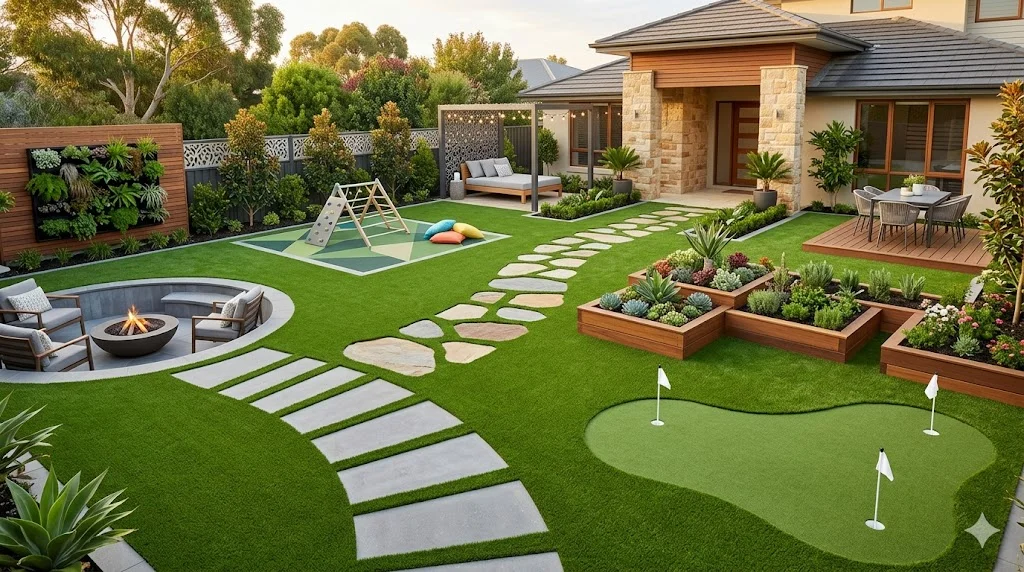
Artificial grass can enhance both the appearance and the functionality of small backyards. Try these focused applications:
- Pool Areas: Place turf around pools to cut mud and clippings, improve traction, and reduce upkeep.
- Distinct Outdoor Zones: Define dining, play, and garden areas with turf, separated by pavers or stone for a neat layout.
- Vertical Green Walls: Use turf panels on walls for a low‑maintenance green backdrop or privacy screen.
- Pet-Friendly Spaces: Synthetic turf is durable and easy to clean, making it ideal for active pets.
- Backyard Putting Greens: Install a compact putting green for casual golf without the maintenance required by real turf.
Strategic placement of artificial grass improves function and curb appeal. For tailored options, Synthetic Grass DFW provides residential solutions.
Synthetic turf closely mimics lawns while offering practical benefits for modern yards.
Realistic Artificial Lawns for Domestic Backyards
Synthetic turf produces realistic lawns that meet common expectations for domestic outdoor spaces.
Artificial lawn people, A Brooks, 2019
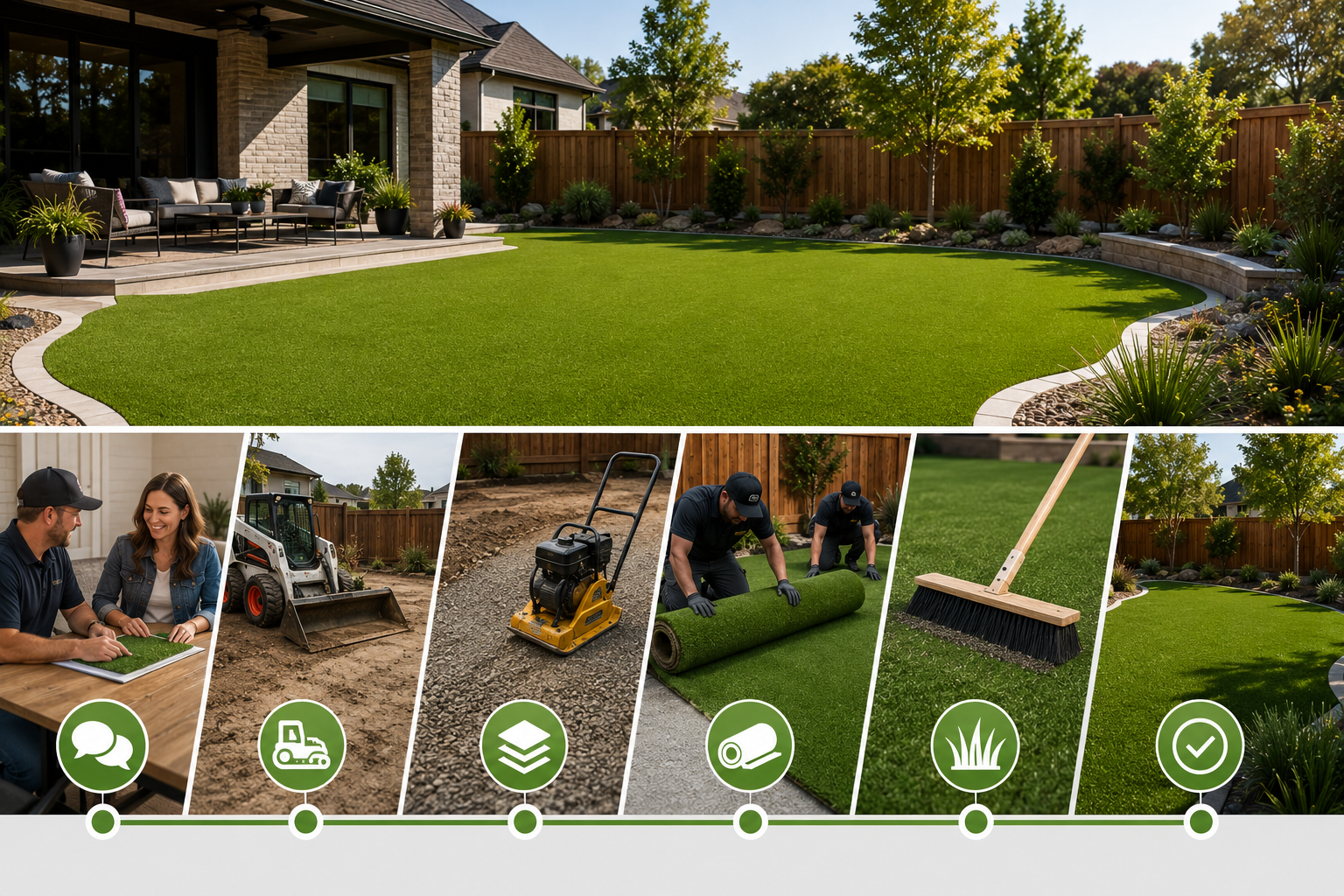
Installation Tips and Considerations
Careful planning ensures a durable, well‑draining installation. Key steps:
- Site Preparation: Remove existing vegetation, then level and compact the soil to form a stable base.
- Base Installation: Lay crushed stone or gravel to ensure drainage and longevity.
- Weed Barrier Installation: Add weed fabric to reduce invasive growth.
- Seaming and Cutting: Align seams, make clean cuts, and secure edges with seam tape or adhesive.
- Infill Application: Apply sand or rubber infill to weigh down turf, support fibres, and improve feel.
Following these steps helps create a long‑lasting, functional synthetic lawn.
Maintenance and Durability
Maintaining artificial grass is simpler than natural turf. Keep it performing with straightforward care:
- Regular Cleaning Practices: Remove debris with a leaf blower or a stiff broom to keep the surface tidy.
- Seasonal Inspections: Check seams and edges seasonally and repair any wear promptly.
- Infill Maintenance: Top up infill as needed to maintain support and appearance.
- Stain Removal: Clean spills with mild soap and water; avoid harsh chemicals.
- Professional Cleaning: Consider a professional deep clean every few years to refresh fibres.
With routine care, quality turf can provide many years of reliable service.
Cost and ROI
Artificial grass can offer strong value. Consider installation cost, savings, and benefits:
If you have questions about the installation process, contact us today.
- Initial Installation Costs: Upfront costs vary with turf quality and area size; higher‑grade products cost more but last longer.
- Long-Term Savings on Maintenance: Reduced water use and lower lawn care expenses deliver ongoing savings.
- Environmental Benefits: Turf reduces irrigation needs, supporting water conservation.
- Increased Property Value: Well‑executed low‑maintenance landscaping can boost appeal to buyers.
- Durability and Longevity: Properly installed and maintained turf can remain serviceable for many years.
Weigh these factors to decide if artificial grass matches your small backyard needs.
Frequently Asked Questions
What types of artificial grass are available for residential use?
Residential turf varies by texture, pile height, and durability. Choose firmer products for high traffic (sports, play areas) and softer options for lounging or visual appeal.
How can I enhance the appearance of artificial grass in my backyard?
Combine turf with pavers, stones, planters, and lighting to define zones and add contrast. Edge plantings and outdoor furniture complete the space.
Can artificial grass be recycled or disposed of sustainably?
Some manufacturers run recycling or take‑back programs. If unavailable, follow local waste rules and ask suppliers about end‑of‑life options to reduce landfill waste.
How does artificial grass perform in extreme weather conditions?
Quality synthetic turf resists UV fading and stays usable in cold climates. In extreme heat it may become warm to the touch; provide shade or cooling for pets and children.
What are the best practices for installing artificial grass in small backyards?
Prepare and compact the base, include proper drainage, plan the layout to maximise usable space, and follow manufacturer instructions for seaming and infill.
How can I ensure the longevity of my artificial grass?
Perform regular cleaning and inspections, replenish infill as needed, avoid harsh chemicals, and arrange periodic professional cleaning to prolong life.
Conclusion
Using artificial grass in a small backyard delivers a low‑maintenance, attractive area that improves function and conserves water. Apply the design ideas and installation tips here to choose the best option for your outdoor space and begin your backyard transformation.