
Why Artificial Turf Can Develop Odors After Rain and How to Address the Cause
By Chad Harris, Synthetic Grass DFW
Artificial turf offers a durable, low-maintenance alternative to natural grass, but it can emit unpleasant odors after rain. Moisture encourages the accumulation of organic debris and creates conditions where bacteria and mould multiply on the turf surface. Understanding these causes is essential to maintaining performance, controlling odor, and protecting the long-term value of your installation. This article explains why rain can trigger odors and outlines proven maintenance and cleaning strategies to address them.
We will examine the main contributors to odor—biological growth, drainage shortcomings, and installation quality—and provide practical cleaning methods and maintenance routines. The guidance below equips you to manage existing issues and prevent future problems, preserving both appearance and lifespan of your synthetic grass.
What Causes Artificial Turf to Smell After Rain?
Post-rain odors usually arise from a mix of biological and environmental factors. Organic matter that collects on the fibers decomposes when wet, while standing water and high humidity create an ideal environment for bacteria and mould to flourish. Limited airflow and slow evaporation compound the issue, so targeted maintenance after rainfall is critical to prevent persistent odors.
Common organic sources include leaves, blossoms, pollen, bird droppings, pet waste, and turf infill that traps fine particles. When these materials remain damp, microbes feed on them and break them down, producing volatile compounds that cause unpleasant odors. Mechanical issues such as uneven grading or compacted base layers can slow drainage and prolong the time moisture remains in contact with the turf, increasing the likelihood that odor‑forming growths establish.
Environmental factors—shade from trees, nearby vegetation, and poor airflow—also influence how quickly the turf dries. Cooler, shaded areas dry more slowly and therefore require more frequent inspection and cleaning. Awareness of these combined causes helps prioritize the most effective interventions for your site.
Effective Solutions for Controlling Odors
Controlling odors requires a structured, multi-step approach that combines routine care, targeted cleaning, and mechanical solutions where needed. Consistent practices reduce organic build-up and discourage bacterial growth, while corrective work—such as improving drainage—addresses the root causes.
An effective odor-control plan pairs immediate actions after rainfall (debris removal, flushing) with scheduled treatments (deodorizing sprays, enzymatic cleaners) and periodic inspections of the installation (drainage checks, infill condition). This layered strategy reduces short-term smells while preventing recurrence.
Regular Cleaning
Consistent cleaning prevents organic material from accumulating and producing odors. Remove leaves, twigs, and pet waste promptly, and rinse fibers after heavy rain. Use a stiff brush, leaf blower, or hose as appropriate, and increase cleaning frequency when conditions are wet or after storms.
Practical steps for routine cleaning:
- Clear surface debris by hand or with a leaf blower; avoid using wire rakes, which can damage fibers.
- Remove pet waste promptly and rinse the area with water; for urine spots, follow with a deodorizing rinse or enzymatic product designed for turf.
- Brush high‑traffic areas to redistribute infill and restore upright fibers; this improves drainage and drying.
- After heavy rain, use a hose to flush the turf surface from the high point to the low point to help move trapped debris and dilute residues.
Small, regular efforts usually prevent conditions that lead to long‑standing odors and reduce the need for stronger treatments later.
Vinegar Solution
A straightforward vinegar mix—equal parts water and white vinegar—neutralizes many common odors and reduces microbial presence. Spray evenly, allow the solution to dwell for about 30 minutes, then rinse thoroughly with water to avoid residue. Use this method as a periodic deodorizing treatment, not a daily cleaner.
Application tips and safety notes:
- Test the solution on a small, inconspicuous area first to ensure there is no visible change to the turf fibers or backing.
- Apply evenly using a garden sprayer; avoid over‑saturation that can prolong drying time.
- Always rinse after the dwell time to remove loosened debris and any acidic residue that, if left concentrated, could affect infill or backing materials.
- Vinegar is safe for most synthetic fibers when diluted, but avoid mixing it with other cleaning chemicals.
Enzymatic Cleaners
Enzymatic cleaners contain active enzymes that break down organic waste and eliminate the bacteria that cause odors. Choose products labeled safe for synthetic grass, follow the manufacturer’s application rates, and ensure full coverage of affected areas for effective results.
How to use enzymatic cleaners effectively:
- Apply according to label directions and allow the enzymes to work for the recommended contact time to break down organic compounds.
- Use on pet stains, food spills, and heavily soiled patches; repeat applications may be necessary where organic material is embedded in the infill.
- Rinse when instructed by the product label; some enzymatic formulations do not require rinsing and instead are designed to remain active in the infill for ongoing breakdown.
Enzymatic treatments are particularly useful for recurring pet odors because they address the biological source rather than merely masking the odor.
Deep Cleaning
When surface treatments are insufficient, schedule a deep clean to remove embedded debris and biological growth. This typically involves a pressure rinse and a turf-safe cleaning agent. Perform deep cleaning seasonally—commonly in spring and fall—or as needed if odors persist.
Guidance for deep cleaning:
- Use a turf-safe cleaner and follow application instructions carefully to avoid damaging fibers or backing.
- When using water under pressure, keep the nozzle moving and maintain a safe distance from the fibers to avoid dislodging infill or harming the backing.
- Rinse thoroughly and allow the area to dry completely. Proper drying is as important as the cleaning itself; trapped moisture can quickly re-establish odor sources.
- Consider hiring a professional for larger areas or where drainage and compaction issues are suspected; professionals can access specialized equipment and recommend corrective actions if deep cleaning uncovers installation problems.
Proper Drainage
Effective drainage is a primary defense against odor formation. Water that cannot move away from the turf creates prolonged damp conditions that encourage bacterial growth. Incorporate drainage measures—such as crushed stone layers, perforated piping, or engineered base materials—at installation to prevent pooling. Companies experienced with synthetic turf, such as Synthetic Grass DFW, factor drainage into every project to minimize these risks.
Practical considerations when evaluating or upgrading drainage:
- Inspect the site after rain to identify low spots or slow‑draining areas that may need regrading or additional drainage features.
- Ensure surrounding landscaping and hardscapes (gutters, downspouts, patios) direct water away from the turf perimeter to reduce repeated saturation.
- When renovating, evaluate the base materials and infill for compaction or contamination that can impede percolation; replacing or augmenting base layers can restore proper flow.
How Do Biological Factors Like Bacteria and Mildew Contribute to Odors?
Bacteria and mildew feed on decomposing organic matter and thrive in moist, shaded conditions. As they metabolize material trapped in the turf, they emit volatile compounds that cause foul odors. Regular removal of organic debris, combined with appropriate cleaning agents and good drainage, limits the nutrients and moisture these organisms need to persist.
Different microbes produce distinct odor profiles; for example, bacteria that digest nitrogen-rich materials may create a sharper, more pungent odor, while fungal growth often produces a musty odor. Identifying the likely source—pet waste, plant debris, or persistent moisture—helps choose the most appropriate treatment.
What Role Does Turf Drainage Failure Play in Odor Development?
Poor drainage allows water to pool and remain in contact with the turf for extended periods, which encourages bacterial colonization and slows decomposition. Indicators of drainage failure include visible standing water or slow surface runoff. Correcting grading, base materials, or pipework is essential to resolve the root cause and prevent recurring odors.
If you identify persistent wet spots, consider a staged approach: first try surface-level remedies (clearing debris and flushing), then inspect the infill and base for compaction or contamination, and finally consult a professional to assess sub-surface drainage or regrading needs. Addressing drainage at the right scale prevents repeated cleaning cycles and improves long-term turf health.
How Can Proper Installation Prevent Artificial Turf Odors?
Correct installation reduces the likelihood of odor problems. That includes preparing a stable, permeable base, installing adequate drainage, and selecting quality backing and infill materials—such as antimicrobial infill where appropriate. Professional installers ensure components work together to promote drainage and airflow, delivering long-term performance and reduced odor risk.
Installation quality also affects maintenance effort: a well-prepared base resists compaction, allows infill to perform correctly, and reduces areas where organic material can collect. When planning a new installation, prioritize reputable installers who can explain how their design choices contribute to drainage and odor control.
Which Drainage Solutions Ensure Effective Water Flow in Synthetic Turf?
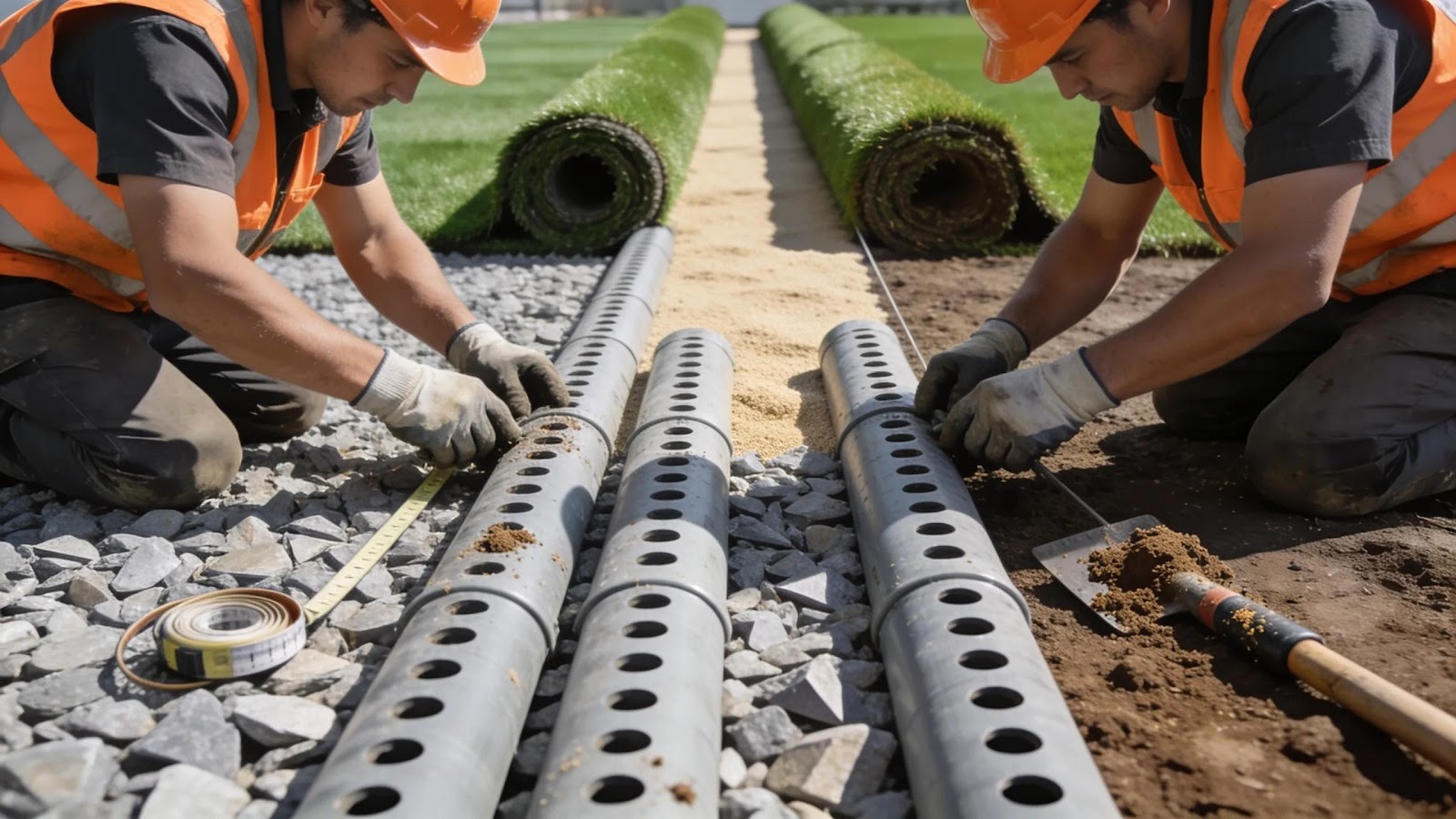
Effective drainage is paramount for the longevity of artificial turf and preventing odors.
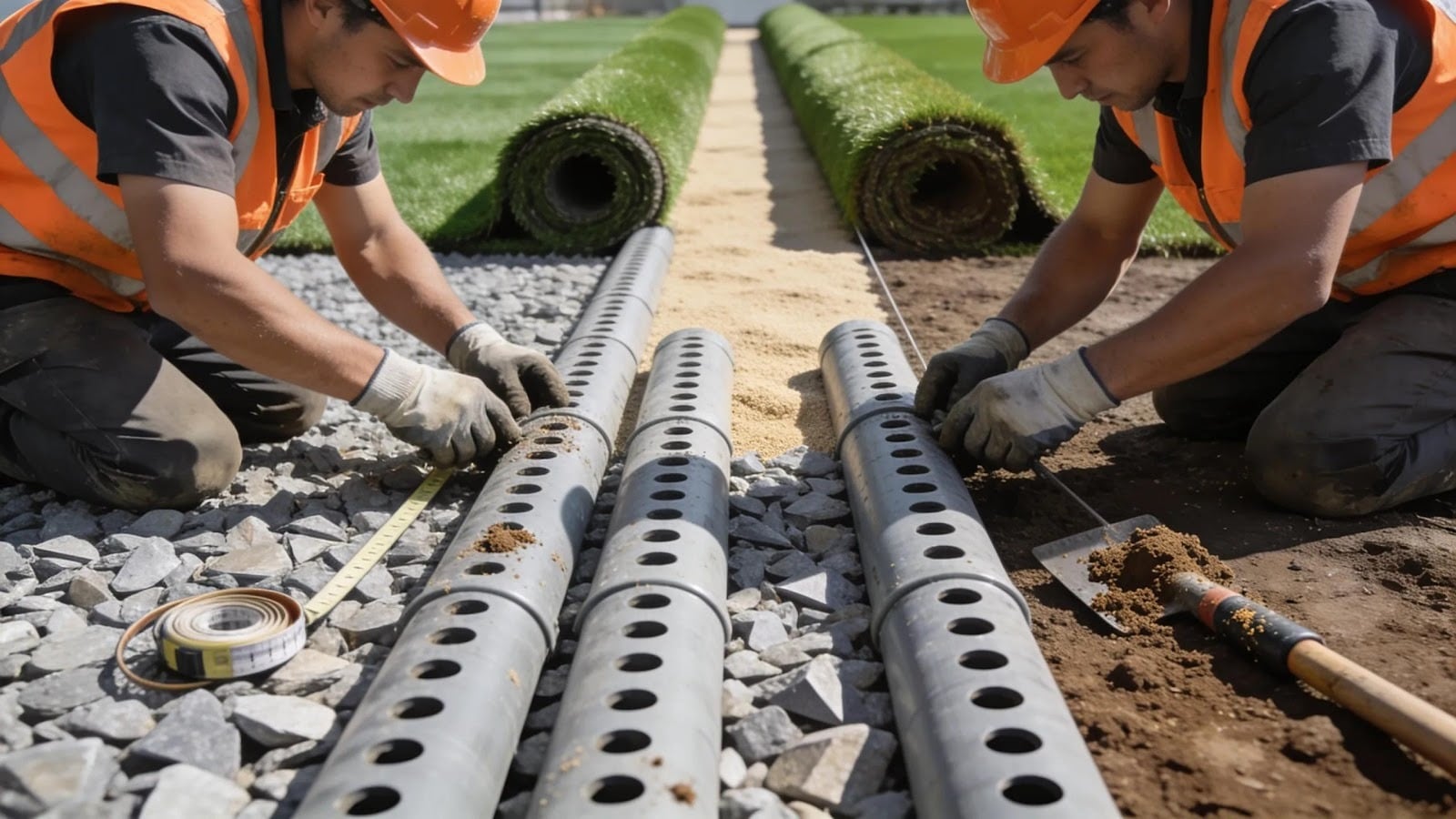
- French Drains: These systems use a gravel-filled trench with a perforated pipe to allow water to flow easily away from the turf.
- Perforated Pipes: These are installed below the turf, collecting excess water and directing it away, crucial in heavy rain conditions.
- Gravel Base: A properly installed gravel base beneath the turf can help facilitate drainage by allowing water to filter through.
Integrating one or more of these drainage components during installation—or adding them during renovations—significantly improves water management and reduces conditions that lead to odors.
When deciding which drainage approach to use, evaluate your site: slope, soil type, and surrounding drainage outlets influence what is most effective. A combined approach is often best: surface grading to prevent pooling and subsurface elements to move water away from the turf system.
What Turf Materials and Infill Types Reduce Odor Risks?
Material selection affects moisture retention and microbial growth. Antimicrobial infill and high-quality backing materials promote faster drainage and inhibit bacterial growth, lowering odor risk. Specify products designed for drainage and microbial resistance to achieve the best long-term results.
Other material considerations include fiber density and pile height. Denser turf with appropriate infill can trap more debris and require a tailored maintenance plan, whereas open-backed systems may facilitate faster drainage. Discuss material trade-offs with your installer to balance appearance, comfort, and maintenance needs.
What Are the Best Cleaning Methods to Remove Odor From Synthetic Grass After Rain?
To successfully eliminate odors after rain, combine routine maintenance with targeted treatments. Key actions include:
- Routine Maintenance: Regularly clearing debris and pet waste minimizes the potential for odor development.
- Use of Vinegar Solution: As mentioned earlier, a vinegar solution can help neutralize odors.
- Enzymatic Cleaners: Utilizing enzymatic cleaners can help break down organic matter and thoroughly remove odors.
When applied consistently, these methods remove odor sources and help restore a neutral scent to the turf without requiring a replacement installation.
For best results, combine these approaches on a schedule: perform daily or weekly surface clearing as needed, apply vinegar or enzymatic treatments for small problem areas, and schedule deep cleaning seasonally or after long wet periods. Documenting the condition of the turf across seasons helps refine the plan and focus interventions where they are most effective.
Which Eco-Friendly Cleaning Products Effectively Deodorize Artificial Turf?
Eco-friendly options such as biodegradable enzymatic cleaners provide effective odor control while minimizing environmental impact. A simple water-and-vinegar solution is another low-impact option for routine deodorizing. Always confirm a product is safe for synthetic fibers before use to avoid damage.
When choosing products, prefer those with clear usage instructions for synthetic grass and minimal additives. Avoid harsh solvents or bleach, which can harm fibers and backing over time and may alter the infill chemistry. Manufacturers and installers can often recommend compatible cleaners for specific turf systems.
How to Perform Regular Artificial Turf Maintenance to Prevent Odors?
Regular maintenance preserves turf appearance and prevents odors. Adopt a predictable schedule that addresses debris removal, periodic rinsing, and inspections for drainage or fiber issues.
- Weekly Debris Removal: Regularly clear leaves, pet waste, and other debris.
- Cleaning Schedule: Establish a monthly cleaning routine that includes rinsing with water and using cleaning solutions.
- Inspection: Regularly inspect the turf for signs of wear, degradation, or drainage issues to enable proactive maintenance.
Consistent execution of these tasks reduces odor risk and extends the functional life of your turf, lowering total lifecycle costs.
Seasonal checklist suggestions:
- Spring: Schedule a deep clean to remove winter debris and inspect infill distribution.
- Summer: Increase rinsing in hot, humid stretches and monitor pet areas more frequently.
- Fall: Remove fallen leaves before they accumulate and check gutters/downspouts for proper discharge.
- Winter (where applicable): Remove debris promptly after storms and address any drainage issues before freeze‑thaw cycles cause base damage.
How Does Synthetic Grass Drainage Design Impact Odor Prevention?
Drainage design determines how quickly water leaves the turf system. Systems that promote rapid water movement prevent prolonged dampness, reducing the opportunity for bacteria and mould to develop. Properly engineered drainage is a key design element for odor prevention and long-term turf performance.
Good drainage also reduces maintenance needs because waterborne debris and residues are less likely to remain embedded. Investing in a robust drainage design up front rarely increases long-term costs and usually reduces the frequency of deeper cleaning interventions.
What Types of Drainage Systems Are Recommended for Turf Odor Control?
Several drainage systems offer effective water management and odor control for artificial turf:
- Surface Drains: These allow excess water to flow away quickly and prevent pooling.
- Subsurface Drainage: This system relies on pipes buried beneath the turf to drain excess moisture away from the surface.
- Combined Systems: Employing both surface and subsurface solutions can enhance overall drainage effectiveness.
Selecting appropriate drainage during installation reduces maintenance needs and supports long-term odor control.
How Do Local Weather and Environmental Conditions Affect Drainage Performance?
Local climate and site conditions directly affect drainage performance. Heavy or concentrated rainfall can overwhelm undersized systems, while soil type, slope, and surrounding vegetation influence how quickly water moves away. Design and material choices should reflect local conditions to ensure reliable drainage and odor prevention.
Consider microclimates: areas under trees or next to buildings often have different drying characteristics than open lawn areas. Tailor maintenance and inspection frequency to these local variations to keep odor risk low.
What Are the Long-Term Benefits of Professional Artificial Turf Installation?
Professional installation delivers measurable long-term advantages: correct grading, suitable base materials, and properly sized drainage systems. These elements reduce the likelihood of odor issues, minimize maintenance needs, and extend the turf’s useful life, protecting your investment.
Installers familiar with local conditions can recommend materials and installation details that align with your site’s needs, helping avoid common problems that later require corrective work. A professionally installed system also simplifies warranty and service arrangements and provides documented maintenance guidance.
How Does Expert Installation Enhance Turf Durability and Odor Resistance?
Expert installers ensure components align to promote drainage and airflow, select appropriate infill and backing, and execute precise quality. That attention to detail improves durability and reduces conditions that produce odors, resulting in a more reliable, longer-lasting surface.
During installation, professionals also typically properly compact and grade base layers, install edging and perimeter drainage to prevent water ingress from adjacent areas—actions that reduce long-term moisture-related issues.
What Warranty and Service Options Support Odor-Free Turf Maintenance?
Many professional turf installations include warranty and service packages that cover material defects and recommend maintenance regimes. These warranties and service agreements provide guidance and support for ongoing cleaning and corrective measures, helping maintain odor-free conditions over time.
When choosing an installer, ask about recommended maintenance schedules, service visits, and options for ongoing support. A clear maintenance plan tied to the warranty helps ensure timely interventions that protect performance and appearance.
What Are Common Customer Questions About Artificial Turf Odor and Maintenance?
Customers frequently ask about cleaning frequency, whether odors can be resolved without replacement, and what steps to take if odors persist. Clear answers and preventive measures help owners maintain turf performance and avoid costly interventions.
- How often should I clean my turf? Regular cleaning is recommended at least once a week, with deep cleaning every few months.
- Can I remove odors without replacing my turf? Yes, utilizing proper cleaning methods can effectively eliminate odors without the need for replacement.
- What should I do if I notice persistent odors? Seek professional advice to determine the underlying issue, which might involve drainage concerns or improper installation.
Understanding these topics allows you to implement an effective maintenance plan and address issues before they escalate.
How Often Should Synthetic Grass Be Cleaned to Prevent Rain-Related Odors?
Perform routine surface cleaning weekly and schedule deeper cleaning every few months. Increase attention after heavy rains or during periods of high humidity to prevent organic buildup and bacterial growth.
Adjust frequencies according to use: high-traffic and pet areas typically need more frequent attention, while low-use decorative areas may be maintained on a more relaxed schedule. Keeping a simple log of cleaning dates and observations helps refine the interval for your specific site.
Can Odor Issues Be Resolved Without Replacing the Turf?
Yes. Most odor issues respond to thorough cleaning, drainage corrections, and targeted treatments such as enzymatic cleaners or deodorizing solutions. Replacement is typically a last resort after assessing installation or substrate problems.
When replacement is considered, it most often follows when the backing or base is contaminated or mechanically damaged beyond reasonable repair. A professional assessment can determine whether targeted repairs or a full replacement is necessary.
How Does Synthetic Grass DFW Address Odor Issues With Their Installation Services?
At Synthetic Grass DFW, we address odor risks from the outset by specifying appropriate drainage, durable materials, and installation techniques that discourage moisture retention. Our approach focuses on long-term performance so installations remain functional and odour‑resistant.
We also provide maintenance guidance tailored to each installation and can advise on suitable cleaning products and schedules that minimize odor risk while preserving warranties and material performance.
What Specialized Techniques Does Synthetic Grass DFW Use for Odor-Free Turf?
We use proven techniques—such as antimicrobial infills and engineered drainage layers—to limit bacterial growth and manage water effectively. These measures, combined with professional installation standards, support lasting odor control.
In addition to component selection, careful grading, edge restraint, and attention to infill distribution are part of our standard approach to reduce moisture retention and simplify ongoing maintenance.
How Can Customers Schedule a Free Quote and Installation Consultation?
To schedule a free quote and consultation, contact our team directly. We will assess site conditions, recommend solutions tailored to your needs, and outline expected outcomes. Reach us at leads@syntheticgrassdfw.com or call (972) 373-4196 to arrange an appointment.
During consultations, we typically discuss site history, visible drainage or odor concerns, and any pet or activity patterns that influence maintenance. This initial conversation helps focus the inspection and determines whether simple cleaning, targeted repairs, or a more comprehensive renovation is the most appropriate path.
Why Choose Synthetic Grass Over Natural Lawn for Maintenance and Odor Control?
Synthetic grass reduces the risks that cause odors in natural lawns: less standing water, no regular watering, and no need for pesticides or fertilizers. These factors lower maintenance demands and help maintain a neutral-smelling landscape with fewer inputs.
By eliminating regular irrigation and chemical treatments, synthetic turf reduces recurring odor sources associated with wet soil, fertilizer breakdown, and overgrown thatch. Proper installation and routine maintenance preserve these advantages over time.
What Are the Long-Term Cost and Upkeep Benefits of Artificial Turf?
While initial costs may be higher, artificial turf typically lowers lifetime expenses through reduced watering, mowing, and chemical treatments. Its durability and lower replacement frequency produce meaningful savings over time.
Reduced recurring maintenance tasks—lawn mowing, irrigation management, and fertilizer application—translate to predictable upkeep and lower long-term labor and resource costs, making synthetic turf an attractive option for many homeowners and facility managers.
How Does Synthetic Turf Support Sustainable and Odor-Resistant Landscaping?
Synthetic turf supports sustainability by conserving water and eliminating the routine use of pesticides and fertilizers. When installed with proper drainage and appropriate materials, it also provides an odour‑resistant surface that requires less intervention to remain attractive.
Pairing synthetic turf with responsible site design—such as adequate drainage, native plant buffers, and runoff management—maximizes environmental benefits while keeping odor and maintenance demands low.
Frequently Asked Questions
What preventive measures can I take to avoid odors in artificial turf?
Maintain a weekly routine for debris and pet waste removal, ensure proper drainage at the time of installation, and consider antimicrobial infill where suitable. Adjust your maintenance after heavy rain and monitor turf condition to prevent odor sources from establishing.
How can I determine if my artificial turf drainage system is working effectively?
Check for standing water or slow surface runoff after rain. Look for persistently damp areas and inspect surrounding grading and base materials. If water pools or drains slowly, the system may require cleaning, repair, or redesign.
Are there any eco-friendly options for cleaning artificial turf?
Yes. Biodegradable enzymatic cleaners and a diluted vinegar solution are effective, low-impact options. Verify products are rated safe for synthetic fibers before use to protect turf performance.
What should I do if I notice persistent odors despite following maintenance tips?
Persistent odors often indicate underlying issues such as drainage failure or installation defects. Engage a professional to assess the site, diagnose the cause, and recommend corrective measures like deep cleaning, drainage repair, or targeted material replacement.
Can weather conditions affect the odor levels in my artificial turf?
Yes. High humidity and prolonged rainfall increase the risk of bacterial and fungal growth, thereby increasing the potential for odor. In wetter climates, more frequent maintenance and robust drainage design are necessary to manage these conditions.
How can I enhance the lifespan of my artificial turf and reduce odor risk?
Combine correct installation with a routine maintenance plan: weekly debris removal, seasonal deep cleaning, and prompt repair of any drainage or fiber damage. These steps protect the turf’s appearance, performance, and odor control throughout its lifespan.
Conclusion
Effective upkeep and correct installation are the most reliable ways to prevent and resolve post‑rain odors in artificial turf. Implement routine cleaning, address drainage issues promptly, and use appropriate cleaning products to maintain a fresh, durable surface. For professional installation and maintenance that prioritizes long‑term performance and odor control, contact our team to discuss your project.
With a regular maintenance routine, targeted treatments, and attention to drainage and installation quality, most odor issues can be prevented or corrected without major intervention. Proactive care ensures your synthetic turf remains an attractive, functional, and low‑odour landscape solution for years to come.


